






1. Master Your Wardrobe Defence
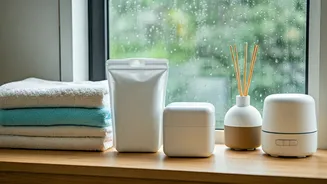
The biggest casualty of monsoon humidity is often our clothes and footwear. Musty odours, fungus, and dampness can ruin expensive outfits and cherished leather goods. First, create space. Do not overstuff your cupboards, as this restricts air circulation
and traps moisture. Place silica gel packets or commercially available moisture absorbers in corners. For a natural alternative, hang small cloth bags filled with dried neem leaves, cloves, or camphor. They act as both moisture absorbers and insect repellents. For leather shoes and bags, wipe them down with a dry cloth after every use and store them in breathable dust bags, not plastic.
2. Create a Fortress for Your Food
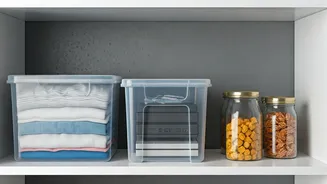
The kitchen is another battleground. High humidity can make crisp biscuits soggy, turn sugar into clumps, and encourage pests in grains and flours. Your best weapon here is airtight containers. Invest in good quality glass or steel jars with tight-fitting lids. Transfer everything from spices and lentils to snacks and breakfast cereals out of their original cardboard or plastic packaging. For extra protection with items like salt and sugar, drop a few grains of uncooked rice into the container; it's a classic trick to absorb excess moisture. Regularly check your pantry for any signs of spoilage or infestation.
3. Shield Your Electronics and Gadgets
Moisture is the mortal enemy of electronics. Condensation can cause short circuits and irreversible damage to laptops, cameras, phones, and televisions. Avoid placing expensive gadgets near windows or on walls that are prone to dampness. When not in use, store smaller devices like cameras and headphones in a dry box or a container with several silica gel packets. If a device gets exposed to rain, turn it off immediately, remove the battery if possible, and place it in a bowl of uncooked rice or with silica packets for at least 24-48 hours before attempting to switch it on again. This simple patience can save you a costly repair.
4. Protect Precious Documents and Books
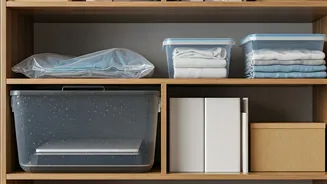
Paper and humidity are a terrible combination, leading to warped pages, mould, and faded ink. Important documents like passports, property papers, and certificates should be stored in waterproof, zip-lock plastic folders before being filed away. For your bookshelf, ensure it’s not placed against an external wall that gets a lot of rain. You can place a few camphor balls or naphthalene balls at the back of the shelves to deter silverfish and absorb some moisture. If you notice pages starting to feel damp, you can air them out with a fan on a dry day, but prevention is always the best strategy.
5. Embrace the Power of Airflow
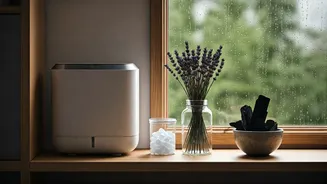
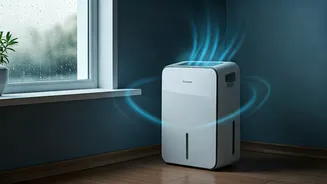
The simplest and most effective trick is often overlooked: ventilation. Trapped, stagnant air is where moisture problems begin. On dry, sunny days—even if they are rare during the monsoon—open all your windows and doors for at least an hour to allow air to circulate freely. This helps to dry out the home naturally. On humid days, using a dehumidifier can be a game-changer, especially in enclosed spaces like bedrooms or walk-in closets. It pulls excess moisture from the air, making the environment less hospitable for mould and mildew, and leaves the air feeling fresher and more comfortable.