

What Are AI Beauty Tools?
At its core, an AI beauty tool uses artificial intelligence and augmented reality (AR) to provide a personalized shopping experience. Think of it as a smart mirror on your phone. These tools go far beyond simple social media filters. Using your device's
camera, they perform a sophisticated analysis of your face, detecting everything from skin tone and undertone to the exact position of your eyes and lips. The two main applications revolutionizing makeup shopping are virtual try-ons and AI-powered shade matching. Major beauty retailers like Sephora and brands like L'Oréal have invested heavily in this technology to bridge the gap between online browsing and in-store confidence.
The Magic of Virtual Try-Ons
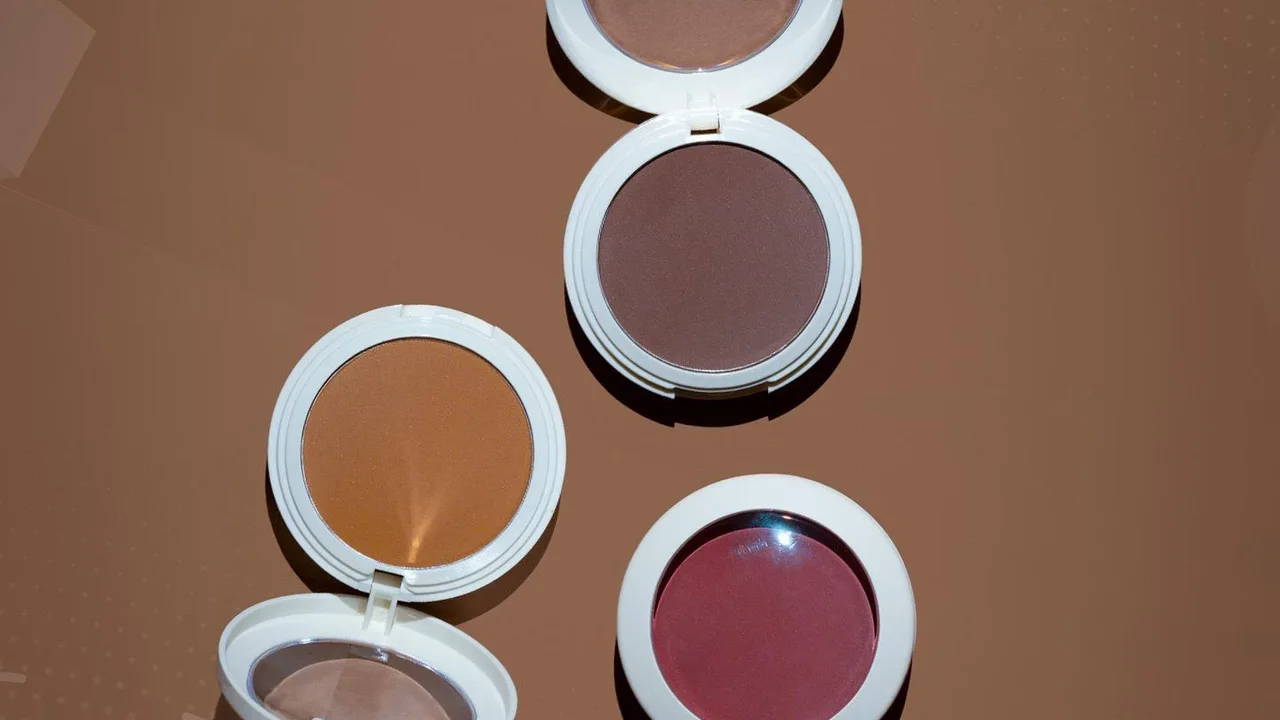
One of the most popular uses of this technology is the virtual try-on. Apps from companies like Sephora use advanced facial recognition to let you test thousands of products—from lipsticks to eyeshadows and even false eyelashes—in real time. The technology maps your facial features with remarkable precision, so when you move your head, the virtual lipstick moves perfectly with your lips. This allows you to experiment with bold new looks or compare different shades side-by-side from the comfort of your home, removing the hygiene concerns of using communal testers in stores. Some tools even offer virtual tutorials, showing you exactly where to apply contour or eyeliner for your specific face shape.
Finally, Your Perfect Foundation Match
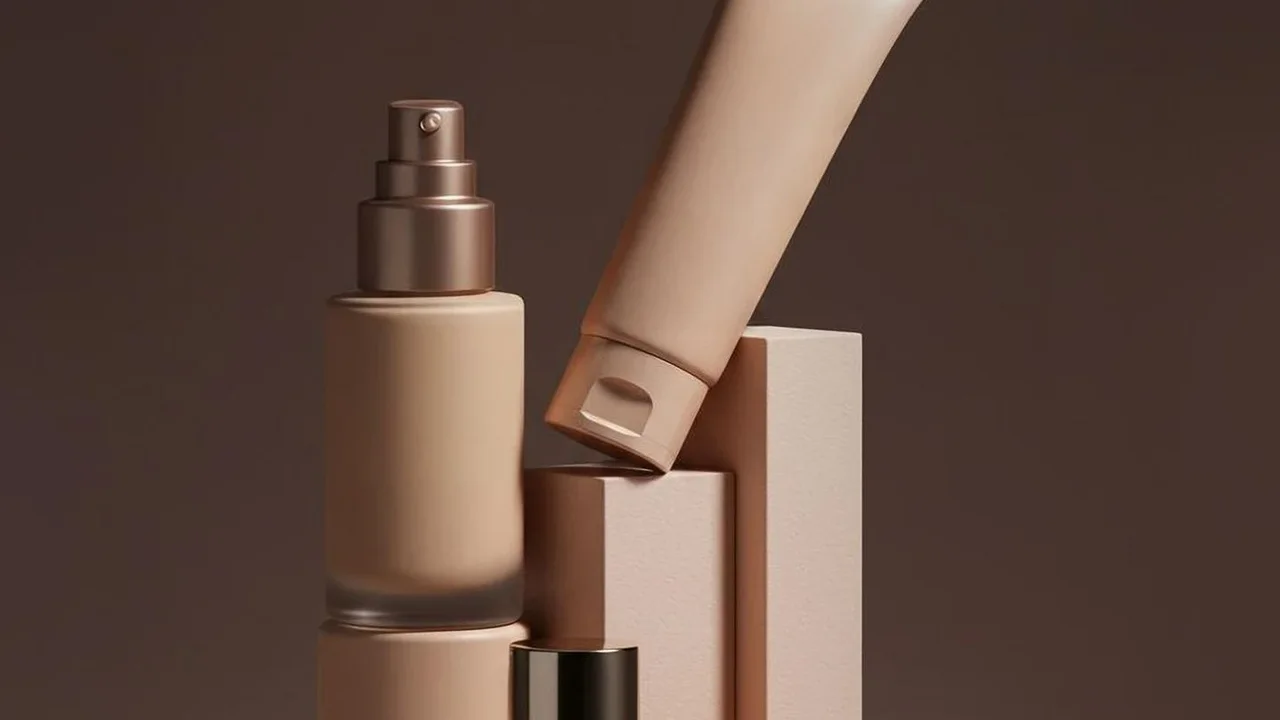
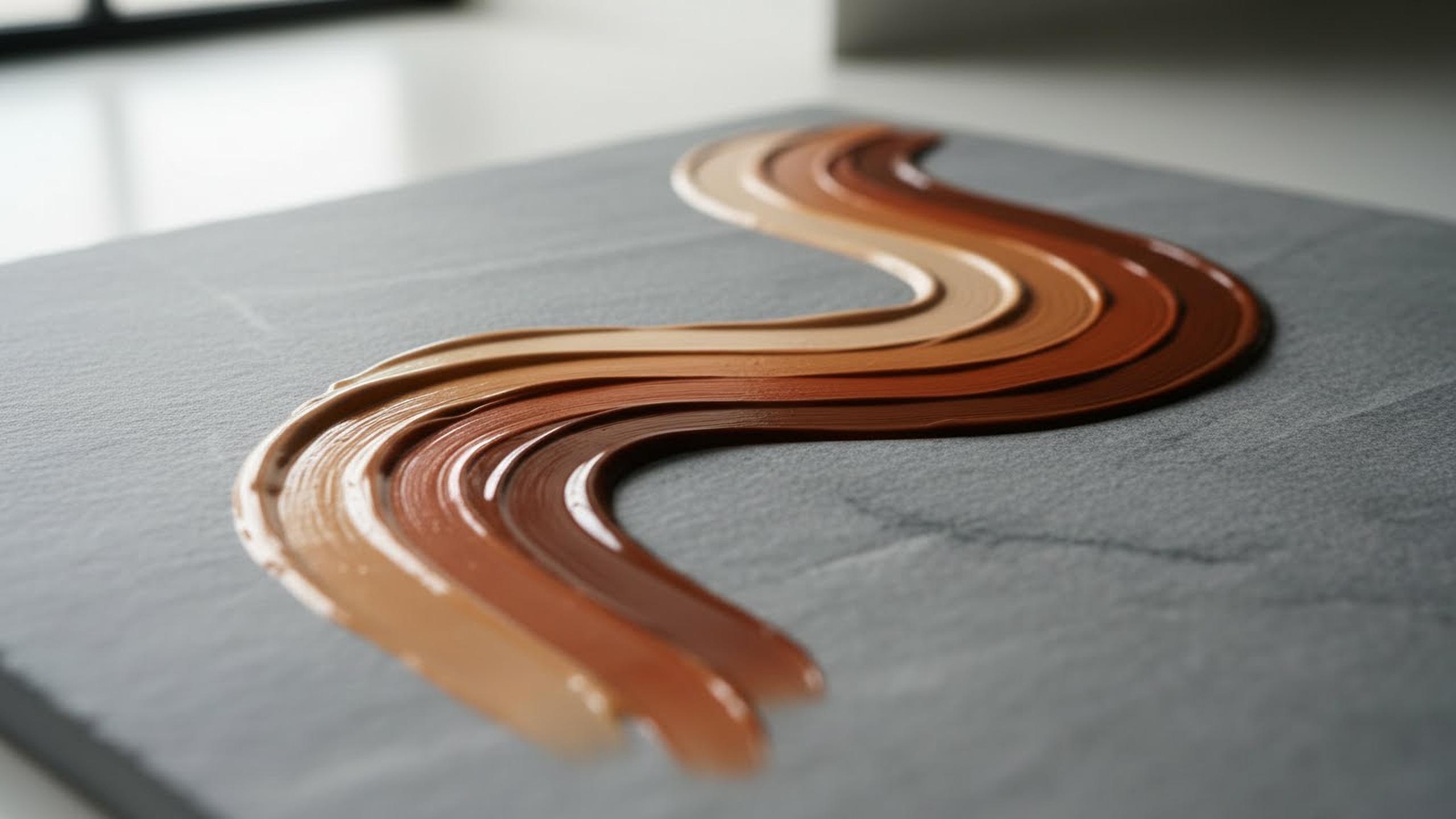
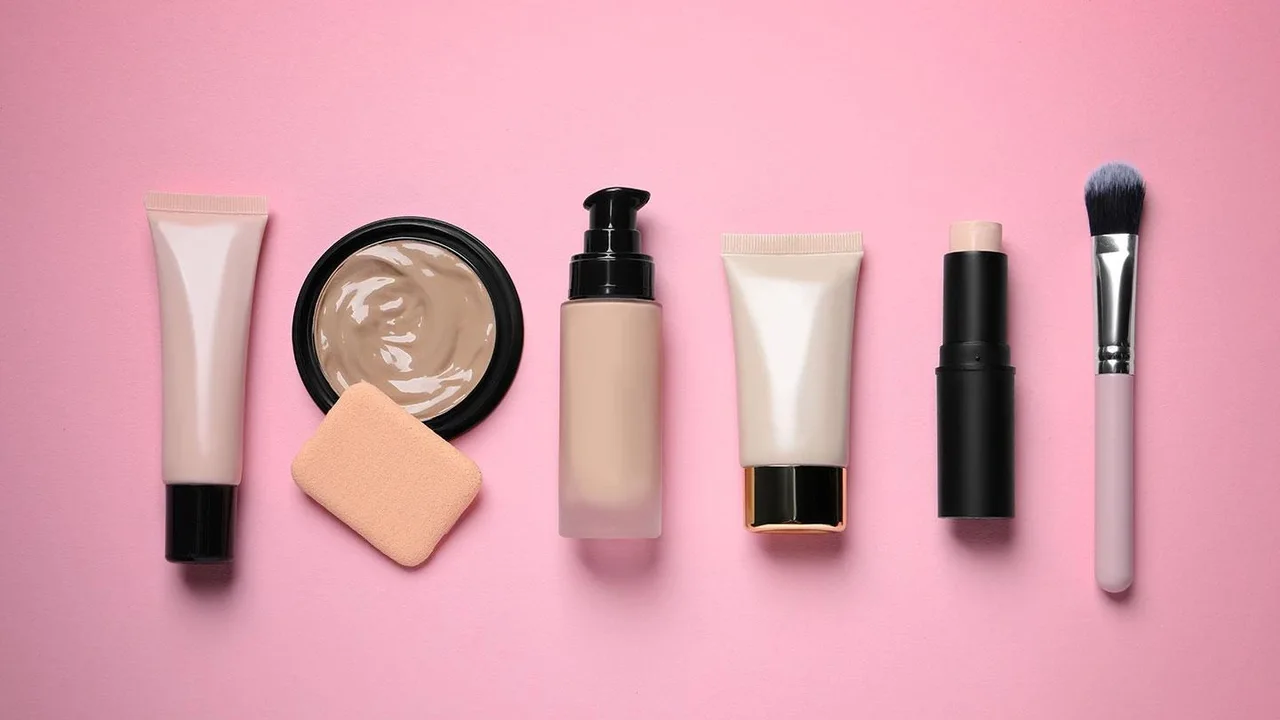
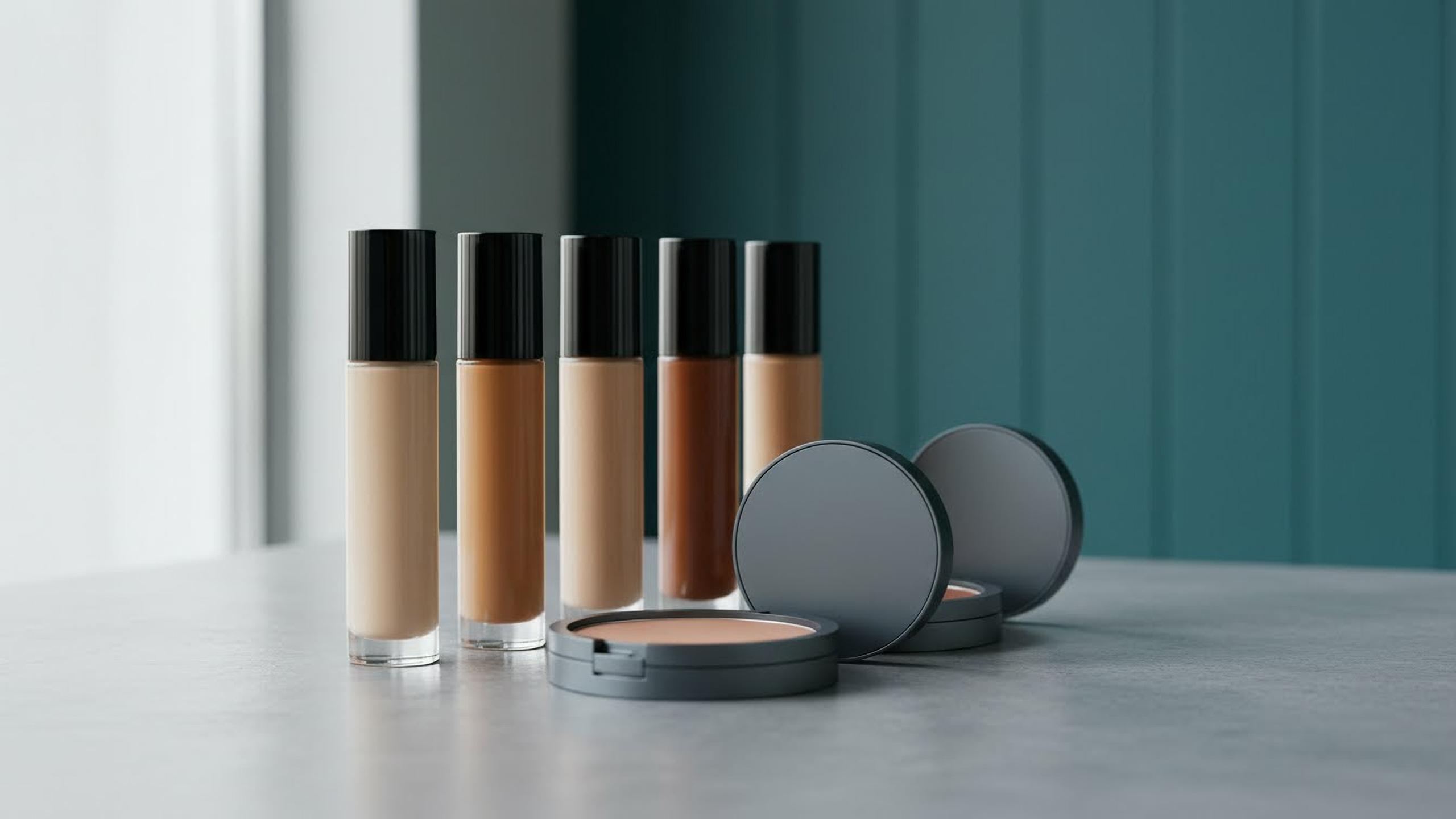
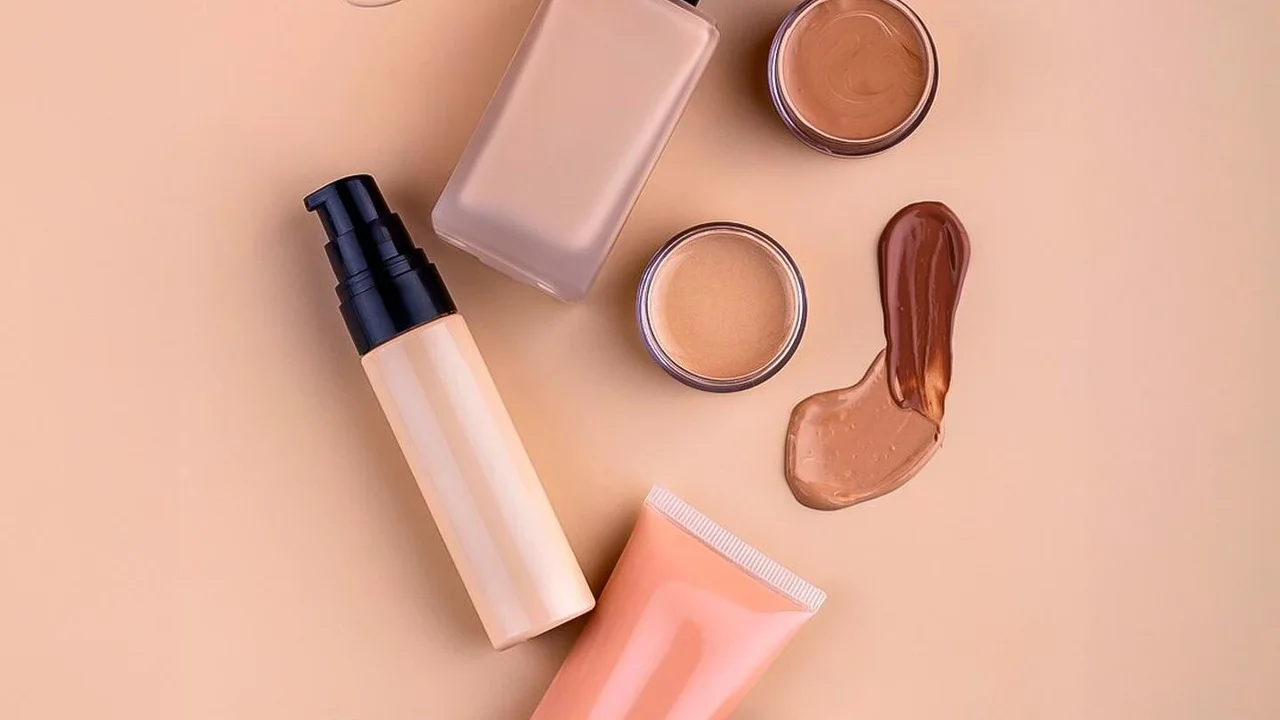
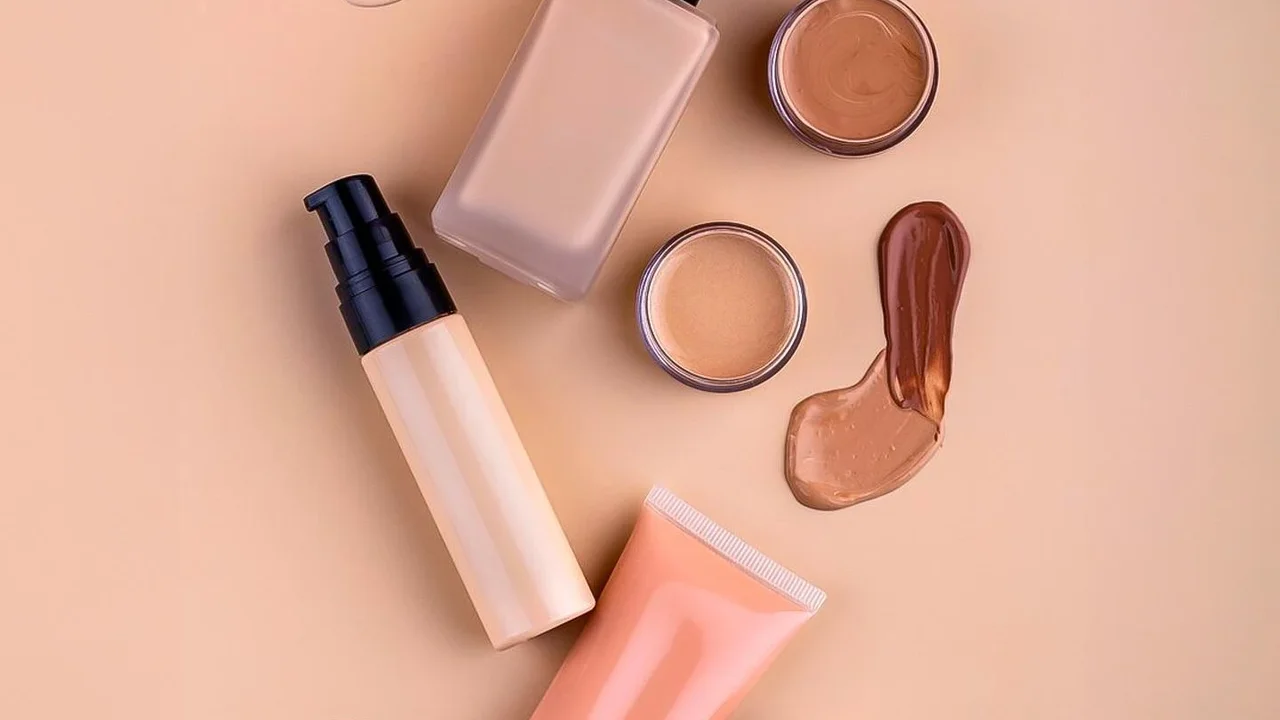
Finding the right shade of foundation or concealer is arguably one of the biggest challenges in makeup shopping. AI shade-finder tools are designed to solve this exact problem. By taking a selfie in good lighting, the AI analyzes your skin across multiple points on your face. It identifies not just your overall skin tone but also your subtle undertones (like golden, neutral, or rosy), which are crucial for a perfect match. The system then cross-references this data with a massive database of products to recommend the best shades for you, often with a level of accuracy the human eye can't achieve. This process removes the bias and guesswork from trying to match shades based on online swatches.
Personalized Skincare Routines
The technology isn't just for makeup. AI is also making waves in personalized skincare. By analyzing a photo of your skin, these tools can detect concerns like fine lines, dark spots, pores, and texture. Based on this detailed analysis, the AI can then recommend specific ingredients and products tailored to your unique skin needs. Some advanced platforms can even track your skin's progress over time, adjusting recommendations as your skin changes. This data-driven approach helps you build a more effective routine, saving you from the trial-and-error of buying products based on trends or generic advice.
Things to Keep in Mind
While impressive, AI beauty tools aren't flawless. The accuracy of the analysis can be heavily influenced by the lighting conditions when you take your photo. Bright, natural light is always best. Furthermore, the quality of the technology can vary between brands. Stick to tools from major, reputable companies that have invested in training their AI on diverse datasets representing a wide spectrum of skin tones to ensure inclusive and accurate results. It's also important to remember that these tools are best used as a guide. They support your choices and boost your confidence but don't replace your personal preferences or the advice of a dermatologist for serious skin concerns.