


The 6 PM question, 'What's for dinner?', can feel like the final challenge after a long workday. Batch cooking has emerged as a popular solution, but for it to truly work for couples, there's a crucial, often-overlooked ingredient: meal planning.
The Promise of Batch Cooking
At its
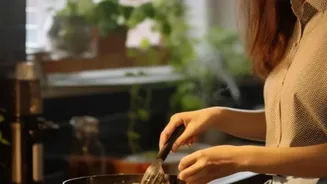
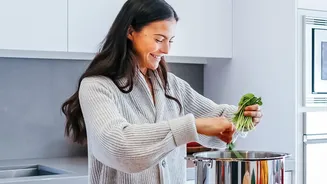
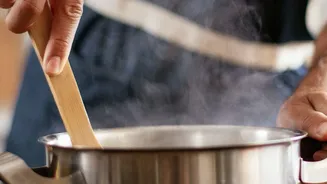
core, batch cooking is a simple concept: dedicate a block of time, typically on a weekend, to prepare large quantities of food at once. This strategy promises to reclaim your weeknights from the chaos of cooking from scratch. The benefits are compelling for any busy household: it saves significant time during the week, reduces stress by eliminating daily meal decisions, and can cut down on grocery bills and food waste. Instead of staring into a sparsely populated fridge, you have ready-to-heat, wholesome meals waiting for you. It transforms mealtime from a daily chore into a simple act of assembly or reheating.
Why Planning Is The Real Secret
While cooking in bulk sounds great, doing it without a solid plan can lead to new problems, especially in a small household of two. The risk of 'leftover fatigue'—getting tired of eating the same meal for days on end—is high. This is where strategic meal planning becomes essential. It's the difference between a freezer full of exciting options and a monotonous menu. Planning allows you to map out variety, ensuring you use what you cook without it becoming boring. It also prevents over-cooking and food waste, a common issue when recipes designed for families are simply cooked in bulk for two. A good plan ensures every ingredient purchased has a purpose.
A Simple Starter Plan For Two
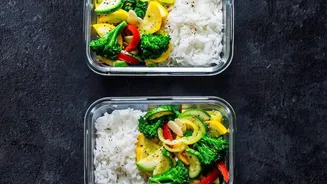
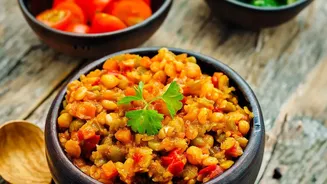
Getting started doesn't have to be overwhelming. Begin by choosing just two or three main dishes you both enjoy that store and reheat well, like a chili, a curry, or a pasta sauce. Take inventory of what you already have in your pantry and fridge. From there, build a precise shopping list to avoid impulse buys. Set aside a two-to-three-hour window on a Sunday to cook. Put on a podcast or some music and get into a rhythm. Once cooked, portion the meals into airtight containers. Crucially, label everything with the name of the dish and the date. This simple system prevents guesswork and ensures you eat things while they're at their best.
Cook Components, Not Just Meals
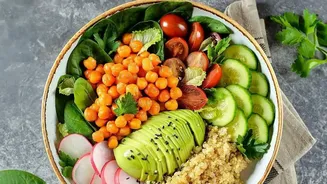
One of the most effective strategies for couples is to batch cook versatile components rather than entire, finished meals. This 'buffet-style' prep offers maximum flexibility and fights off food boredom. For example, on your prep day, you could grill a batch of chicken, roast a tray of mixed vegetables, and cook a large pot of quinoa or rice. During the week, these components can be assembled in different ways: one night they become grain bowls, the next they are fillings for wraps, and the day after they can be added to a fresh salad. This approach allows for customization based on what each person feels like eating, without requiring a new cooking session each night.
Smart Storage and Beating Waste
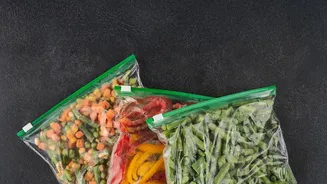
For a two person household, the freezer is your best friend. Since you might not get through a large batch of stew or soup in just a few days, freezing half is a brilliant strategy. This builds a library of future meals for busy nights when you have no time to cook at all. Invest in good quality, airtight containers, preferably clear ones so you can see what's inside. To manage leftovers effectively, adopt a 'first in, first out' rule, organizing your fridge so older items are at the front. This simple habit ensures that the effort you put into your weekend cooking session pays dividends all week long, without anything going to waste.