






The Post-Monsoon Transition
October in Mumbai marks a dramatic shift in weather. The Southwest Monsoon, which brings months of rain, officially withdraws, and this process itself sets the stage for the heat. This year, the monsoon retreated from Mumbai around October 3, which was
earlier than usual. As the monsoon system pulls back, cloud cover significantly decreases, allowing for more direct and intense sunlight to reach the ground. This transition period, before cooler winter patterns set in, is notorious for a sharp spike in temperatures. On October 12, 2026, temperatures in the city soared to 38.2°C, which was 5.1°C above normal and the second-hottest October day since 2015.
The Real Culprit: Lingering Humidity
While rising temperatures are a key part of the equation, the defining characteristic of October heat is the extreme humidity. The land and air are still saturated with moisture from the monsoon season. When intense sunshine heats this moist environment, it creates a stifling combination. This is why the 'real feel' temperature is often much higher than what the thermometer shows. High humidity fundamentally sabotages the body's natural cooling mechanism: sweating. For sweat to cool you down, it needs to evaporate from your skin. But when the air is already full of water vapour, this evaporation process slows down dramatically, trapping heat against your body and making you feel hotter and more uncomfortable.
A Battle of Winds
Wind patterns play a crucial role in this phenomenon. During the monsoon, strong westerly winds from the Arabian Sea are dominant. As the monsoon retreats, these weaken and are often replaced by warmer, drier easterly or northeasterly winds blowing from the land. This change has a critical side effect: it delays or weakens Mumbai's reliable sea breeze. The sea breeze is a natural air conditioner for the coastal city, bringing cooler air from the sea during the afternoon. Recent hot spells have been linked to an anti-cyclonic circulation over the region, a high-pressure system that suppresses the formation of clouds and hinders the sea breeze, allowing heat to build up along the coast without relief.
An Urban Aggravation
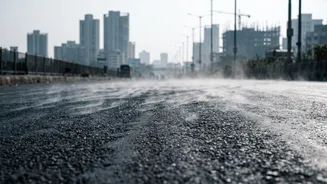
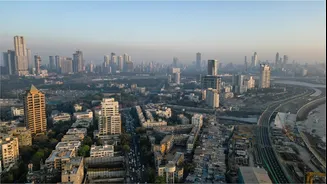
Local, man-made factors also intensify the October heat. Mumbai's dense urban landscape creates what is known as the Urban Heat Island (UHI) effect. Concrete, asphalt, and glass absorb and retain more solar radiation than natural surfaces like soil and vegetation. This stored heat is then released back into the atmosphere, especially at night, preventing the city from cooling down effectively. The continuous loss of green cover and water bodies for construction further exacerbates this problem, reducing the city's natural cooling capacity. This means the baseline temperature from which the October heat begins is already artificially elevated.
What Does This Mean for Residents?
The combination of high heat and high humidity is not just uncomfortable; it's a health risk. The India Meteorological Department (IMD) often issues 'yellow alerts' for hot and humid conditions during this period, warning of increased discomfort. These conditions can lead to dehydration, heat exhaustion, and, in severe cases, heatstroke. The high moisture content in the air forces the body to work harder to cool itself, putting significant physiological strain on the cardiovascular system and kidneys. Health experts advise residents to stay hydrated, avoid strenuous outdoor activity during peak afternoon hours, and wear light, breathable clothing to mitigate the risks associated with this uniquely challenging time of year.