





Understanding the Unseen Risks
Driving in heavy rain isn't just about dealing with reduced visibility. The first rains are often the most dangerous, mixing with oil and debris on the road to create an unexpectedly slick surface. The biggest threat, however, is hydroplaning. This happens
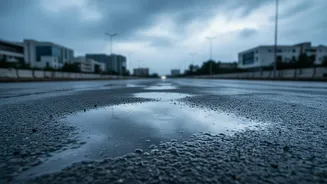
when a layer of water builds up between your tyres and the road, causing a complete loss of traction and control. It can occur at speeds as low as 55 km/h, making your car feel like it's floating. Puddles might seem harmless, but you never know their true depth or what hazards—like deep potholes or debris—are hidden beneath the surface.
Your Monsoon Pre-Trip Checklist
Before you even think about starting the engine, a thorough vehicle check is non-negotiable. Your tyres are your first line of defence; ensure they have adequate tread depth (at least 3mm is recommended) and are properly inflated to effectively channel water away. Check your brakes, as wet conditions can significantly increase stopping distances. Worn-out wiper blades will only smear water across the windshield, so replace them if they're not clearing the glass effectively. Finally, walk around the car and test all your lights—headlights, taillights, brake lights, and indicators. In low visibility, being seen is as important as seeing.
Reading the Signs: When to Postpone
The smartest decision is often to not travel at all. Keep a close eye on weather forecasts from the India Meteorological Department (IMD), which issues timely warnings for heavy and extremely heavy rainfall. If a red or orange alert has been issued for your route, it's a strong signal to reconsider your plans. Don't rely solely on forecasts; assess the local situation. If rain is intense and visibility is severely limited, or if local authorities have issued advisories against travel, the safest option is to wait until the storm passes. No destination is worth risking your safety.
The Golden Rule: Never Challenge Floodwaters
It is never safe to drive through flooded roads. It can be difficult to judge the depth and speed of the water, and what looks manageable can be deceptive. As little as six inches of water can reach the bottom of most passenger cars, causing a loss of control or stalling the engine. Just one foot of water is enough to float many vehicles, and two feet of rushing water can sweep away even larger SUVs and pickups. Furthermore, if your car stalls in water, do not try to restart it. This can draw water into the engine, causing catastrophic and expensive damage known as hydrostatic lock. The universal advice from safety experts is simple: Turn Around, Don't Drown.
If Travel is Unavoidable
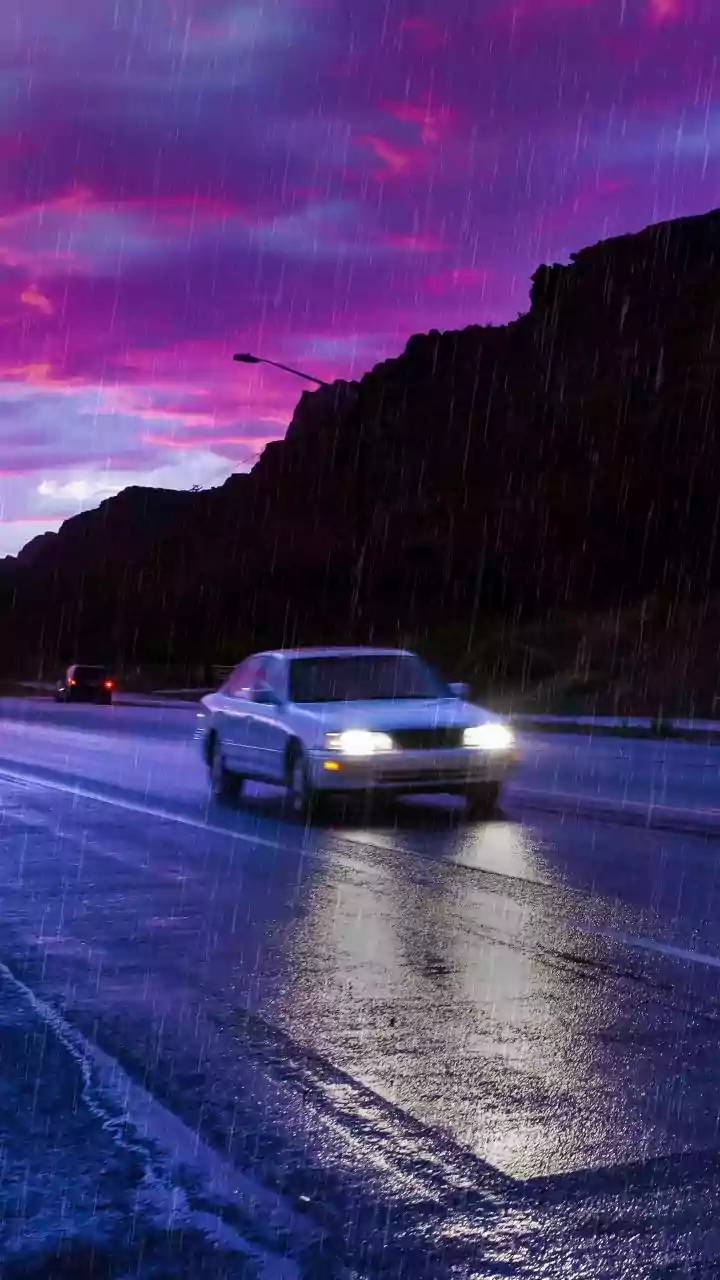
If you absolutely must drive, adopt a defensive and cautious mindset. Reduce your speed significantly to give yourself more time to react and to lower the risk of hydroplaning. Double your following distance from the vehicle in front of you; the usual two-second rule should become a four or five-second rule on wet roads. Keep your headlights on a low beam to improve your visibility to others without blinding oncoming traffic with the reflection from raindrops. Avoid sudden braking, sharp turns, or aggressive acceleration, as these can easily cause a skid on slick surfaces. If visibility becomes too poor to continue safely, pull completely off the road, turn on your hazard lights, and wait for conditions to improve.