
The Viral Sensation Explained
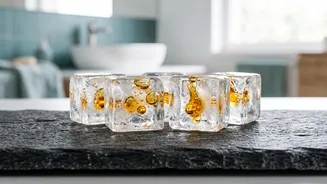
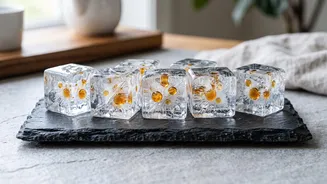
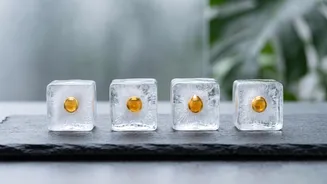
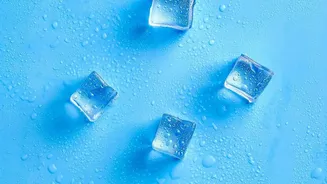
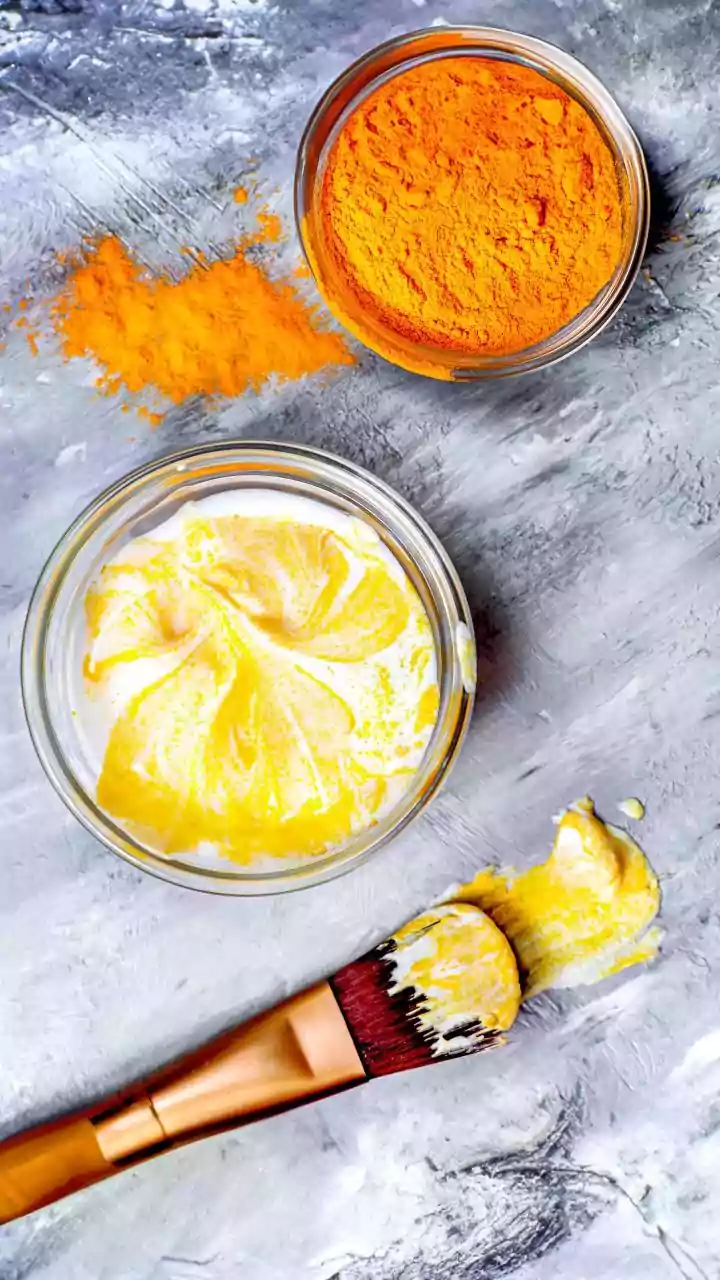
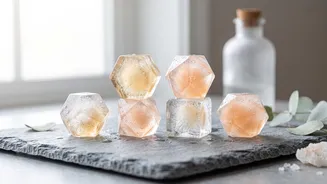
The trend involves blending ingredients like carrots, potatoes, and aloe vera, freezing the mixture in an ice cube tray, and then rubbing the frozen cube on the face. The appeal is obvious: it’s natural, inexpensive, and positioned as a gentle alternative
to commercially available retinol, a powerhouse skincare ingredient known for tackling everything from wrinkles to acne. Videos showcase a simple recipe that feels wholesome and accessible, leading many to believe they’ve discovered a secret to flawless skin hiding in their vegetable drawer.
The 'Retinol' That Isn't Retinol
Here's the crucial distinction: these DIY recipes do not contain retinol. Retinol is a specific, pre-formed version of vitamin A. The key ingredient in these viral recipes is usually carrots, which are rich in beta-carotene. Beta-carotene is a provitamin A carotenoid, meaning our bodies can convert it into vitamin A. However, beta-carotene and retinol are not the same thing, and they don't behave identically, especially when applied to the skin. True retinol is biologically active and ready for your skin to use. Beta-carotene, on the other hand, needs to go through a conversion process first.
The Science: A Conversion Problem
When you eat carrots, your body converts some of the beta-carotene into vitamin A (retinol). But this process is not perfectly efficient. When you apply it topically in a raw, homemade paste, the conversion within the skin is even less effective. While some studies suggest topically applied beta-carotene can increase vitamin A stores in the skin over time, it's far from the direct, potent effect of a formulated retinol product. Skincare products containing retinol are specifically designed to be stable and penetrate the skin effectively to deliver results. A DIY carrot purée simply cannot replicate this sophisticated delivery system.
What Real Retinol Actually Does
There's a reason dermatologists recommend retinol: decades of scientific evidence prove its effectiveness. True retinoids work by binding to receptors in our skin cells, prompting them to behave like younger, healthier cells. This process accelerates cell turnover, which helps unclog pores and smooth the skin's surface. It also stimulates the production of collagen, the protein that gives skin its firmness and elasticity, thereby reducing the appearance of fine lines and wrinkles. These are powerful, clinically-backed actions that the beta-carotene in a frozen carrot cube cannot deliver.
So, Are The Ice Cubes Useless?
Not entirely, but their benefits have been mislabeled. The ingredients in these viral recipes do have some merit. Carrots are packed with antioxidants, which can help protect the skin from environmental damage. Applying a cold cube of any kind to your face can be soothing, temporarily reducing puffiness and redness through vasoconstriction (the narrowing of blood vessels). Aloe vera is known for its hydrating and anti-inflammatory properties. So, while these ice cubes can offer a temporary glow, hydration, and a calming sensation, they are not providing the long term structural skin changes associated with retinol.
The Risks of DIY Concoctions
While this trend seems harmless, DIY skincare isn't without risks. Using unpreserved, fresh ingredients can introduce bacteria to your skin, potentially leading to breakouts or infections. Some ingredients, like citrus juices that occasionally appear in these recipes, can make your skin highly sensitive to the sun, increasing the risk of burns. Furthermore, anyone with sensitive skin or allergies could experience irritation from applying raw food products directly to their face. A patch test is always a wise first step.