




The Renaissance of Traditional Foods
There's a palpable shift in our kitchens. After decades of looking to the West for wellness trends, many are turning homeward, rediscovering the profound wisdom in India's durable food traditions. This is more than just nostalgia; it's a movement fuelled
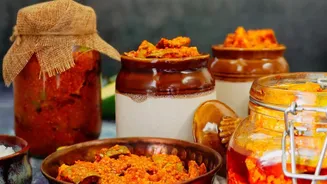
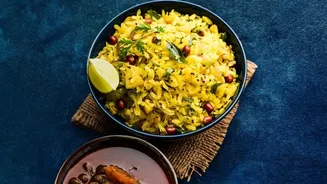
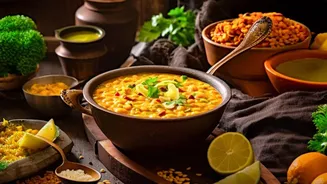
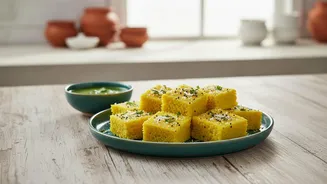
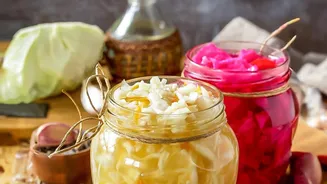
by a desire for authenticity, health, and sustainable eating. Ancient staples, once seen as humble, are now celebrated as superfoods. At the core of this culinary renaissance is the age-old process of fermentation. For centuries, dishes like idli, dosa, dhokla, and countless regional pickles and drinks have been staples of the Indian diet. Today, modern science is beginning to confirm what our grandmothers always knew: these fermented foods are powerhouses of nutrition, packed with probiotics that are essential for gut health. This renewed attention isn't just about taste; it's about connecting with a heritage that intrinsically links food with well-being.
The Microbial Magic in Your Kitchen
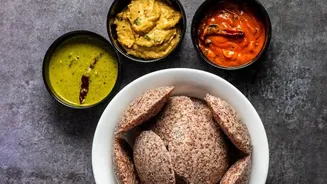
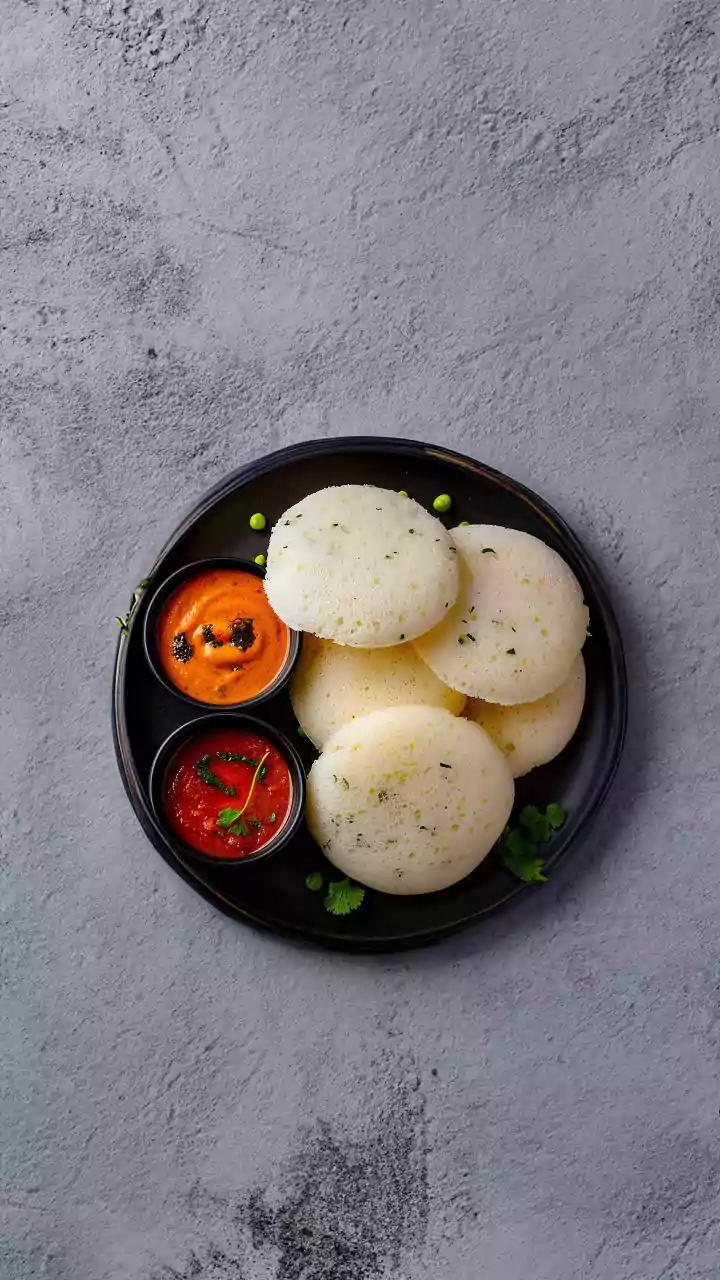
Fermentation is a transformative process where beneficial microorganisms like bacteria and yeast break down sugars and starches in food. This process does several wonderful things. Firstly, it pre-digests the food, making nutrients more bioavailable and easier for our bodies to absorb. This is why the fluffy, fermented batter of an idli is gentler on the stomach than a simple rice cake. Secondly, it creates a wealth of probiotics—live beneficial bacteria that support a healthy gut microbiome, which is linked to everything from better digestion and immunity to improved mental health. India's diverse culinary landscape offers an incredible array of these probiotic-rich foods, from the ubiquitous dahi (yogurt) and chaas (buttermilk) to regional specialities like kanji, a tangy carrot drink from the North, and gundruk, fermented leafy greens from the Northeast.
Why Checking Fermentation Is Crucial
While fermentation is a natural preservation method, it is a live process that needs supervision. It's a controlled dance of microbes, and sometimes uninvited guests can crash the party. The very conditions that encourage good bacteria can, if not managed correctly, also allow harmful pathogens or molds to grow. Factors like temperature, hygiene of your equipment, and the right salt concentration are all crucial for a successful and safe ferment. An uncontrolled fermentation can lead to spoilage, creating off-flavours, unpleasant textures, and in the worst cases, foodborne illness. The goal is to create an acidic environment where beneficial lactic acid bacteria thrive, which in turn inhibits the growth of dangerous microbes. Therefore, "checking" your ferment is not about being paranoid; it's about being an engaged and responsible participant in this ancient craft.
A Sensory Guide to Safe Fermenting
So, how do you check your ferment? Trust your senses. They are your best guide to determining if the process is going well. Sight: Look for positive signs like bubbling, which indicates active fermentation. A cloudy brine is also often normal. The red flags to watch for are fuzzy, colourful molds (green, black, blue, or pink). If you see this, the entire batch must be discarded. Don't confuse it with kahm yeast, a harmless, thin white film that can be skimmed off. Smell: A healthy ferment should smell pleasantly sour, tangy, or yeasty. If it smells putrid, like garbage, or has a foul, rotten odour, something has gone wrong. Your nose knows the difference between a good funk and a bad one. Texture: The food should retain a degree of its original firmness. If vegetables become unusually slimy or mushy in a way they shouldn't, it could be a sign of contamination. Taste: This is the final check. If everything looks and smells right, a small taste should confirm a clean, appropriately sour flavour. If it tastes “off” or unpleasant in any way, err on the side of caution and discard it. Proper hygiene is also paramount: always start with spotlessly clean jars and utensils to give the good bacteria a head start.