








The Congestion Problem
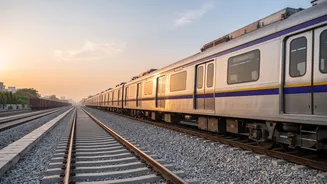
Mumbai's suburban railway, often called the city's lifeline, is one of the busiest in the world. But it doesn't just carry people. The same tracks are also used by long-distance passenger trains and, crucially, slow-moving goods trains. This mixed traffic
is a primary cause of congestion. When a freight train occupies a line, local services are often delayed, leading to cascading effects across the network, including overcrowding and unpredictable schedules. Commuters on the Virar-Dahanu section, for example, have long experienced the strain of sharing limited tracks with goods traffic, restricting the number of local services that can be run, especially during peak hours.
A Superhighway for Goods
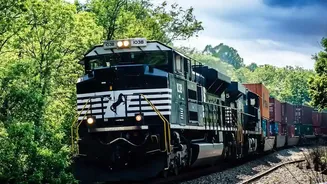
Enter the Dedicated Freight Corridor (DFC), a game-changing infrastructure project. The Western Dedicated Freight Corridor (WDFC) is a 1,506-kilometre, high-capacity, double-line electrified track built exclusively for transporting goods. Stretching from Dadri in Uttar Pradesh to Jawaharlal Nehru Port (JNPT) in Navi Mumbai, it acts as a separate, uninterrupted highway for freight trains. The project, which was officially completed in September 2026, was designed to move 70% of India's goods trains off the conventional network and onto these new corridors. This separation of freight and passenger traffic is the key to unlocking new capacity on existing lines.
What It Means for Commuters
By shifting bulky freight trains onto the WDFC, significant capacity is freed up on the tracks currently shared with Mumbai's local trains. Railway officials have confirmed that this decongestion is a primary benefit of the project. For the average commuter, this translates into tangible improvements. First, it allows the railways to run more suburban services. With freight trains no longer blocking the lines, new slots open up in the timetable, potentially reducing the crushing peak-hour rush. Second, punctuality is expected to improve. Fewer hold-ups for passing goods trains mean local services can run more reliably and on schedule. The new infrastructure strengthens the entire logistics ecosystem, but its most direct impact for Mumbaikars will be felt in their daily travel.
The Final Connection and a Realistic Timeline
The full benefits for Mumbai are contingent on the final leg of the WDFC connecting seamlessly to the port area. With the inauguration of the last sections, including the crucial link to JNPT in September 2026, the entire corridor is now operational. This allows for the large-scale migration of freight traffic from the city's passenger-heavy lines to the dedicated corridor. While the infrastructure is complete, the process of rerouting all goods traffic and introducing new suburban services will be gradual. Indian Railways will likely phase in changes to timetables and operations. Commuters should see incremental improvements as the freight network becomes fully utilized, marking a major step towards a less congested and more efficient suburban rail system.