





The Trend Takes Hold
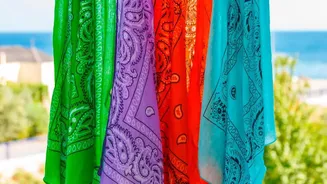
You've likely seen it everywhere: tied as a classic headscarf, knotted neatly around the neck, adorning a ponytail, or even fashioned into a crop top. Celebrities like Dua Lipa, Zendaya, and Rihanna have all been spotted embracing the bandana, showcasing
its incredible versatility. The trend's appeal is its ease and nostalgic flair; it can reference the 1970s bohemian look, '90s hip-hop style, or early 2000s pop culture with a simple fold and tie. This adaptability has fuelled its resurgence, with searches on resale platforms soaring as style-conscious shoppers look for affordable ways to refresh their wardrobes. But while the modern styling feels fresh and playful, the most common pattern on these scarves—paisley—carries a much deeper narrative.
The Real Story of Paisley
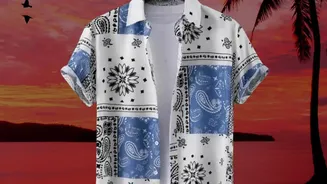
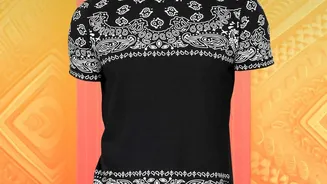
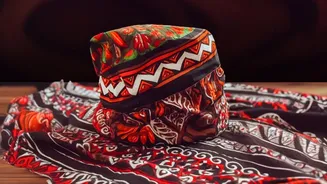
What many call paisley is a pattern with a rich history that began long before it was named after a Scottish town. The iconic teardrop shape is known as the 'boteh' or 'buta' and originated in Persia (modern-day Iran) centuries ago. Its design is often interpreted as a stylised cypress tree, a symbol of life and eternity in ancient Persian culture and Zoroastrianism. Other interpretations see a blooming flower, a sprouting seed, or even a divine flame, representing concepts like fertility, resilience, and prosperity. This powerful motif was used to decorate royal garments and valuable textiles, signifying high status. From Persia, the boteh journeyed to India, where it became a cornerstone of Mughal textile art, especially on luxurious Kashmir shawls. It was here that the design was embraced and evolved, often woven with exquisite detail for royalty and aristocracy.
From Kashmir to Scotland
In the 18th and 19th centuries, the British East India Company began importing these intricate Kashmir shawls to Europe, where they became a coveted fashion item among the elite. The demand for these luxurious textiles quickly outpaced the supply from India. European manufacturers saw an opportunity and began producing their own versions. A small town in Scotland, Paisley, became a major centre for replicating these designs using newly invented Jacquard looms, which allowed for mass production. The town became so synonymous with the pattern that the ancient boteh motif was forever renamed 'paisley' in the English-speaking world, its Eastern origins gradually fading from popular memory.
A Symbol of Counter-Culture
As production ramped up, the pattern moved from expensive shawls to affordable printed cotton squares—the bandana. The name 'bandana' itself is derived from the Hindi word 'bandhani', a traditional Indian tie-dye technique. In the West, the bandana became a utilitarian accessory for American cowboys, miners, and farmworkers, used to protect them from dust and sweat. Over the 20th century, it transformed into a powerful symbol for various subcultures. It was adopted by bikers, became associated with gang affiliations in the 1980s, and was used in the LGBTQ+ community as part of the 'hanky code' to communicate sexual preferences in the 1970s. This journey from royal motif to worker's cloth to rebel symbol shows its remarkable ability to hold different meanings for different communities.
How to Wear It Now
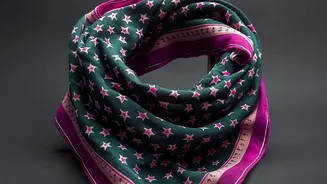
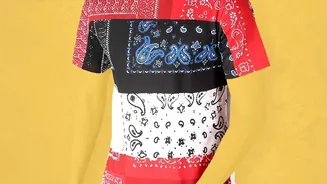
Understanding this rich history adds a layer of intention to wearing a bandana in 2026. It’s more than just an accessory; it’s a piece of global heritage. Today’s styling leans into its versatility. For a polished look, try a silk bandana tied neatly around your neck with a crisp shirt. For a more casual, retro vibe, wear it as a headscarf or headband. Designers and style influencers are also getting creative, using oversized bandanas as tops or tying them to the handles of bags for a pop of colour and pattern. The key to the modern look is balance: let the bandana be the statement piece and keep the rest of the outfit relatively simple and clean.