


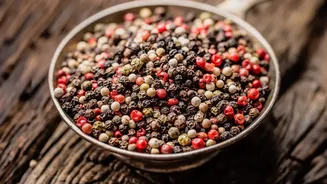
Black pepper, the 'king of spices', is a cornerstone of Indian cooking. But its high value makes it a target for adulteration. With fakes slipping into our kitchens, how can you be sure you're using the real thing? It's easier than you think.
The Common Imposters
The most
common adulterant found in whole black pepper is dried papaya seeds. They are cheap and look strikingly similar to actual peppercorns, fooling most buyers at a glance. Other times, sellers mix in 'light berries', which are immature or hollow peppercorns that lack flavour and potency. In more alarming cases, peppercorns are coated with mineral oil to give them an appealing shine. This petroleum-based product is harmful and can cause health issues. For powdered pepper, the risks include fillers like sawdust or husk. These adulterants not only cheat you out of money but also rob your food of its authentic flavour and health benefits.
Test 1: The Water Float Test
This is the easiest and most reliable test, recommended by the Food Safety and Standards Authority of India (FSSAI). Simply drop a spoonful of your whole black pepper into a clear glass of water. Pure, dense peppercorns will sink to the bottom. Adulterants like papaya seeds and hollow 'light berries' are less dense and will float to the surface. If you see a significant number of 'berries' floating, you have good reason to be suspicious. For pepper powder, the same test applies: pure pepper powder settles, while fillers like sawdust will float.
Test 2: The Visual and Smell Check
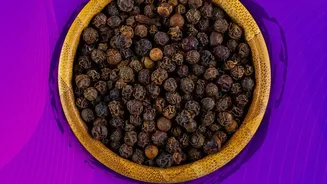
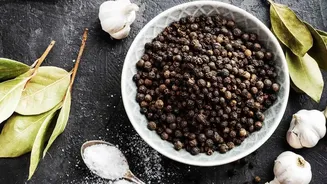
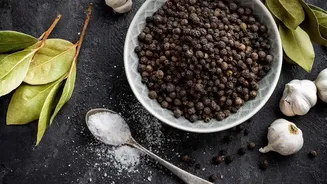
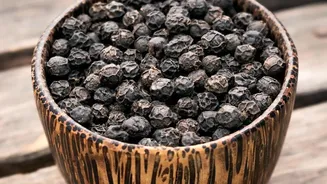
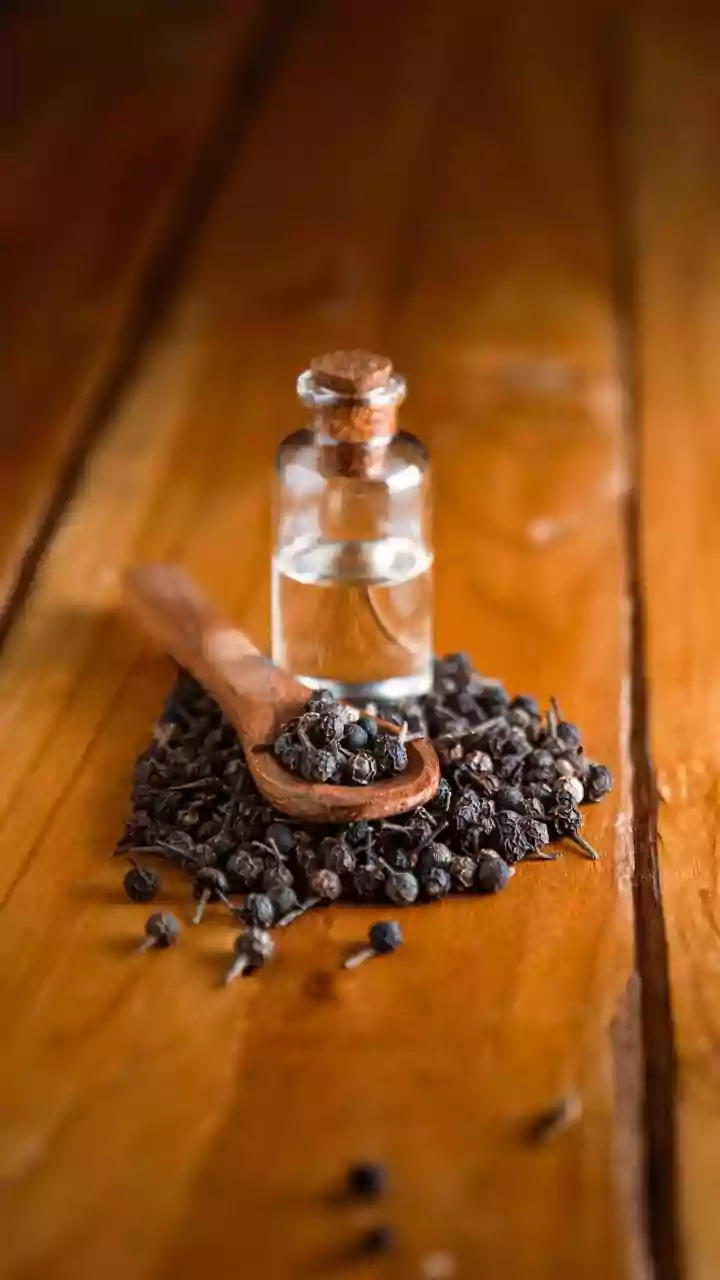
Your senses are powerful tools. Take a close look at the peppercorns. Real kali mirch has a distinctly wrinkled, almost net-like surface and is typically uniform in its dark brown or black colour. Papaya seeds, by contrast, are often oval-shaped and have a smoother, shrunken surface. They can also appear greenish-brown. Next, check for shine. While some pepper is naturally glossy, an unnaturally greasy or overly shiny appearance could indicate a mineral oil coating. Rub a few peppercorns in your palm and smell them. If you detect a faint chemical or kerosene-like odour, the pepper has likely been polished with mineral oil.
Test 3: The Crush Test
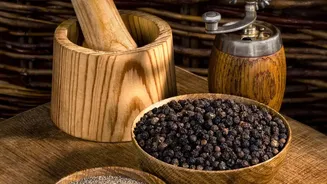
This test checks for both texture and aroma. Place a few peppercorns on a hard surface and press down firmly with your finger or the back of a spoon. A mature, high-quality peppercorn is quite hard and will not break easily. When it does crack, it will release a strong, pungent, and characteristic peppery aroma. Adulterants like papaya seeds or poor-quality light berries are softer and will crush more easily, often into a mush or a flavourless powder with a repulsive taste. This simple press reveals the true quality and potency of the spice.
Smarter Shopping for Purer Spices
Being vigilant starts at the store. Whenever possible, choose whole peppercorns over pre-ground powder, as whole spices are much harder to adulterate effectively. Be wary of prices that seem too good to be true; quality spices have a certain cost. Always check for food safety certifications on the packaging, such as the FSSAI or Agmark labels, which indicate that the product has met regulatory standards. Buying from trusted brands or known local sources can also significantly reduce your risk of purchasing a counterfeit product. By combining these purchasing habits with the simple home tests, you can ensure your spice rack is stocked with only pure, flavourful, and authentic kali mirch.