





The New Rule: 30 Days, No Visa
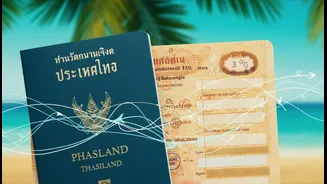
The Thai government has officially approved a 30-day visa-free entry for tourists from India. This decision, confirmed on July 14, 2026, aims to provide clarity and support the tourism sector after a period of uncertainty. The new policy replaces a confusing
situation where Indians faced the possibility of needing a visa on arrival for shorter stays. Now, Indian passport holders are part of a list of 59 countries granted this 30-day visa exemption, simplifying entry procedures significantly. This move is intended to align with the typical travel patterns of Indian tourists, who are one of the largest groups of visitors to Thailand.
A Look Back: From 60 Days to Confusion
To understand the change, it’s useful to know the recent history. Previously, Indian tourists enjoyed a generous 60-day visa-free stay. However, in May 2026, the Thai cabinet approved a proposal to shorten this, which created significant confusion and even led to a decline in arrivals from India. For a while, it seemed Indians would revert to a 15-day Visa on Arrival system. The new 30-day rule scraps that uncertainty. While it's a reduction from the previous 60 days, it is a significant improvement over the proposed 15-day visa-on-arrival and provides a stable, predictable framework for planning trips.
More Than Just Extra Time
A 30-day stay opens up possibilities that were difficult with a shorter visa. The most obvious benefit is flexibility. You no longer need to cram everything into a week. This shift allows for a more relaxed pace, encouraging travellers to move beyond the typical Bangkok-Pattaya circuit. With a month at your disposal, you can truly immerse yourself in the culture, explore multiple regions, and avoid the exhaustion of a rushed itinerary. This change caters to a growing trend of 'slow travel,' where the goal is to experience a destination deeply rather than just ticking off sights.
Rethink Your Itinerary: Go North, Go Deeper
So, how can you use this extra time? Instead of a standard five-night package, consider a two or three-week journey. You could start with a few days in Bangkok for its vibrant city life and temples, then fly north to Chiang Mai for its lush mountains, ethical elephant sanctuaries, and rich cultural heritage. From there, you could head south to the less-crowded beaches of Krabi or explore the smaller islands in the Andaman Sea. A 30-day window makes it feasible to combine the cultural north with the serene south, creating a well-rounded Thai experience that was previously only practical for long-term backpackers.
New Possibilities: Wellness, Hobbies, and Hidden Gems
A longer stay also allows for more than just sightseeing. You could enroll in a week-long Thai cooking course, join a yoga and wellness retreat, or get a scuba diving certification in the islands. These immersive activities require a time commitment that a short visa doesn't permit. It also gives you the chance to discover hidden gems. You could explore the ancient ruins of Ayutthaya, venture into the national parks, or visit Isan, Thailand's northeastern region known for its unique food and culture. The 30-day rule transforms a holiday from a brief escape into a potential journey of discovery.
What to Keep in Mind
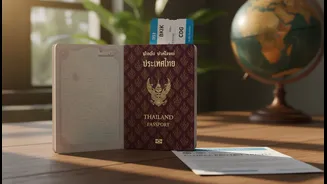
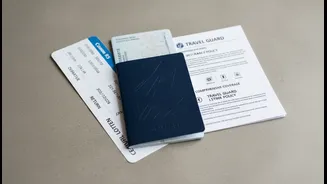
While the visa is free, travellers should still be prepared for standard immigration checks. It is always wise to carry documents like a passport with at least six months of validity, proof of a return or onward flight ticket, and details of your accommodation. Immigration officers may also ask for proof of sufficient funds to cover your stay. Additionally, all foreign travellers are generally required to complete the Thailand Digital Arrival Card (TDAC) before entry. Staying informed about these basic requirements will ensure a smooth and hassle-free arrival, letting you start your extended holiday without a hitch.