








Your Roof: The First Line of Defence
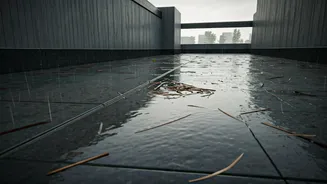
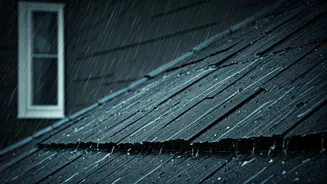
Your roof bears the brunt of any downpour. Damaged, missing, or improperly secured shingles are an open invitation for water to seep into your home. This can lead to stained ceilings, rotted wood in the attic, and compromised structural integrity. Clogged
gutters are another major culprit. When leaves and debris prevent water from draining, it can back up and pool on the roof, forcing its way underneath roofing materials. After a heavy storm, check for any visible signs of damage like loose shingles or debris collected in gutters. Regular inspections, especially before the rainy season, can save you from significant headaches later on. Look for water stains or bubbling paint on your ceilings inside, as these are tell-tale signs of a leak that needs immediate attention.
The Foundation: Trouble from the Ground Up
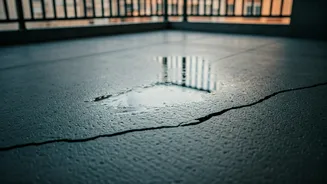
Rain damage isn't always obvious. One of the most serious and insidious threats is to your home's foundation. When heavy rain saturates the soil around your house, it expands and exerts immense pressure on the foundation walls. This hydrostatic pressure can cause cracks, bowing, and shifting. Over time, this can compromise the entire structure of your home. Be on the lookout for hairline cracks in foundation walls, doors and windows that stick or no longer close properly, and dampness or musty smells in your basement or crawl space. Pooling water around your home's base is a clear warning sign of poor drainage that needs to be addressed by ensuring the ground slopes away from the house.
Walls and Windows: The Weakest Links
Your walls and windows are vulnerable entry points for rainwater. Cracks in exterior walls, however small, can allow moisture to penetrate, leading to peeling paint, damp patches, and mould growth inside. Similarly, poorly sealed windows and doors can let rain seep in, damaging frames, walls, and flooring. Over time, this constant exposure to moisture can cause materials like drywall to become soft and warped. Regularly inspect your exterior walls for cracks and ensure that the sealant or caulking around your windows and doors is intact and not deteriorating. Applying a good quality waterproof paint on exterior walls can also provide an additional layer of protection, especially in regions with heavy monsoons.
Electrical Systems: A Shocking Hazard
Water and electricity are a dangerous combination. Water seeping into walls can reach electrical wiring and outlets, creating a serious risk of short circuits, shocks, and even fire. This is particularly a concern in areas with persistent dampness or leaks. In India, where monsoons are intense, it is crucial to ensure electrical fittings are not placed near windows or other openings where rain can easily enter. Any signs of water damage near electrical panels, outlets, or switchboards should be treated with extreme caution. Never touch electrical devices if you are standing in water or if your hands are wet. It is also wise to elevate extension cords and appliances from the floor level to protect them from potential water entry.
Interiors and Belongings: The Hidden Costs
The damage from rain is not just structural. Persistent dampness and high humidity create a perfect breeding ground for mould and mildew. Not only does this cause musty odours and stain your walls and furniture, but it can also pose health risks. Carpets, rugs, and upholstered furniture are particularly susceptible to developing mould if they get damp. It is advisable to roll up and store carpets during the peak rainy season if possible. Using dehumidifiers can help control indoor humidity levels, especially in basements and other poorly ventilated areas. Protect important documents and valuables by storing them in waterproof containers and away from windows or areas prone to leaks.