
The Deep Side Part and Peekaboo Wave
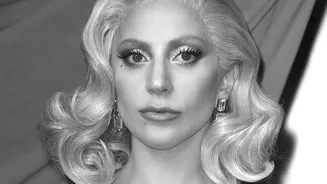
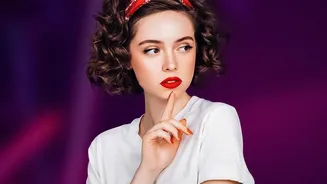
The foundation of many Old Hollywood looks starts with a dramatic deep side part. This simple switch instantly adds volume and a touch of mystery. It was famously worn by actress Veronica Lake, whose signature 'peekaboo' hairstyle featured a cascade of waves
falling over one eye. To get the look, create a sharp side part on clean, dry hair. Using a one-inch curling iron, curl all sections of your hair in the same direction, toward your face. The key is uniformity; curling every piece the same way allows the waves to join together seamlessly when brushed out. Once all curls are cooled, gently brush them through with a soft bristle brush until they form a soft, unified wave pattern. A light spritz of hairspray will provide hold without sacrificing the soft, touchable finish.
Sculpted Finger Waves
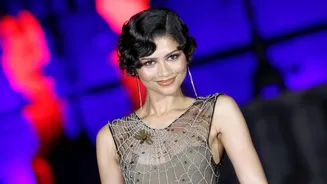
For a sleek, graphic style that screams 1920s and '30s glamour, look no further than finger waves. This technique involves sculpting wet hair into a series of 'S' shaped waves that lie flat against the head. While it takes a bit of practice, the result is incredibly striking. Start with clean, damp hair and apply a generous amount of styling mousse or strong-hold gel. Using a fine-tooth comb, start near your part and push a section of hair forward to create a 'C' shape, holding it in place with your finger. Then, comb the hair in the opposite direction right below your finger to form the next ridge. You can use duckbill clips to hold the wave pattern in place as you work. Allow the hair to dry completely, preferably under a hooded dryer, before removing the clips.
The Classic Chignon
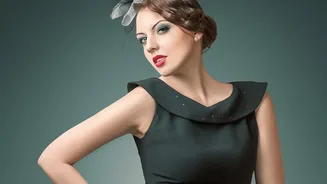
Embodying the sophisticated elegance of stars like Grace Kelly, the chignon is a polished low bun that rests at the nape of the neck. Its beauty lies in its clean lines and understated grace. To create a simple chignon, start by brushing your hair into a low ponytail. You can leave a few strands out at the front to soften the look. Twist the ponytail, then wrap it around its base to form a bun, tucking the ends underneath. Secure the bun tightly against your head with bobby pins. For a more structured look, you can roll the ponytail over a hair donut or 'rat' to create a fuller, more perfectly shaped bun. A final mist of hairspray ensures a smooth, flyaway-free finish.
Playful Victory Rolls
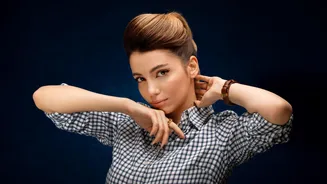
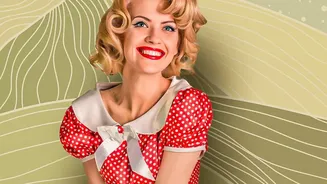
A hallmark of the 1940s, victory rolls are a fun, bold style characterized by voluminous rolls of hair pinned on top of the head. The style was a practical way for women working in factories during WWII to keep their hair out of machinery, but it quickly became a fashion statement. To create a basic version, section off the front portions of your hair on either side of your part. For added volume, gently backcomb the underside of each section. Then, holding a section taut, roll the hair inward toward your parting, wrapping it around your fingers to create a tube shape. Once you have a neat roll, secure it to your scalp with bobby pins placed inside the roll to hide them. Repeat on the other side. This style works best on hair that isn't freshly washed, as the natural oils provide better grip.
Foundational Pin Curls
While not a finished style on their own, pin curls are the essential building blocks for many vintage looks. This heat-free setting technique was how women in the 1940s and '50s achieved everything from soft waves to tight curls. After washing, while your hair is still damp, take a small section of hair. Starting from the end, roll the hair up toward the scalp into a neat, flat circle. Secure the coil flat against your head with a bobby pin or clip. The direction you roll the curls will determine how the final style brushes out. Repeat this process all over your head. Once your hair is completely dry, carefully remove the pins. You can then brush the curls out into soft waves or style them into a more structured updo.