


The Science of a Slow, Steady Heat
Unlike metal pans that heat up quickly and can create aggressive hot spots, clay is a poor conductor of heat. This might sound like a disadvantage, but it’s the secret to its success. Clay heats up slowly and, thanks to its high thermal mass, absorbs
and stores that heat far more effectively than iron or copper. The tiny, microscopic air pockets trapped within the fired clay act as natural insulators, ensuring the pot distributes this stored heat gently and evenly. This process of slow, uniform heating is what makes clay pots so energy-efficient; they continue to cook food gently even after being removed from the flame, using the retained warmth to finish the job.
A Natural Steam Chamber for Tender Results
The magic of a clay pot lies in its porous nature. These microscopic pores allow the pot to 'breathe'. When heated, the pot allows steam from the cooking food to be absorbed into its walls. This trapped moisture is then circulated and slowly released back into the dish, creating a self-basting effect. This constant, gentle cycle of steam prevents food from drying out, resulting in exceptionally tender meats and succulent vegetables without needing excess oils or fats. This moisture-locking capability is key to developing rich, concentrated sauces and gravies, as flavours meld without evaporating away.
Unlocking Deeper, More Fragrant Spices
The combination of slow, even heat and a moist environment creates the perfect conditions for spices to bloom. Instead of being scorched by high heat, which can make them bitter, spices in a clay pot release their aromatic compounds gradually. The trapped steam circulates these fragrant molecules throughout the dish, infusing every ingredient with deep, layered flavour. Furthermore, clay is naturally alkaline. This property helps to neutralize the acidity in ingredients like tomatoes, balancing the overall pH of the dish and making flavours rounder and easier to digest. The result is a meal that isn't just cooked, but has had its flavours fully developed and harmonized.
A Taste of Tradition in Every Bite
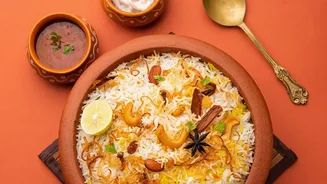
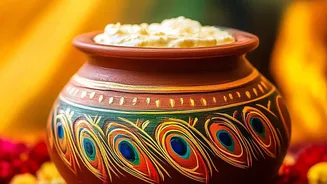
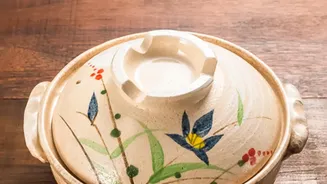
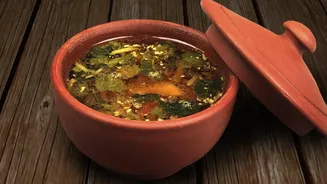
From the iconic 'handi' used for biryani and curries in India to the Moroccan 'tagine' and the Japanese 'donabe', clay pot cooking is a technique celebrated across global cuisines for centuries. In India, cooking in a 'matka' or 'chulha' is not just a method but a ritual that connects the food to the earth. This tradition recognises that the vessel is an active participant in the cooking process, lending an unmistakable earthy essence that metal cookware simply cannot replicate. Using a clay pot is a nod to a slower, more mindful way of cooking, where patience is rewarded with unparalleled taste and texture.
More Than Just Flavour: The Health Benefits
The advantages of cooking in clay extend beyond taste. The slow cooking process at lower temperatures helps preserve delicate nutrients in food that can be destroyed by the high, aggressive heat of metal pans. Because the pot's steam circulation keeps food moist, there is less need to add large amounts of oil or fat, making for healthier meals. Unglazed clay pots are also free from the chemical coatings found on some non-stick cookware, ensuring that no unwanted substances leach into your food. The alkaline nature of clay can also aid in digestion by balancing the food's pH levels.