




Start with a Conversation, Not Accusations
Before you start printing labels and assigning shelves, have a house meeting. The goal isn't to blame anyone for past fridge crimes but to agree on a system that works for everyone moving forward. This conversation is the foundation of a successful agreement.
Discuss eating habits, work schedules, and how you'd like to handle shared items versus personal groceries. Some households may decide to share staples like milk, eggs, and butter to save space, while others prefer to keep everything separate. The key is to find a solution that feels fair to everyone involved and set boundaries before problems arise. A calm, collaborative chat prevents the passive-aggressive notes and simmering resentment that a chaotic kitchen can cause.
The Shelf Strategy: Divide and Conquer
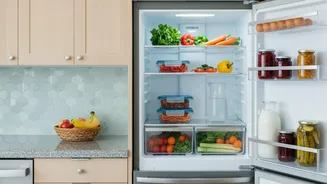
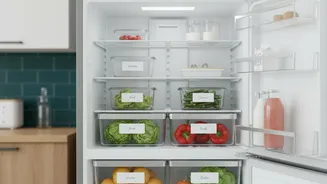
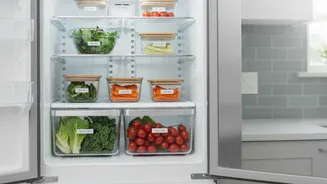
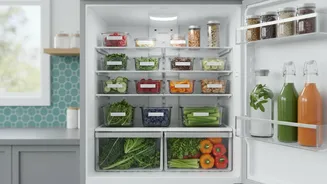
Once you've talked it out, it's time to map your territory. The most common and effective method is to assign a specific shelf or drawer to each person. This creates clear ownership and makes it easy to find your things. If you have two roommates and two crisper drawers, for instance, each person gets one. If shelf-per-person isn't practical due to the number of flatmates, you can try organizing by food type—a shelf for produce, a drawer for meats, and so on. The refrigerator door is often best designated as a communal space for shared condiments and sauces, preventing clutter on the main shelves. Whatever system you choose, make sure it’s visually clear and provides roughly equal space for everyone.
The Power of the Label
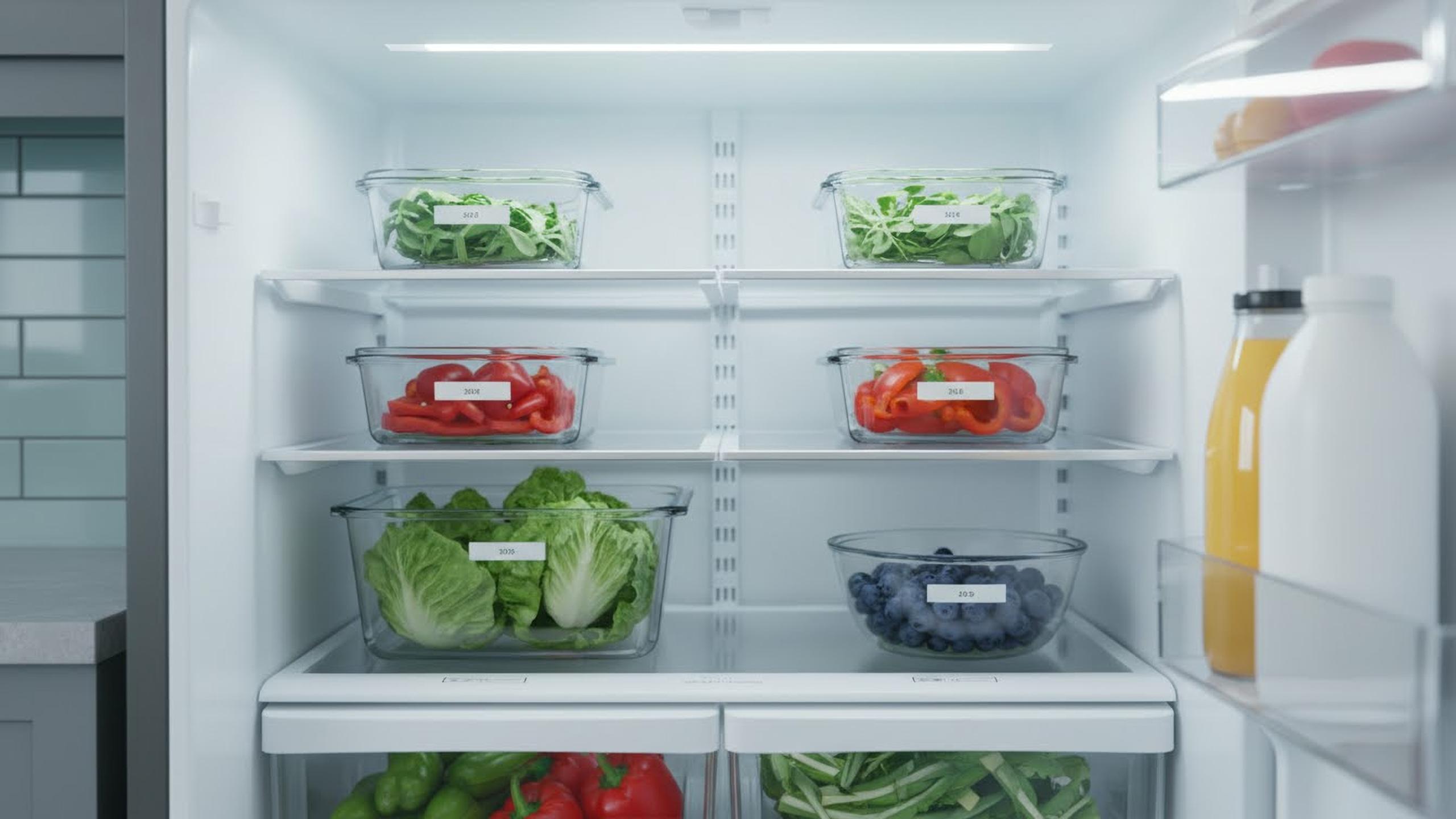
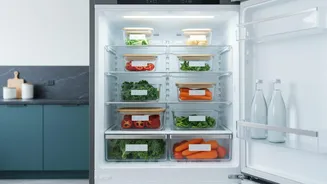
A label is your best defence against accidental food theft and mysterious spoilage. A simple system using masking tape or dissolvable food labels can work wonders. Every label for personal items should include your name or initials and the date the item was opened or prepared. For leftovers, it's even more crucial. Commercial kitchens follow a strict 7-day rule for most prepared foods, counting from the day of preparation. Adopting a similar 'cooked on' and 'use by' date on your labels removes the guesswork and helps prevent food waste. For example, a label reading “Chicken Curry - Cooked July 22, Use by July 26” is crystal clear. This practice not only ensures you eat food at its best but also tells your roommates what’s fresh and what needs to go.
Establish a 'Free-for-All' Zone
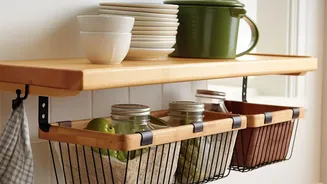
To prevent confusion over what's shared and what's private, create a designated 'communal' area. This could be a specific basket, a section of a shelf, or the entire fridge door. This is the spot for items everyone has agreed to share, like ketchup, mustard, or a communal jar of pickles. It's also a great place for food that you're willing to offer up to others. If you’ve made a big batch of dal and won't finish it, move it to the communal zone with a note. This simple step encourages sharing, reduces waste, and clarifies that everything outside this zone is off-limits unless you ask first.
The Unpleasant but Necessary Cleaning Rota
A shared fridge agreement is incomplete without a cleaning schedule. No one wants to be confronted by sticky spills or mouldy science experiments. Establish a weekly or bi-weekly rota for fridge maintenance. This task should involve more than just a quick wipe-down. The person on duty is responsible for tossing out any expired or unlabelled mystery items. Define a clear rule: for example, any unlabelled leftovers older than five days are thrown out, no questions asked. This keeps the fridge from becoming a graveyard for forgotten food and ensures the responsibility is shared equally, preventing one person from becoming the designated 'fridge cleaner.'
Handling the Freezer and Leftovers
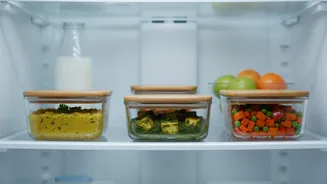
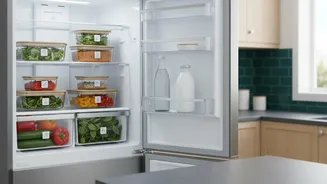
The freezer is often a forgotten frontier, but it needs rules too. The same principles of designated space and labelling apply. Be mindful not to hog freezer space with bulk purchases that leave no room for others. For leftovers, use clear, stackable containers to keep things visible and tidy. An agreement should include a timeline for how long leftovers can stay in the fridge—typically 3-4 days for most cooked foods is a safe bet. If something is approaching its 'use by' date, the owner is responsible for either eating it or tossing it. This final check-in system prevents food waste and the dreaded smell of spoiled food every time the door is opened.