



The Annual Pause for Nature
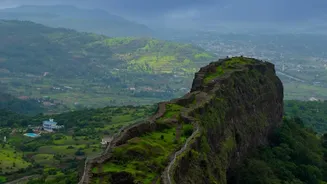
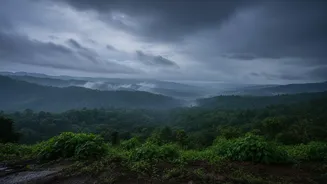
Across India, from the Sahyadris in Maharashtra to the high-altitude routes in Uttarakhand, the monsoon prompts an annual and necessary shutdown of many popular trekking trails and national parks. Forest departments in states like Maharashtra, Karnataka,
Goa, and Kerala enforce these closures, often invoking legal provisions to ensure compliance. This isn't just about a little rain; it's a coordinated effort to protect fragile ecosystems and ensure public safety. The closures typically span the peak rainfall window from June to September, affecting hundreds of trails, forts, and waterfalls that are otherwise magnets for adventurers.
Why Trails Need a Monsoon Break
The primary reason for these closures is ecological preservation. Intense monsoon rain saturates the soil, making it highly susceptible to erosion. Foot traffic on wet, muddy paths churns the ground, compacts the soil, and strips away vegetation, leading to significant and long-lasting trail damage. This soil loss degrades the trail and harms the surrounding flora. Furthermore, the monsoon is a critical breeding season for many wildlife species. Closing parks and trails minimizes human disturbance, allowing animals to mate and raise their young in a peaceful environment. It's a vital period of rejuvenation that lets nature recover from the stress of year-round tourism.
The Unseen Dangers of a Wet Trail
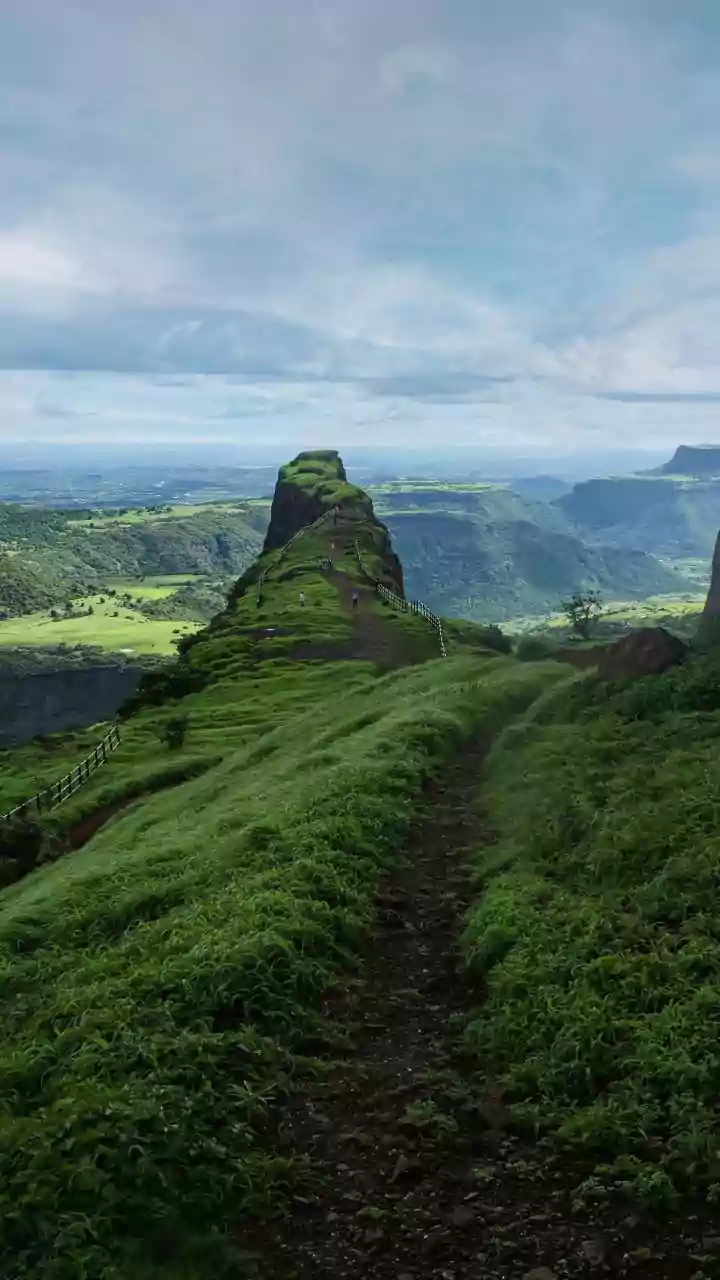
Beyond environmental concerns, safety is a major factor. Monsoon conditions create genuine hazards for trekkers. Slippery paths, especially on rocky terrain, dramatically increase the risk of falls. Poor visibility due to heavy mist and fog can easily disorient hikers, causing them to lose their way. More severe dangers include flash floods in narrow gullies and the heightened risk of landslides on saturated slopes. Authorities close trails not to inconvenience visitors, but to prevent accidents and rescue situations in remote areas where help is not easily accessible. Even after a storm passes, the ground remains unstable, making it wise to wait a few days before hiking.
How to Adapt Your Monsoon Adventure
A closed trail doesn't mean your monsoon travel plans are ruined; it just means they need to be redirected. Many stunning treks are actually at their peak during the rains and remain open. The Valley of Flowers in Uttarakhand, for instance, is a classic monsoon trek where wildflowers are in full bloom between July and September. Similarly, regions in the Himalayan rain shadow, like Kashmir's Tarsar Marsar trek or Ladakh's Markha Valley, receive less rainfall and offer incredible trekking opportunities. In the Western Ghats, while many high-risk peaks are closed, certain fort treks with wider, more gradual paths like Rajmachi or Korigad may remain accessible, often with local guidance. The key is to shift from high-altitude or risk-prone trails to those officially designated as safe for the season.
Planning for a Safe and Responsible Trip
If you plan to trek during the monsoon, research is crucial. Always check the latest notifications from the state forest department before you travel. In states like Karnataka, online registration for permits has become mandatory for many trails to regulate the flow of visitors and enhance safety. Never trek alone in the monsoon and consider hiring an authorized local guide who understands the terrain and weather patterns. Pack appropriate gear, including waterproof jackets, shoes with excellent grip, and a first-aid kit. Embracing these guidelines not only ensures your safety but also supports the conservation efforts that keep these beautiful landscapes pristine for future generations.