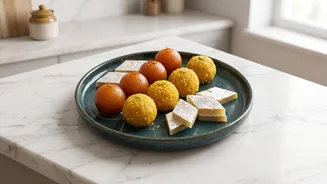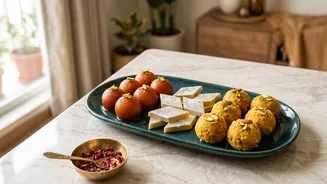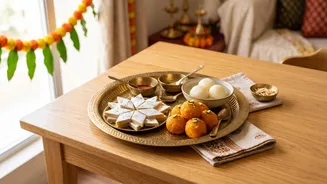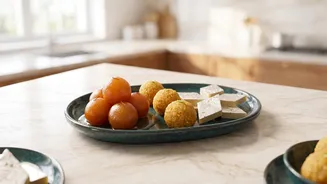


Understanding Silver Foil (Vark)
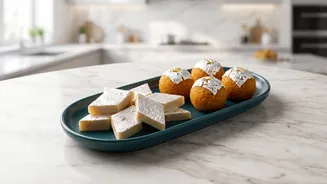
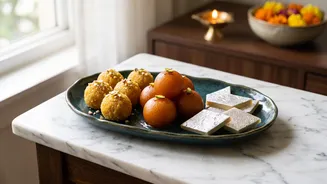
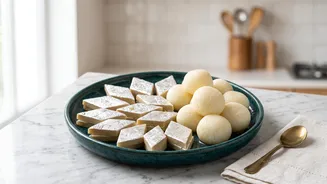
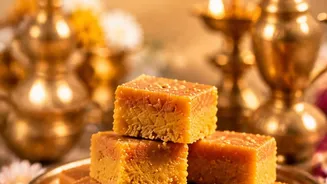
That delicate, shining layer on your favourite kaju katli or barfi is called vark, or silver foil. According to the Food Safety and Standards Authority of India (FSSAI), authentic vark must be made of at least 99.9% pure silver. It should be incredibly
thin, uniform, and free of creases. The concern arises when manufacturers substitute pure silver with cheaper, non-edible metals like aluminium, which can be harmful if consumed. Historically, another concern was the use of animal-derived materials in the production process, but FSSAI has banned this practice, mandating that compliant vark must not use any material of animal origin at any stage.
Simple Tests for Silver Foil
You don't need a laboratory to spot a fake. Here are two easy tests you can perform at home to check the purity of the silver foil on your sweets. First, the rub test: Gently swipe the vark with your finger. If it's genuine silver, it should dissolve or break apart easily, leaving little to no residue on your skin. If it is adulterated with aluminium, it will likely roll up into a tiny, solid ball and stick to your finger. Second, the burn test: Carefully remove a piece of the foil from the sweet and ignite it with a lighter or over a flame. Pure silver will burn away and turn into a small, shiny ball or ash of pure silver. Fake foil made of aluminium will burn down completely, leaving behind a greyish-black ash.
The Problem with Adulterated Khoa
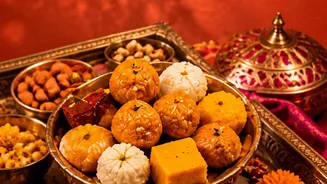
Khoa, also known as mawa, is the rich, milk-solid base for countless Diwali sweets like gulab jamun, peda, and barfi. It's made by slowly simmering and reducing milk. Because it takes a large volume of milk to produce a small amount of khoa, it's a prime target for adulteration, especially during periods of high demand. Unscrupulous sellers often mix in cheaper substances to increase weight and volume. The most common adulterants are starch (from flour or potatoes), blotting paper, and even harmful chemicals like urea and detergent. These not only diminish the nutritional value but can also pose significant health risks.
How to Identify Impure Khoa
You can check the quality of khoa with a few simple observations and tests. First, use your senses. Pure khoa has a slightly grainy texture, a rich milky aroma, and feels a bit oily when rubbed on your palm. Adulterated khoa often feels pasty, sticky, or unnaturally smooth. For a more definitive check, perform an iodine test for starch. Take a small amount of khoa, dissolve it in hot water, and let it cool. Then, add a couple of drops of iodine solution. If the mixture turns blue or black, it confirms the presence of starch. Another method is the taste test; pure khoa will have a sweet, milky flavour, while adulterated versions may taste bland, soapy, or have a chemical aftertaste.
General Tips for Safe Sweet Shopping
Beyond testing individual ingredients, a few smart shopping habits can protect you and your family. Always purchase sweets from reputable, well-established vendors known for their quality. Check if the shop has a visible FSSAI license number. Be wary of sweets sold at unusually low prices, as this can be a red flag for poor-quality or adulterated ingredients. The FSSAI also mandates that sweet boxes should carry a 'manufacturing date' and a 'best before' date, so be sure to check the labels before buying. If possible, buy freshly made sweets instead of pre-packaged ones that have been sitting on the shelf for an unknown period.