



A Perfect Sensory Contrast
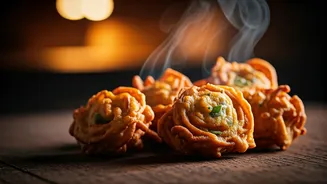
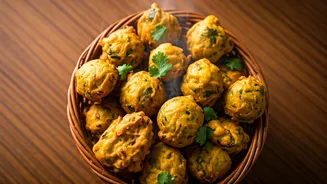
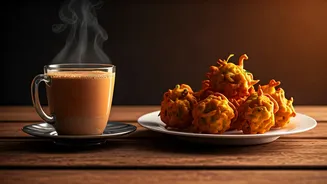
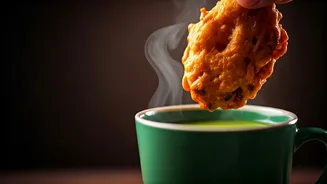
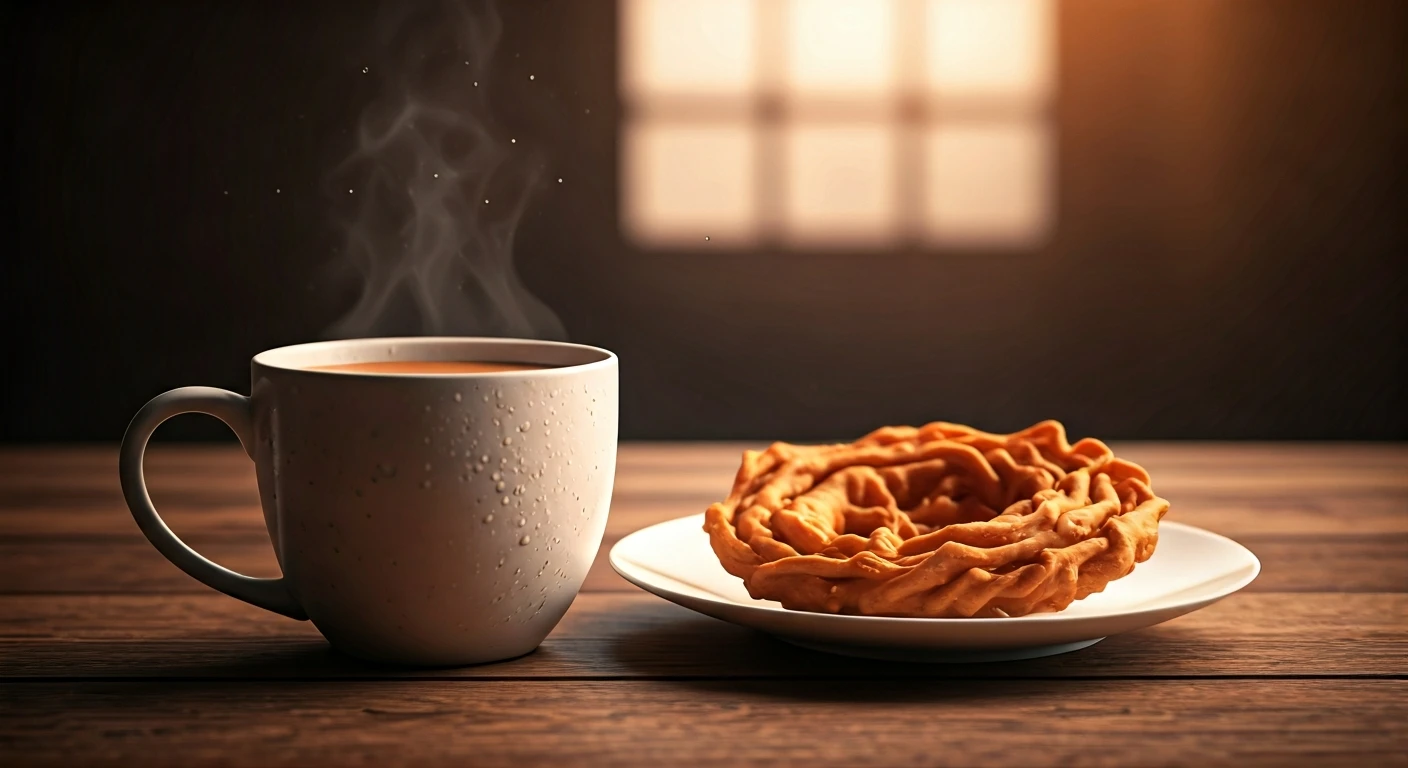
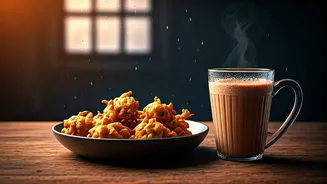
At its core, the magic of the chai-pakora combination lies in its brilliant sensory contrast. Imagine biting into a freshly fried pakora. You get the crunch of the besan (gram flour) batter, followed by the soft, steaming interior—be it a slice of onion,
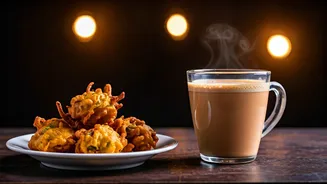
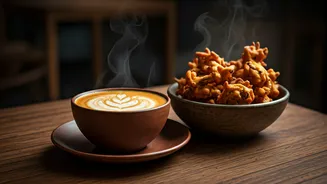
a sliver of potato, or a cube of paneer. It’s savoury, slightly spicy, and satisfyingly oily. Now, follow that with a sip of chai. The hot, milky, and often sweet liquid cuts through the richness of the pakora, cleansing your palate. If your chai is brewed with ginger or cardamom, its astringent and aromatic qualities provide a perfect counterbalance to the fried snack’s earthiness. This dynamic interplay of textures (crispy vs. smooth) and flavours (salty vs. sweet, oily vs. astringent) creates a culinary experience that is far greater than the sum of its parts. It’s a complete, well-rounded sensation that leaves you wanting another bite, and another sip.
The Ultimate Monsoon Ritual
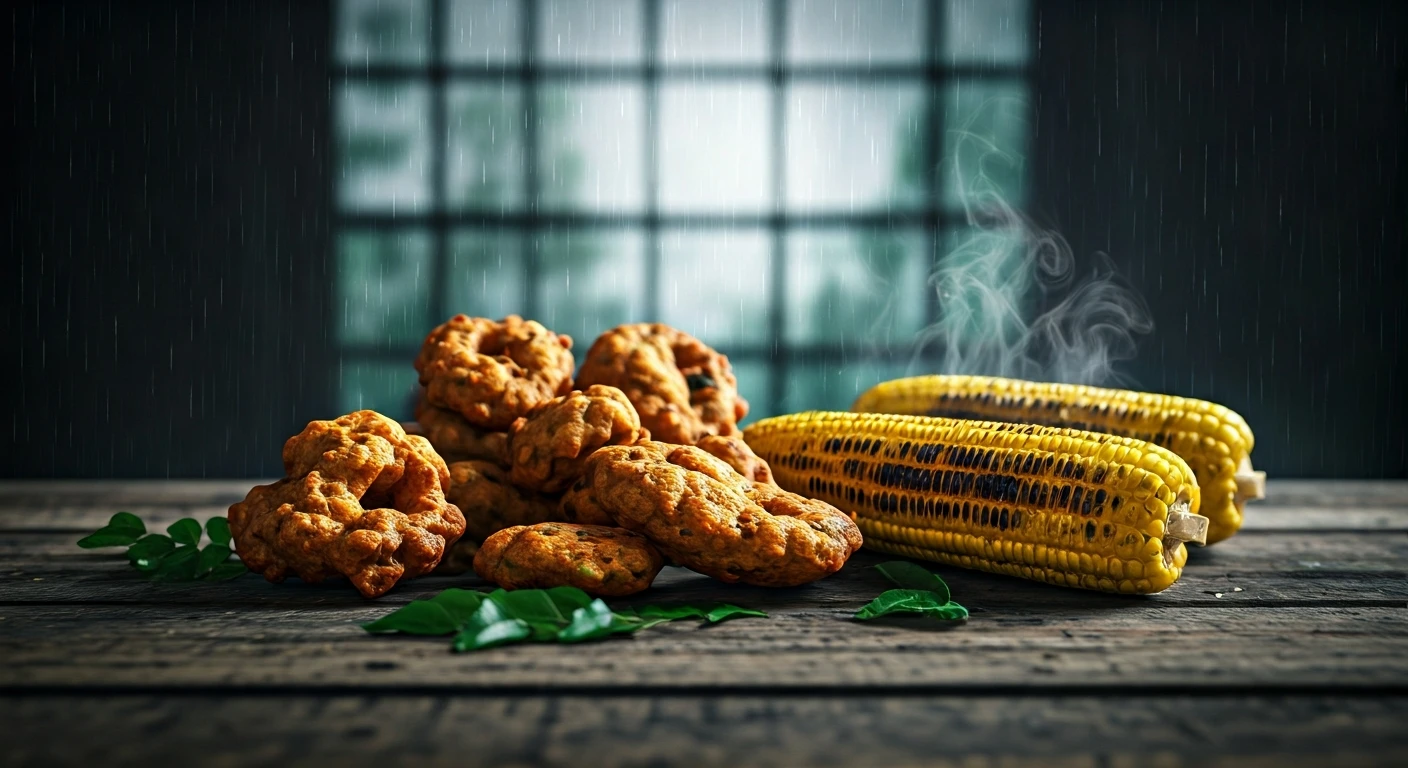
While chai and pakoras can be enjoyed year-round, they are inextricably linked with the monsoon season. There's a certain comfort in indulging in a hot, deep-fried snack when the weather outside is cool, damp, and grey. The sound of rain drumming against the roof pairs perfectly with the sizzle of pakoras frying in a kadhai. This association is deeply embedded in our collective memory. For many, the smell of petrichor—the earthy scent of rain on dry soil—is almost immediately followed by the craving for this specific comfort food. It’s a tradition passed down through generations, a simple pleasure that marks the arrival of the rains. The pakora, warm and life-affirming, becomes a small act of defiance against the gloom, a pocket of golden, crispy sunshine on a cloudy day.
A Symbol of Togetherness
You rarely make just a few pakoras. The very act of preparing them signals a social gathering. It’s a snack made for sharing, passed around on a platter among family and friends who have gathered to watch the rain or simply enjoy their evening tea. The process itself is often communal. Someone chops the vegetables, another mixes the batter, and a third handles the frying. It turns a simple tea time into an event, a moment of connection built around the stove. This social dimension is crucial. The conversations that flow over a shared plate of pakoras and endless cups of chai are the foundation of countless relationships. It's the food of impromptu get-togethers, of lazy Sunday afternoons, and of warm hospitality. A guest arriving unannounced during a downpour is almost guaranteed to be greeted with the offer of this very pairing.
A Canvas for Regional Creativity
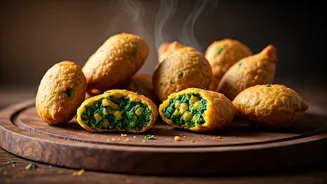
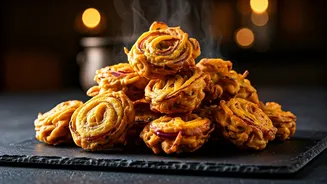
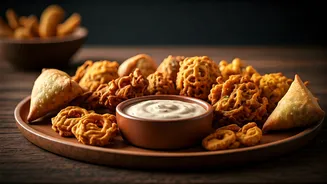
The humble pakora is also a testament to India’s incredible culinary diversity. While the concept of a gram-flour fritter is universal, its execution varies dramatically from one region to another, and even from one household to the next. In the North, you'll find bread pakoras and paneer pakoras. In the West, onion pakoras (kanda bhaji) and moong dal pakoras are staples. Travel to the South, and you might encounter vazhaipoo pakoda (banana flower fritters) or medu pakoda. Some add rice flour for extra crispiness, while others experiment with spices like ajwain (carom seeds) or chaat masala. This versatility means that everyone has their own 'perfect' pakora, a version that tastes like home. It’s a simple, adaptable food that allows for endless creativity, ensuring it never becomes boring.