

A Spectacle of Light on the Saryu
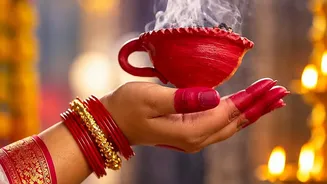
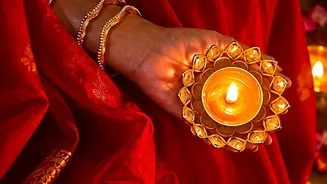
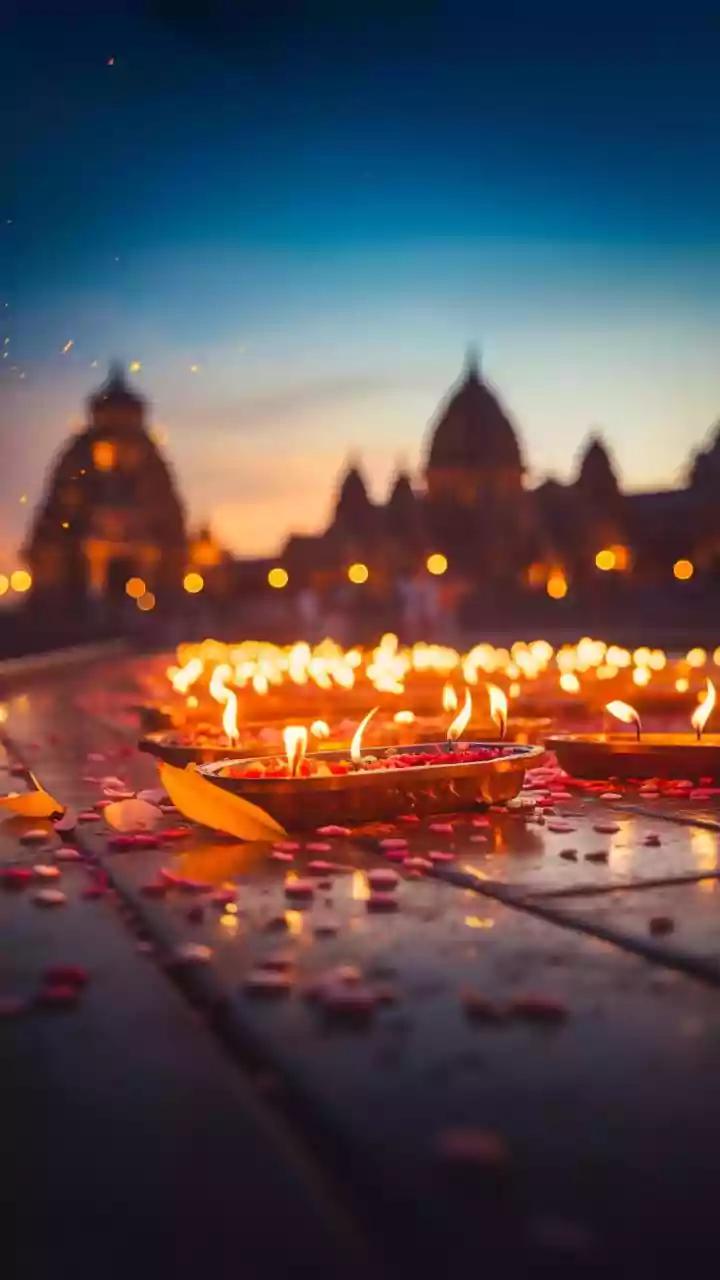
The heart of Ayodhya's Deepotsav is the mass lighting of diyas (earthen lamps) along Ram Ki Paidi and the numerous ghats of the Saryu River. This tradition, commemorating the return of Lord Ram to his kingdom after 14 years of exile, has grown into a world-renowned
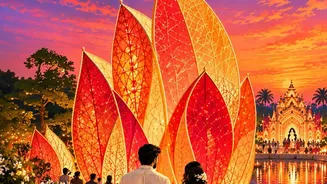
event. Since the Uttar Pradesh government began organizing the grand festival in 2017, the scale has increased exponentially each year, consistently breaking its own Guinness World Record for the 'largest display of oil lamps'. In recent celebrations, over 2.6 million diyas were lit by tens of thousands of volunteers, transforming the riverfront into a divine sea of light. For 2026, the aim is to illuminate 56 ghats, creating a truly mesmerising panorama. The reflections on the water, combined with devotional chants, create a spiritual and visual experience unlike any other.
The Core Spiritual Traditions
Deepotsav is far more than just a light show; it's a profound spiritual observance. The festival symbolises the triumph of light over darkness and good over evil. The main events for the 2026 Deepotsav are expected to take place around November 7th, the day before Diwali. A key ritual is the grand Saryu Aarti, a synchronised prayer ceremony. In past years, over 2,100 Vedic students and priests have participated in the aarti, setting another world record. The air fills with the sound of mantras and the scent of incense, drawing lakhs of devotees who come to participate in the collective prayer. Visiting the newly consecrated Ram Janmabhoomi Mandir during this period is a central part of the pilgrimage for many, though visitors should expect large crowds and plan their darshan accordingly.
Vibrant Processions and Cultural Performances
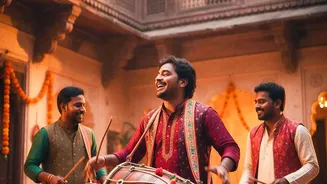
The celebration extends throughout the city with a rich tapestry of cultural events. A highlight is the 'Shobha Yatra', a grand procession featuring beautifully decorated tableaux (jhaankis) depicting scenes from the Ramayana, which travels from Saket Mahavidyalaya to Ram Katha Park. These processions are accompanied by artists performing traditional folk dances and music. The festival is a national cultural hub, with around 1,000 artists from states across India and even international Ramlila troupes invited to perform. Modern technology blends with ancient tradition through stunning laser shows, 3D projection mapping, and Ramayana-themed drone shows, where over 2,000 drones might light up the night sky to narrate epic tales.
Essential Tips for Your Visit
Planning a trip to Ayodhya during Deepotsav requires preparation, as the city draws massive crowds. It is essential to book accommodation and transport well in advance, as availability is scarce and prices surge. The festival is expected to run over several days, with the main events concentrated on November 7, 2026. Be prepared for significant walking, as vehicle access near the main festival zones and ghats is often restricted to manage the flow of people. E-rickshaws are a popular way to get around the city's narrower lanes. When visiting temples, especially the Ram Janmabhoomi complex, be aware of strict security protocols. Items like phones, wallets, and bags are typically not allowed inside the main sanctum and must be stored in lockers available nearby. Dress modestly, respecting local customs and the sanctity of the religious sites.