


The Digital Rewind on Social Media
The single biggest engine of this retro revival is the 30-second video clip. Platforms like Instagram Reels and YouTube Shorts are algorithmic treasure chests, unearthing decades-old songs and serving them to a new generation. The catchy hook of a song from
the 70s or 80s, once buried deep in a three-hour film, is now isolated and looped into a viral trend. Tracks like Lata Mangeshkar's "Aaja Piya Tohe Pyaar Doon" become the soothing soundtrack for aesthetic montages, while a peppy R.D. Burman tune might underscore a thousand dance challenges. For many in Gen Z, this is their first encounter with artists like Kishore Kumar and Mohammed Rafi, whose music is now dominating their playlists, according to streaming data. It’s a phenomenon some call the 'Reelification' of music, where short, emotionally resonant clips give old songs a second life, making them part of today's pop culture loop.
Beyond the Screen: The Live Experience
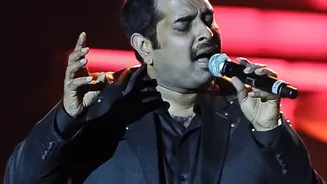
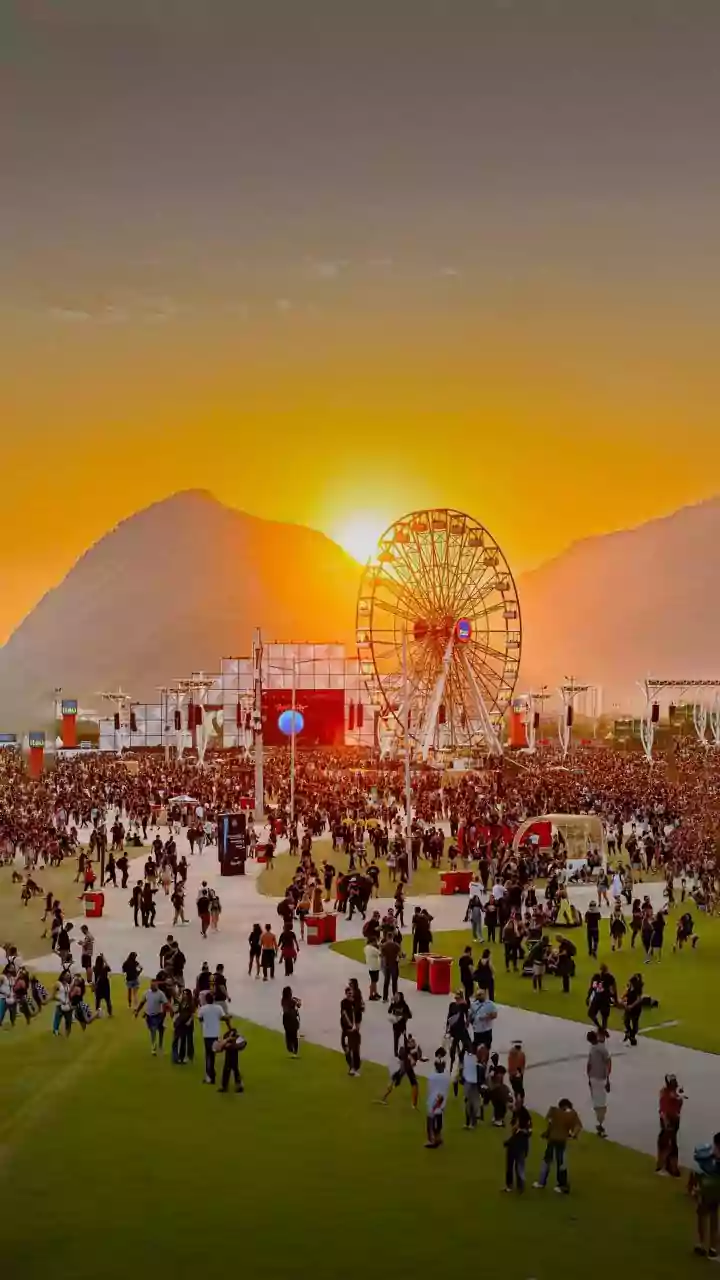
While algorithms drive discovery, the trend is cemented in the real world through live music. Younger audiences are not just passively listening; they are actively seeking out these songs in communal settings. Tribute concerts featuring retro Bollywood music are seeing renewed popularity, with entire families attending. Even mainstream music festivals, traditionally focused on current indie or electronic acts, are programming legacy artists or cover bands who perform classics, drawing enthusiastic crowds. The experience of singing along to a beloved ghazal or a classic film song with hundreds of others transforms it from a historical artifact into a living, breathing part of their own youth. This turn to live, analog experiences provides a powerful counterpoint to the digital world where the music was first discovered, making the connection feel more tangible and profound.
A Search for Soul and Authenticity
So, why the sudden appeal? For many younger listeners, older Indian music offers an emotional depth and lyrical richness they find lacking in some of today's algorithm-driven hits. Ghazals, with their poetic exploration of love, longing, and loss, are finding a new audience precisely because they offer a sense of timelessness and authenticity. Artists like the late Jagjit Singh are being rediscovered, while contemporary singers who blend traditional ghazal forms with modern sounds, such as Ali Sethi, have exploded in popularity. This is not just about nostalgia for a past they never experienced; it's a conscious choice to connect with music that feels more layered and emotionally honest. In a world of fast trends and fleeting viral moments, the intricate melodies and profound poetry of older songs provide a unique and lasting satisfaction.
The New Musical Ecosystem
This trend has created a vibrant new ecosystem where past and present coexist. Platforms like Coke Studio have been pivotal, masterfully fusing traditional folk and classical songs with contemporary arrangements, making them accessible to a younger demographic. Their success has demonstrated a clear appetite for rejuvenated classics. Music labels are taking note, re-releasing and remastering their back catalogues, sometimes in modern formats like Lo-fi to appeal directly to Gen Z's tastes. This revival also benefits the estates of legacy artists and provides a fresh wave of appreciation and revenue. Furthermore, it inspires a new generation of artists to cover, reinterpret, and draw inspiration from India's vast musical heritage, ensuring that these timeless melodies are not just remembered but actively woven into the fabric of future music.