







What is the Kharif Season?
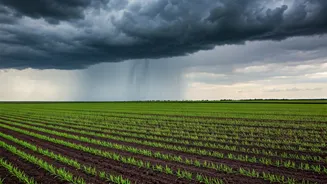
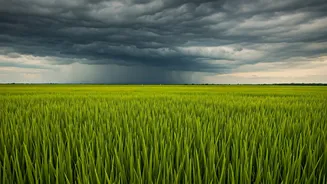
The Kharif season, also known as the monsoon crop season, is one of India's three main agricultural cycles. Its name originates from the Arabic word for "autumn," as the harvest takes place near the end of the monsoon. Sowing typically begins in June
and July with the arrival of the southwest monsoon, and crops are harvested between September and October. These crops are highly dependent on rainfall, requiring hot and humid conditions to thrive, which the monsoon provides. This reliance on natural precipitation makes the timing and distribution of monsoon rains critically important for a successful yield.
The Key Kharif Crops
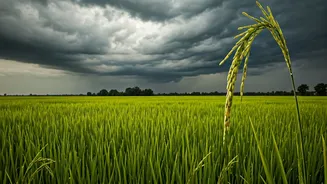
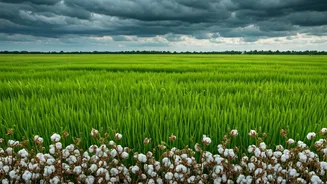
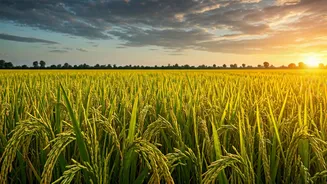
A wide variety of essential crops are grown during this season, playing a crucial role in the nation's food security and economy. Rice (paddy) is the most significant and water-intensive Kharif crop, a staple food for a majority of the population. Other major cereals include maize (corn), jowar (sorghum), and bajra (pearl millet). Cash crops are also prominent, with cotton being a major focus in states like Gujarat and Maharashtra. Oilseeds such as soybean and groundnut, along with pulses like tur (arhar), moong, and urad, are vital for providing oils and protein, respectively. Sugarcane is another important Kharif crop, though it has a longer growing cycle.
Why It Matters to Everyone
The Kharif season's performance has a direct impact that extends far beyond the farm. Agriculture contributes significantly to India's GDP, and the Kharif season accounts for a huge portion of the total food grain production. A good harvest helps keep food prices stable, controlling inflation that affects every household. The season is also a massive source of rural employment, with activities from sowing to harvesting providing livelihoods for millions of agricultural laborers. Furthermore, industries like food processing, textiles (from cotton), and sugar depend heavily on the raw materials supplied by the Kharif harvest, linking the rural economy to urban industrial output.
The Monsoon: A Critical Lifeline
The success of the Kharif season is almost entirely dictated by the southwest monsoon, which provides over 70% of India's annual rainfall. For the vast majority of Indian farmland that is rain-fed, a timely and evenly distributed monsoon is essential for everything from seed germination to crop growth. However, this dependency creates significant risk. A delayed or weak monsoon can lead to lower sowing and potential crop failure, as seen with the slow start to the 2026 season where sowing was down significantly in June due to a rainfall deficit. Conversely, excessive rainfall can cause flooding, waterlogging, and soil erosion, which are equally damaging to crops.
Kharif vs. Rabi and Zaid
To fully understand India's agricultural calendar, it's useful to know how Kharif fits with the other two seasons. The Rabi season follows Kharif, with sowing in the cooler, drier months of October and November and harvesting in the spring. Rabi crops like wheat, barley, and mustard rely more on irrigation and stored soil moisture than direct rainfall. The Zaid season is a short summer cropping period between the Rabi harvest and Kharif sowing (roughly March to June). This season is used for quick-growing crops like watermelon, cucumber, and certain vegetables, often cultivated using irrigation. Together, these three seasons ensure a continuous cycle of food production throughout the year.