


A Nut with a Noble History
The cashew’s journey to the heart of Indian kitchens is a fascinating one. It wasn't native to the subcontinent; Portuguese traders introduced the cashew tree from Brazil to Goa in the 16th century, initially to help control soil erosion. However, it didn't
take long for its culinary potential to be discovered. Locals in Goa began using the rich nut, and from there, its popularity spread across India's western coast. Over time, what started as a tool for afforestation became a prized ingredient, especially in the opulent kitchens of the Mughal emperors, who were known for their love of rich, innovative dishes. Its cost and creamy texture made it a symbol of royalty and festivity, a reputation it holds to this day.
The Creamy Heart of a Curry
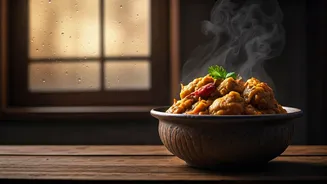
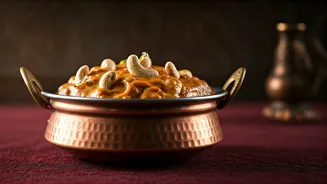
One of kaju's most significant contributions to Indian food is its ability to create exceptionally rich and creamy gravies without dairy. When soaked and ground into a fine paste, cashews become the foundation for many celebrated Mughlai and North Indian dishes. This paste gives curries like Shahi Paneer, Navratan Korma, and Malai Kofta their signature velvety texture and subtle sweetness. A star dish where cashew is the hero is Kaju Masala, also known as Kaju Curry. In this indulgent preparation, whole roasted cashews are simmered in a spiced tomato-onion gravy, creating a dish that is both rich and satisfying, often reserved for special occasions and festive meals.
Kaju Katli: The Diamond of Sweets
No discussion of kaju is complete without mentioning Kaju Katli. This iconic, diamond-shaped sweet is arguably the most famous cashew-based delicacy in India. Its origins are also traced back to the royal Mughal kitchens, where chefs created a minimalist yet luxurious sweet from finely ground cashews and sugar. Its name literally means “cashew slice.” Unlike many other Indian sweets, it is not fried and contains little to no milk, giving it a clean, melt-in-the-mouth texture. Adorned with a thin layer of edible silver leaf (varak), Kaju Katli symbolizes purity, prosperity, and celebration. It is the quintessential sweet for festivals like Diwali, weddings, and is a popular gift to share joy and good wishes.
More Than Just Gravies and Sweets
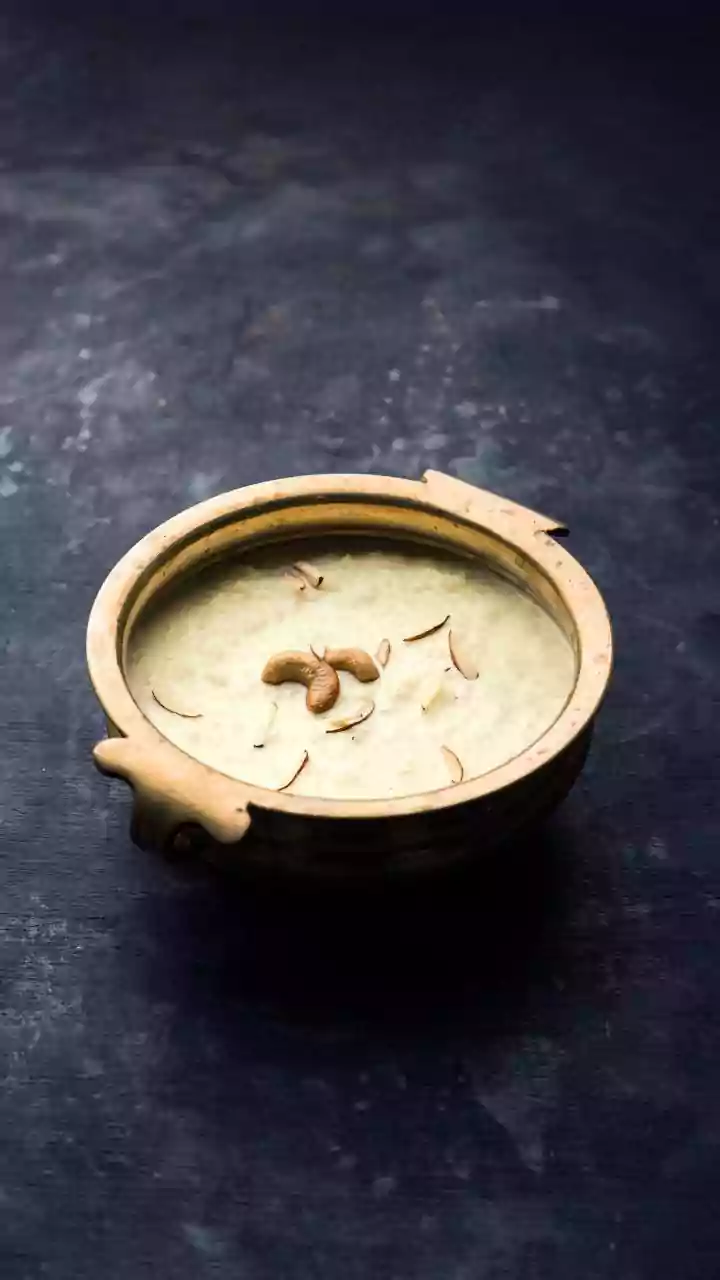
Beyond pastes and barfis, cashews are a versatile ingredient used in countless other ways. They are a classic garnish for biryanis and pulaos, where they are fried in ghee until golden brown, adding a delightful crunch and richness to the rice. In South India, cashews are stirred into dishes like payasam (a sweet pudding) and Pongal, especially during festivals, to signify abundance. They are also a popular snack on their own—roasted, salted, or spiced—and a key component of the ubiquitous dry fruit mixes exchanged during festive seasons. This adaptability is what makes kaju a true staple, appearing in everything from temple offerings to everyday snacks.
A Taste of Nostalgia
For many Indians, the flavour of kaju is deeply tied to memory and emotion. The taste of a creamy korma or a piece of Kaju Katli can transport someone back to childhood Diwali celebrations, family weddings, or the simple joy of receiving a box of mithai from a neighbour. It is a flavour associated with happiness, togetherness, and treating oneself to something special. The richness of kaju dishes is not just in their fat content but in the wealth of cultural meaning and nostalgia they carry, connecting generations through shared moments of culinary delight.