





It’s a familiar scene in homes across the country: the workday is done, but the day’s most stressful negotiation is just beginning. 'What’s for dinner?' For busy couples, this question can trigger a cascade of low-grade tension and fatigue.
Dismantling the Chore-Based Assembly Line
Traditional
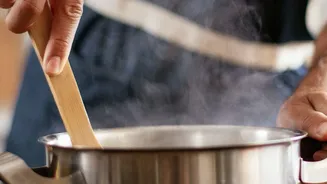
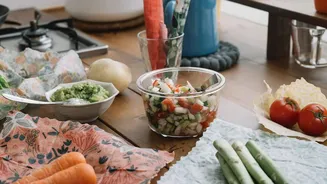
home cooking often resembles a factory assembly line with distinct, separate jobs: one person preps ingredients, one person manages multiple pans on the stove, and one (often reluctant) person faces a mountain of cleanup. This division can easily feel unequal, especially when one partner is less confident in the kitchen or when schedules are mismatched. One-pot cooking breaks this model. Because the entire meal—protein, vegetables, and starches—cooks together in a single vessel, the process becomes more fluid and collaborative. Chopping vegetables can be a shared task, and there are no complex timings to juggle between different pans. This lowers the barrier to entry, making it easier for either partner to jump in and help without needing a detailed briefing, transforming the process from a set of rigid roles into a more flexible, shared effort.
Slashing the Invisible Workload
The most draining part of weeknight cooking often isn't the cooking itself, but the 'cognitive labor' that precedes it: the meal planning, the grocery list creation, and the mental gymnastics of orchestrating a balanced meal. This invisible work, which studies show disproportionately falls on women even in dual-income households, is a significant source of burnout. One-pot meals drastically reduce this mental load. Planning is simplified to finding a single recipe. The shopping list is contained and straightforward. Execution involves a linear set of steps, not a frantic multitasking dance. This simplification makes the entire process, from conception to completion, more manageable and far easier to share.
From Kitchen Chore to Quality Time
When a task is simplified, it creates space—not just on the countertop, but in your head. Research consistently shows that cooking together can be a powerful tool for bonding, fostering communication, and strengthening a partnership. However, that’s hard to achieve when one person is stressed about a boiling pot and the other is frantically chopping an onion. The streamlined nature of a one-pot meal allows couples to turn a chore into a moment of connection. The simple, often meditative tasks of prepping ingredients can happen side-by-side, creating a low-pressure environment for conversation. It transforms 30 minutes of kitchen duty into 30 minutes of catching up, working as a team, and reconnecting after a busy day.
The Unbeatable Joy of Minimal Cleanup
Let's be honest: for many, the biggest deterrent to cooking at home is the cleanup that follows. A sink piled high with pots, pans, mixing bowls, and utensils can feel like a punishment for having a home cooked meal. This final task is a common point of friction for couples. One pot cooking delivers a powerful, tangible reward : an almost nonexistent cleanup. With just one pot or pan to wash, alongside a cutting board and a knife, the post dinner reset takes minutes, not a half hour. This single benefit removes a major source of stress and potential resentment, ensuring the evening ends on a relaxed note, preserving the goodwill built while making the meal together.