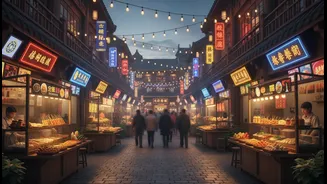









More Than Just a Menu
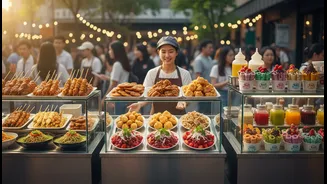
When we think of a 'khau galli' or food street, we instinctively think about the food: the vada pav, the chole bhature, the momos. But its true success lies in the atmosphere. These are not just collections of stalls; they are dynamic public stages where
the life of a city unfolds. They function as what sociologists call 'third spaces'—places outside of home and work where people can gather, interact, and build community bonds. The appeal goes beyond affordability and convenience; it’s about participating in a collective urban ritual. People from all walks of life, from college students to office workers and families, come together, blurring social and economic lines in a way few other spaces can. This shared experience is what transforms a simple lane into a vibrant cultural hub.
An Engine for the Local Economy
A thriving food street is a powerful engine for grassroots economic growth. For many, street vending is a crucial source of livelihood, offering a low-barrier entry point into entrepreneurship. This sector provides employment to millions in major Indian cities, supporting not just the vendors themselves but also local farmers and suppliers. Successful vendors can grow their small stalls into established brands, demonstrating incredible innovation and resilience. By drawing crowds, these streets also have a spillover effect, revitalizing entire neighbourhoods, boosting local tourism, and creating a sense of place that can attract further investment and activity. This economic vitality is not accidental; it’s the result of concentrating commercial energy in a way that is accessible and organic.
The Blueprint for a Great Public Space
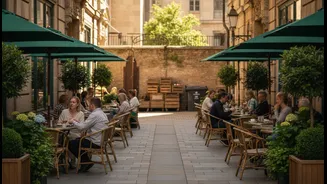
This is where the idea of a 'public-space project' becomes critical. A food street doesn't just happen; it has to be designed with intention. The difference between a chaotic, unhygienic lane and a celebrated urban destination lies in planning. Key considerations include pedestrian-only access to ensure safety, adequate lighting to create a welcoming evening atmosphere, and simple public seating that encourages people to linger. Perhaps most importantly, functional infrastructure is non-negotiable. This means providing vendors with access to clean water, electricity, and systematic waste disposal systems. Without these, even the best food can be undermined by concerns about hygiene and environmental impact. Managing traffic flow and ensuring the space is clean and safe are fundamental public service responsibilities.
Getting the Balance Right
The challenge for city planners is to formalise and support these spaces without destroying the organic charm that makes them special. Over-regulation can stifle the informal energy, while a complete lack of oversight leads to public health risks and congestion. Initiatives like the 'Clean Street Food Hub' program by the Food Safety and Standards Authority of India (FSSAI) aim to strike this balance. By working with vendors on training and providing better infrastructure, these projects seek to improve hygiene and safety standards while preserving the cultural and economic benefits. This approach recognizes that vendors are not a problem to be cleared, but partners in creating a better urban environment. When authorities view food streets as assets to be cultivated, they can unlock immense social and economic value for the city.