








A World of Turbulent Waters
From the Ganga to the Godavari, rivers are central to India's identity and economy. They provide drinking water, support agriculture, and are home to a rich variety of life. But this delicate balance is being disrupted. Recent scientific reviews confirm
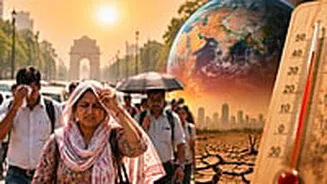
that extreme weather events are becoming more frequent and severe, putting immense stress on river ecosystems worldwide. A global synthesis of nearly a thousand case studies showed that water quality declined in the majority of instances involving floods, droughts, and heatwaves. Scientists are now moving beyond just tracking these changes to understanding the complex, cascading impacts on the biodiversity that underpins river health.
Floods: A Scourge of Excess
While seasonal flooding can be a natural and even beneficial part of a river’s cycle, extreme floods have a much darker side. These intense events can drastically alter the physical shape of a river, scouring the riverbed and washing away habitats. A meta-analysis of dozens of studies found that such extreme hydrological events substantially reduce the richness of species, particularly invertebrates that form the base of the aquatic food web. Floods also carry massive amounts of pollutants, nutrients, and sediments from land into the water, which can lead to a sharp decline in water quality and trigger outbreaks of water-borne diseases. For aquatic life, it’s a chaotic battle for survival against powerful currents and contaminated water.
Droughts: When the Lifeline Runs Dry
At the other extreme, droughts pose an equally grave threat. As water levels drop, habitats shrink and become fragmented, trapping fish and other organisms in isolated pools. In these crowded conditions, water quality plummets as temperatures rise and dissolved oxygen levels fall, creating lethal conditions. Scientists have found that dryness associated with the interruption of a river's flow causes some of the largest negative effects on river life. A prolonged lack of water not only impacts the organisms living in it but also affects the river's fundamental processes, like the decomposition of organic matter, which is vital for nutrient cycling. In some cases, severe droughts can completely alter river ecosystems, allowing invasive species that are better adapted to the harsh conditions to take over.
Heat: The Invisible Threat
Rising water temperature is a more insidious but equally powerful stressor. As global air temperatures climb, so do the temperatures of rivers and streams. Many freshwater species, like certain types of fish, can only survive within a narrow temperature range. Warmer water holds less dissolved oxygen, essentially making it harder for aquatic life to breathe. Research shows this is already causing a decline in cold-water species, while more adaptable warm-water species expand their range. These thermal changes can also increase the toxicity of certain pollutants and lead to more frequent and harmful algal blooms, which create 'dead zones' that are unable to support life. In 2023, a severe drought combined with a heatwave in the Amazon led to water temperatures exceeding 37°C, causing massive fish die-offs and showing that even tropical systems are approaching their thermal limits.
Why This Matters for India's Future
The findings from these global studies are a stark warning for India, a nation whose water security is inextricably linked to the health of its rivers. The increasing frequency of extreme events—from devastating floods in the Brahmaputra basin to recurring droughts in the peninsula—is not just a weather phenomenon; it's an ecological crisis in the making. The biodiversity within these rivers is not just a matter of conservation. It performs essential services, from helping to purify water to supporting fisheries that feed millions. The loss of this biodiversity could compromise the resilience of our rivers, making them less able to cope with future shocks. Although much of the current data comes from North America and Europe, scientists have called for better water quality monitoring in Asia to fully grasp the scale of the challenge.