






First, What Are Making Charges?
Making charges are the fees you pay for the craftsmanship involved in turning raw gold into a piece of jewellery. This includes designing, cutting, shaping, and polishing. They are not a fixed cost and can range from as low as 6% to over 25% of the gold's
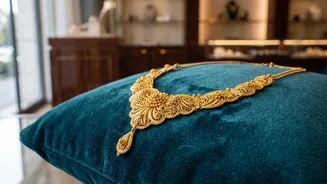
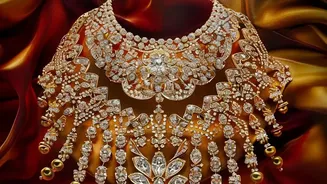
value. These charges can be calculated in two main ways: as a percentage of the gold's value or as a fixed rate per gram. An intricate, handcrafted necklace will naturally have higher making charges than a simple, machine-made chain of the same weight. Since these charges are not recovered when you sell or exchange the jewellery, minimising them is key to a smart purchase.
Branded Showrooms: Transparency at a Price
Large, established brands like Tanishq, Kalyan Jewellers, or Malabar Gold offer a sense of trust, with assured purity (BIS Hallmark) and a consistent in-store experience. Their making charges are often higher and usually fixed, with less room for negotiation. However, their strength lies in transparency and festive offers. During Dhanteras and Diwali, these chains often roll out special promotions like a flat percentage off on making charges or even 'zero making charge' offers on select collections. While you might pay a premium for the brand, these official discounts can sometimes result in a great deal, especially on bridal or high-value purchases.
Local Jewellers: The Art of Negotiation
Your trusted neighbourhood jeweller is where you have the most bargaining power. While他们的making charges might not be advertised as prominently, they are often lower to begin with and more flexible. Building a relationship with a local jeweller can lead to better deals over time. Don't hesitate to negotiate; many are open to it, especially for regular customers or large purchases. The key is to be informed. Before entering the store, know the day's gold rate. Ask for a complete price breakdown, separating the gold value, making charges, and GST. Getting quotes from at least two or three different jewellers gives you a powerful tool for comparison and negotiation.
Online Retailers: Lower Overheads, Wider Choice
Online jewellery platforms have become a popular option, often boasting lower making charges due to reduced overhead costs like rent and staffing. They offer the convenience of browsing thousands of designs from home and provide clear price breakdowns, making comparisons easy. Reputable online sellers provide BIS hallmarking and secure, insured delivery. Look for festive sales and coupon codes, which are common in the digital space. The main drawback is that you cannot see or feel the jewellery before buying. Always check the seller's reputation, return policies, and ensure they provide hallmarking certification for every piece.
Actionable Tips for Every Buyer
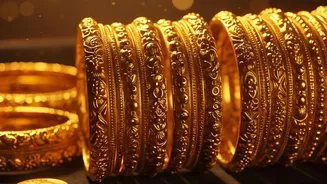
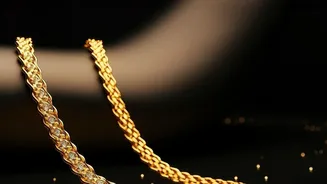
Regardless of where you shop, a few rules always apply. First, always ask for making charges as a fixed amount per gram, not just a percentage, as this makes comparison easier. Second, look for Dhanteras-specific offers, which can include significant waivers on making charges. Third, for simpler, machine-made items like plain chains or bangles, expect lower making charges (around 6–10%) compared to intricate, handmade pieces (15–25%). Finally, while saving on making charges is important, never compromise on purity. Insist on BIS hallmarked jewellery with the 6–digit HUID code to guarantee the authenticity of your gold.