







The Allure of the Wellness Elixir
Walk down any supermarket aisle and you’ll see them: brightly packaged bottles promising everything from 'functional hydration' to 'Ayurvedic balance'. [16] These wellness drinks, often infused with exotic herbs, vitamins, and electrolytes, have become
a status symbol. [21] They are marketed as a sophisticated shortcut to health, an easy way to feel like you’re investing in your well-being. The appeal is understandable. In our fast-paced lives, the idea of drinking your way to better health is incredibly tempting. But this multi-billion dollar industry is built more on marketing savvy than on proven science. The promises are often vague, the active ingredients minimal, and the price tags consistently high.
The Unglamorous, Unbeatable Power of Water
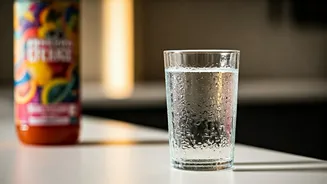
Before you spend a small fortune on a designer beverage, let’s revisit the basics. Your body is composed of about 60% water. [5] This single, simple ingredient is essential for nearly every bodily function. It regulates body temperature, lubricates joints, aids digestion, and helps flush out toxins. [4] Proper hydration is linked to better cognitive function, higher energy levels, and healthier skin. [2, 4] Unlike most bottled wellness drinks, safe water does its job without adding unnecessary sugars or calories to your diet. For the vast majority of people, water is sufficient for hydration, helping muscles and joints work better while preventing fatigue and cramps. [20] It is, quite simply, the most essential nutrient for life. [3, 5]
What's Really in Those Bottles?
Many so-called 'health' and 'sports' drinks are little more than glorified sugar water. [15] A single bottle can contain a shocking amount of added sugar, sometimes as much as a can of soda. [13, 23] This high sugar content can lead to weight gain, blood sugar spikes, and an increased risk of heart disease and type 2 diabetes. [10, 14, 23] Even drinks marketed for athletes often contain more sugar than is necessary for a typical workout, while offering insufficient electrolytes to make a significant difference. [22, 24] While they may be useful for elite athletes during prolonged, intense exercise, for the average person enjoying a 45-minute gym session or just going about their day, these drinks provide empty calories that can undermine health goals. [17, 24]
The Privilege of Choice
The debate between water and wellness drinks highlights a significant privilege. For a huge portion of India's population, the primary concern isn't which beverage offers the best functional benefits, but where to find any safe drinking water at all. According to a NITI Aayog report, nearly 600 million Indians face high to extreme water stress, and about 200,000 people die each year due to inadequate access to safe water. [7, 9] The report also highlighted that nearly 70% of India's water supply is contaminated. [7, 19] This stark reality puts the trend of expensive wellness drinks into perspective. It underscores that for a large part of the nation, securing this basic human right remains a life-or-death struggle. [3, 12]
Getting Your Priorities Straight
Focusing on expensive wellness fads can distract from the non-negotiable foundations of good health. Before seeking out a drink with added nootropics for focus or adaptogens for stress, ask yourself if you are consistently getting the basics right. Are you drinking enough water throughout the day? Is your diet rich in whole foods? Are you getting regular exercise and adequate sleep? Many traditional Indian beverages like buttermilk (chaas), coconut water, and lemon water offer natural hydration and digestive benefits without the high price and added sugars. [11, 18, 26] These have been staples for generations for a reason: they are simple, effective, and align with a balanced approach to health.