




Why Monsoon Messes With Your Gut
The arrival of the rains is a cherished moment, but it also creates a perfect storm for digestive issues. The high humidity and dampness are not just uncomfortable; they create an ideal environment for harmful bacteria and viruses to thrive on food and in water.
This increases the risk of stomach infections, gastroenteritis, diarrhoea, and food poisoning. Simultaneously, our body's internal processes change. According to health experts and Ayurvedic principles, the high humidity can slow down our metabolism and digestive fire, or 'Agni'. This means food takes longer to process, leading to common complaints like bloating, gas, acidity, and a general feeling of heaviness after meals. This combination of a compromised immune system and sluggish digestion makes gut health a top priority during this season.
Fermentation to the Rescue
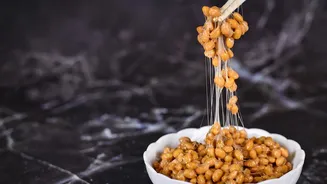
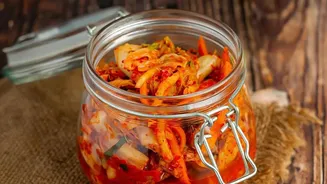
This is where fermented foods step in as a time-tested solution. Fermentation is a natural process where microorganisms like bacteria and yeast break down components in food. This process not only preserves the food but also creates beneficial compounds, most notably probiotics. Probiotics are live, good bacteria that are crucial for a healthy gut. They work by restoring the balance of your gut microbiome—the community of trillions of microbes living in your digestive tract. A healthy, diverse microbiome is essential for smooth digestion, strong immunity, and even nutrient absorption. When you consume fermented foods, you introduce these beneficial microbes into your system, which can help crowd out harmful pathogens, reduce inflammation, and support your digestive system when it's most vulnerable.
India's Traditional Probiotic Powerhouses
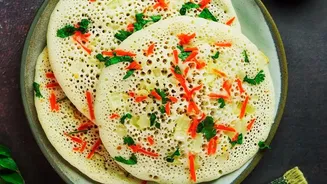
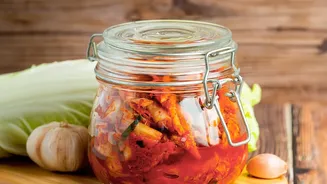
The good news is that you don't need to look for exotic or expensive supplements. The Indian kitchen is already a treasure trove of probiotic-rich fermented foods that have been part of our culinary heritage for centuries. The most common and accessible is Dahi (curd or yogurt), a staple in households across the country known for cooling the stomach and aiding digestion. South Indian staples like Idli and Dosa are made from a fermented batter of rice and lentils, which makes them light and easy to digest. Similarly, the Gujarati snack Dhokla is made from a fermented batter of rice and chickpeas. Other regional gems include Kanji, a tangy North Indian drink made from fermented black carrots or beetroot, and Pakhala, a fermented rice dish from Eastern India. Even traditional pickles (achaar), when naturally fermented and not commercially produced with excess vinegar, can be a good source of probiotics.
Simple Ways to Boost Your Intake
Incorporating these foods into your monsoon diet is simple. Start your day with idli or dosa for a light, gut-friendly breakfast. Add a bowl of fresh, homemade dahi or a glass of buttermilk (chaas) to your lunch to aid digestion. A small portion of a homemade pickle can act as a digestive aid with your meals. Instead of reaching for fried snacks, a plate of steamed dhokla is a much healthier choice. It's important to prioritise freshly cooked meals, as food spoils faster in the humid weather. While there's a myth to avoid curd during the monsoon, most experts agree that fresh, room-temperature curd consumed during the day is highly beneficial. The key is moderation and listening to your body.