





Our Land, Kerala: An Island of Your Own
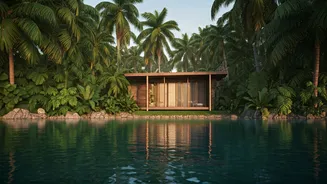
When the brief is 'ultra-private', it doesn’t get more exclusive than having an entire island to yourself. Nestled in the vast expanse of Kerala’s Vembanad Lake, Our Land is a singular experience. It’s a beautifully restored traditional wooden house,
accessible only by a short canoe ride, sitting on a tiny, self-contained island. This isn't just a cabin; it's your personal sliver of the backwaters. The property is powered entirely by solar energy and champions a zero-waste policy, making your seclusion deeply sustainable. Here, privacy means no other guests, no shared spaces, and no noise except for the birds and the gentle rhythm of the water. Your day is dictated by the sun and your whims—whether it’s bird-watching from the verandah, trying your hand at fishing with the provided rods, or simply losing yourself in a book as houseboats drift by in the distance.
Xandari Pearl, Marari Beach: Coastal Seclusion
While the backwaters offer tranquil lake views, the coast provides the lullaby of the ocean. On the shores of Marari, one of Kerala’s quieter fishing beaches, Xandari Pearl redefines the beach getaway. Instead of a monolithic hotel, the property features 27 private villas scattered across 18 acres of lush greenery, each with its own garden and some with private plunge pools. The design philosophy embraces nature, not taming it. You are a short, sandy-toed walk from the Arabian Sea, but you feel worlds away from any crowds. The 'eco' in its DNA is evident in its commitment to the local community—working with local fishermen, maintaining an organic garden that supplies its kitchen, and consciously avoiding the loud, commercialised aspects of tourism. There are no televisions in the rooms, a deliberate choice to encourage guests to connect with their serene surroundings.
The Backwater Farmhouse, Near Alappuzha: Rustic Authenticity
For those who seek privacy rooted in authenticity, smaller homestays and farmhouses offer an unparalleled connection to the local way of life. Tucked away on the banks of a river near Alappuzha, properties like The Backwater Farmhouse provide an intimate experience. Often run by families, these eco-conscious stays consist of just a few cottages, ensuring a peaceful environment. The focus here is on slow living. The waterfront is your front yard, where you can watch villagers go about their day in small canoes. The food is typically hyper-local, often cooked with ingredients grown on the property itself. This isn't polished, five-star luxury; it is the luxury of simplicity, silence, and genuine hospitality. The eco-friendly practices are inherent—from rainwater harvesting to organic farming—born from a deep-rooted respect for the land passed down through generations.
What Makes a Stay 'Eco'?
The term 'eco' is used widely, but what does it really mean in this context? A true eco-cabin goes beyond just being in nature. It's about a symbiotic relationship with the environment. Look for key indicators: sustainable building materials (local wood, bamboo, repurposed elements), renewable energy sources (especially solar panels), and effective waste management (composting, recycling, avoiding single-use plastics). Furthermore, a genuine eco-resort integrates with the local community, providing employment and supporting local economies rather than isolating itself. It encourages mindful consumption, from water usage to food sourcing. Choosing such a property means your peaceful retreat also contributes positively to the preservation of the beautiful landscape you’re there to enjoy.