


The Foundation: Pots, Soil, and Sun
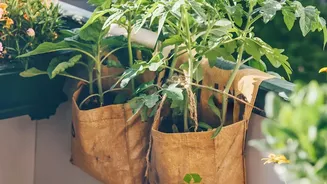
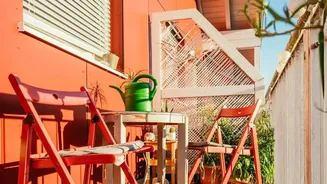
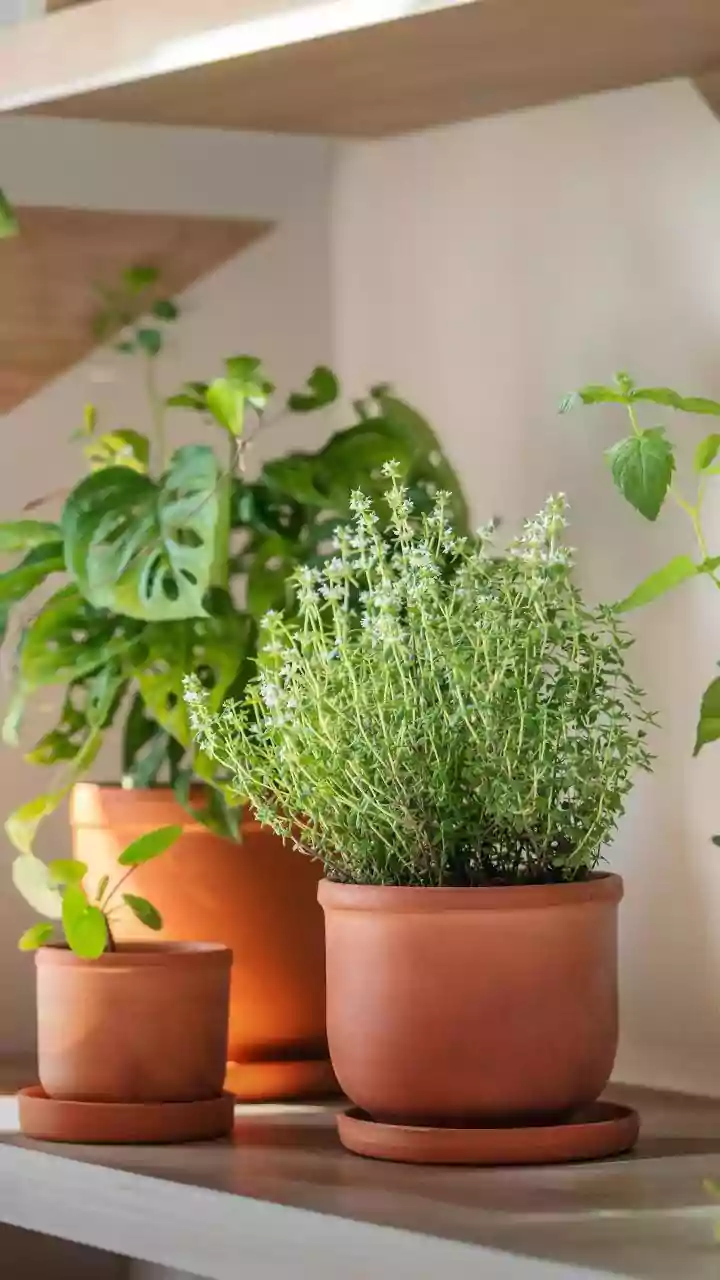
Before you start, get the basics right. Choose pots at least 8-10 inches in diameter with drainage holes to prevent waterlogging. For soil, a ready-to-use organic potting mix is your best bet. These mixes are lightweight and formulated with ingredients
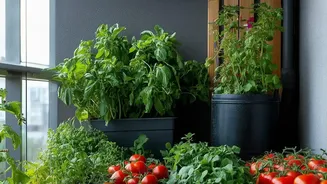
like cocopeat and vermicompost, which provide excellent drainage and nutrition for herbs. Most herbs, including basil, mint, and curry leaves, thrive in the sun. Find a spot on your balcony that receives at least four to six hours of sunlight daily. An east-facing balcony is often ideal, providing gentle morning sun without the harsh afternoon heat.
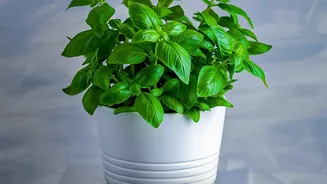
Your Guide to Growing Basil (Tulsi)
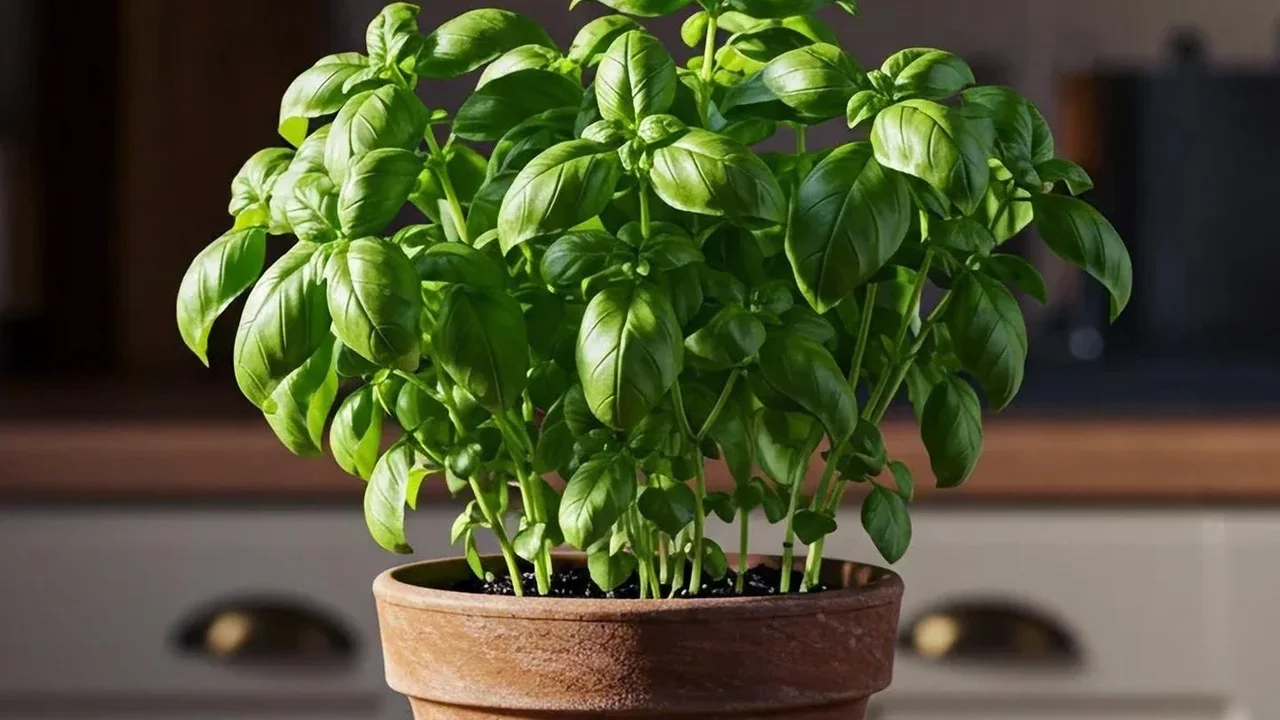
Basil, or Tulsi, is a staple in many Indian homes and is wonderfully easy to grow. It loves warmth and a solid 6-8 hours of sunlight for the best flavour. Water your basil plant when the top inch of soil feels dry, typically every 2-3 days in warmer weather. Avoid getting the leaves wet to prevent fungal issues. The most important trick to a bushy basil plant is regular pruning. Once the plant is about six inches tall, start pinching off the top sets of leaves. This encourages the plant to grow outwards rather than just upwards. Also, be sure to pinch off any flower buds that appear; this keeps the plant focused on producing flavourful leaves, not seeds.
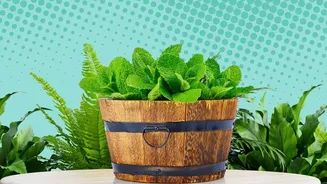
Mastering Mint (Pudina)
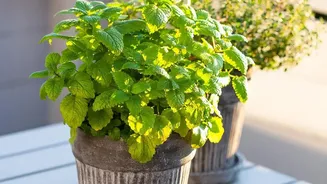
Mint, or Pudina, is famously vigorous and provides an endless supply for teas and chutneys. The most critical piece of advice for growing mint is to keep it in its own pot. Its roots spread aggressively and will quickly take over any shared space. You can easily start a new plant from a cutting. Just place a healthy stem in a glass of water, and you'll see roots appear in about a week. Once rooted, plant it in a pot with well-draining soil. Mint enjoys moist soil and a good amount of sun but can also tolerate some partial shade. Harvest leaves often by snipping stems; this encourages fuller growth and gives you plenty of fresh mint to enjoy.
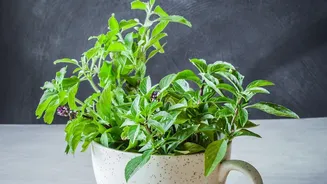
Caring for Your Curry Leaf Plant (Kadi Patta)
The curry leaf plant, or Kadi Patta, is a small tree that adds an irreplaceable aroma to Indian cooking. Unlike basil and mint, it's a slower grower but very rewarding. It thrives in a well-draining pot and needs at least 6-8 hours of sunlight. A spot with morning sun and some afternoon shade is perfect to prevent leaf scorch. Allow the soil to dry out slightly between waterings, as overwatering can lead to root rot. Pruning is key to making your curry leaf plant bushy. Regularly trim the tips of the branches to encourage new, leafy growth. You can start harvesting leaves once the plant is well-established, usually after the first year. Fertilise during the main growing seasons of spring and summer.
Handling Common Pests Naturally
Even on a balcony, you might encounter a few pests like aphids, spider mites, or mealybugs. These tiny insects often hide on the undersides of leaves and suck the sap from your plants. A simple and effective first line of defense is a strong spray of water to dislodge them. For more persistent issues, neem oil spray is an excellent organic solution. Mix a few drops of neem oil with water and a little liquid soap, and spray it on the plants in the evening to avoid burning the leaves. Companion planting can also help; herbs like mint and basil naturally repel some common pests.