



The Dawn of the 'Workation'
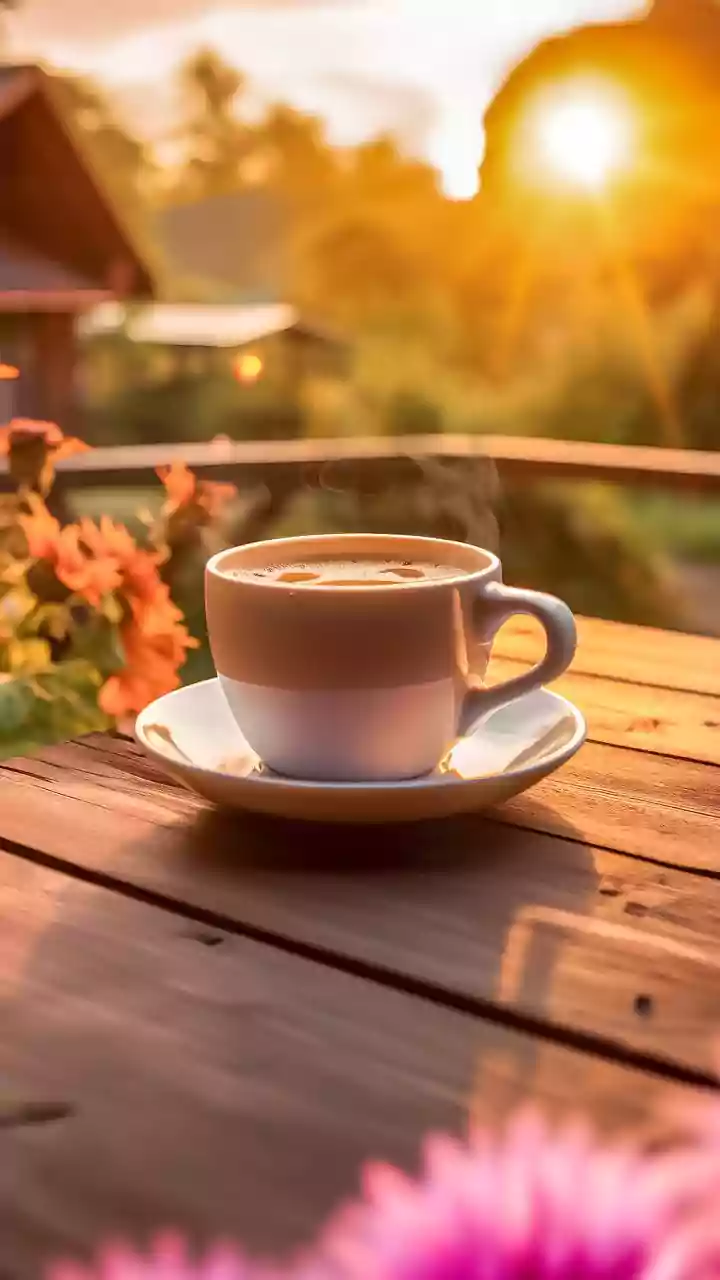
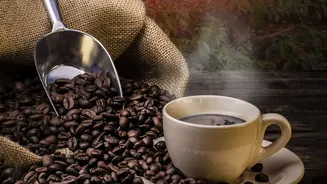
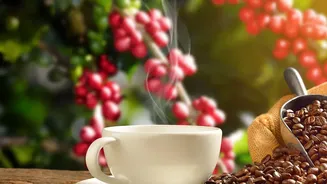
Imagine starting your workday not with the blare of traffic, but with the aroma of freshly brewed coffee from the estate you're living on. This isn't a distant dream but a reality for a new wave of Indian professionals. The pandemic normalised remote
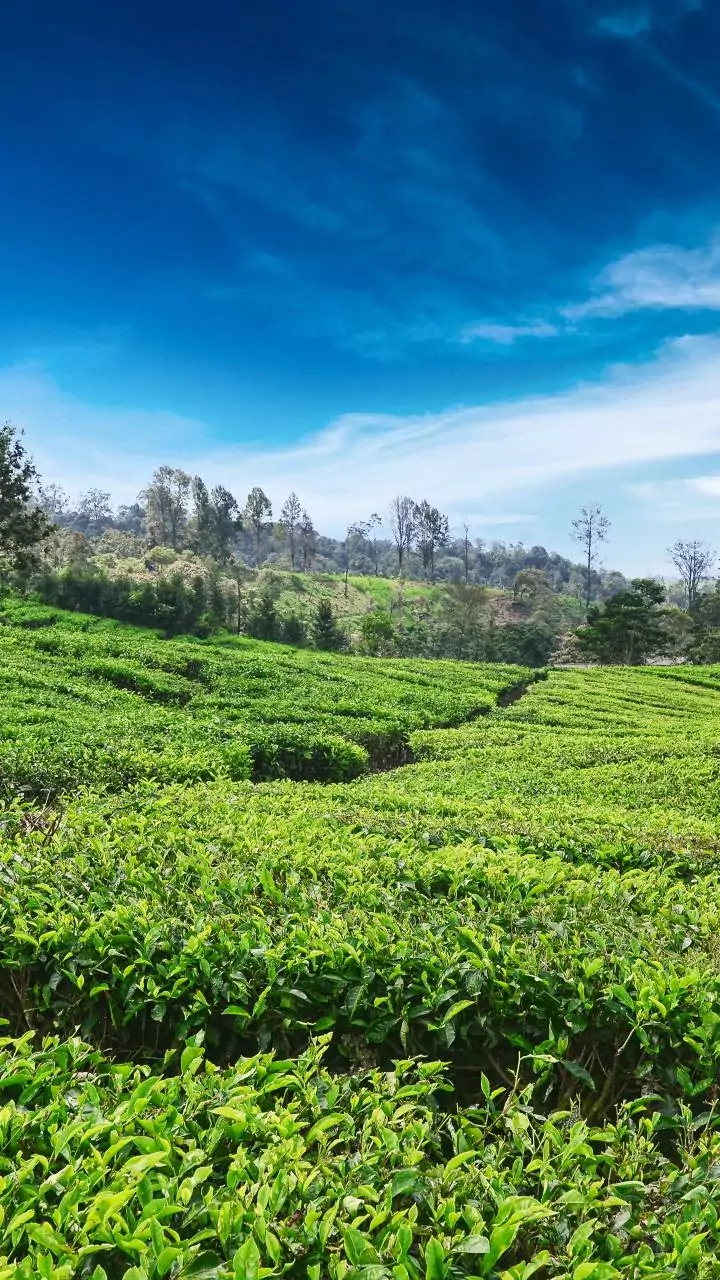
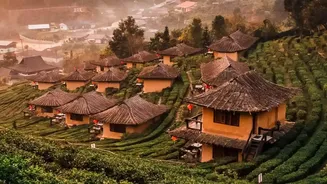
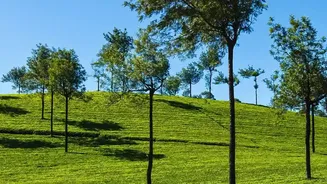
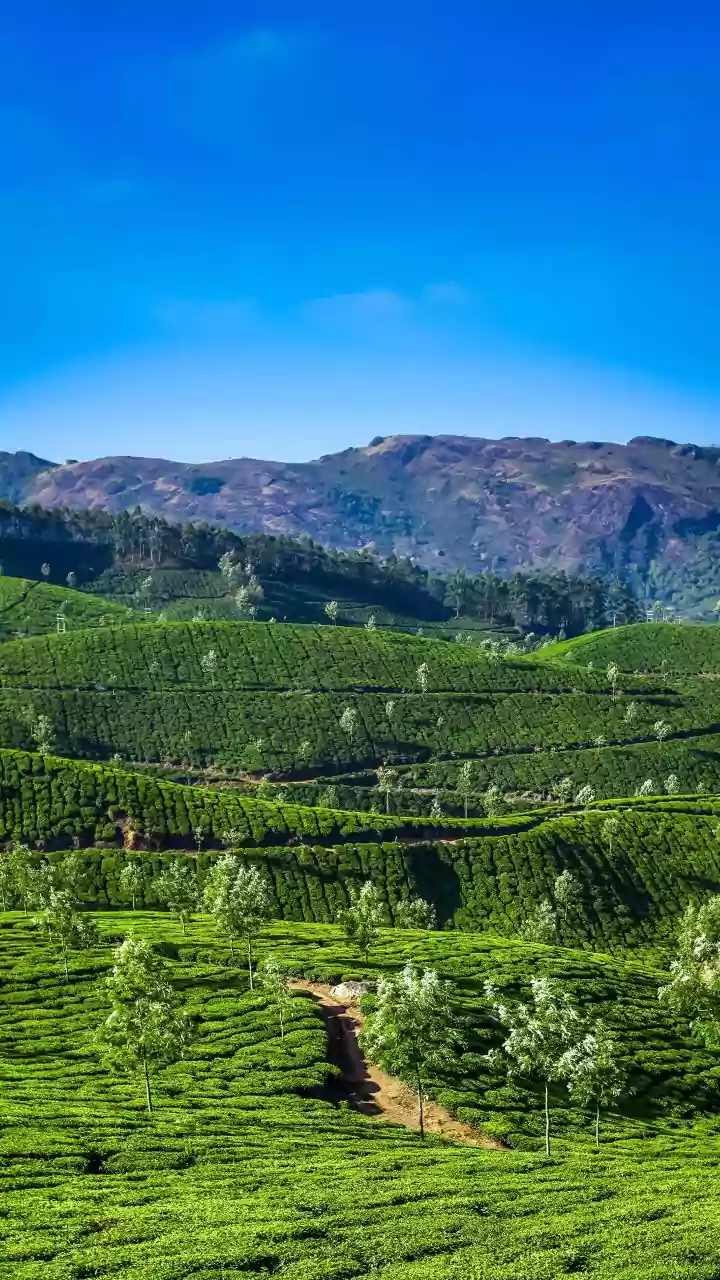
work, but the initial euphoria of working from home has, for many, given way to burnout and isolation. In response, professionals are seeking a better balance, and they're finding it in the rolling hills of Coorg, also known as the 'Scotland of India'. This trend, popularly called a 'workation', blends productivity with the leisure and rejuvenation of a vacation. Instead of a cramped apartment, the backdrop to their Zoom calls is a lush panorama of coffee and spice plantations.
Why Tier 2 Talent is Leading the Charge
Interestingly, this migration isn't just coming from bustling metros like Bengaluru or Mumbai. A significant portion of these digital nomads hail from Tier 2 cities such as Mysore, Mangalore, Coimbatore, and Kochi. Having already opted for a slower pace of life compared to Tier 1 cities, these professionals are now taking the next logical step. The monotony of the home office has become its own kind of trap. Recent data indicates a major shift in workforce priorities, with a majority of professionals now saying they 'work to live', not the other way around. The high cost of living and saturated markets in major metros have made Tier 2 cities talent hubs, and these workers are now leveraging their remote flexibility to seek an even higher quality of life.
Coorg's Alluring Proposition
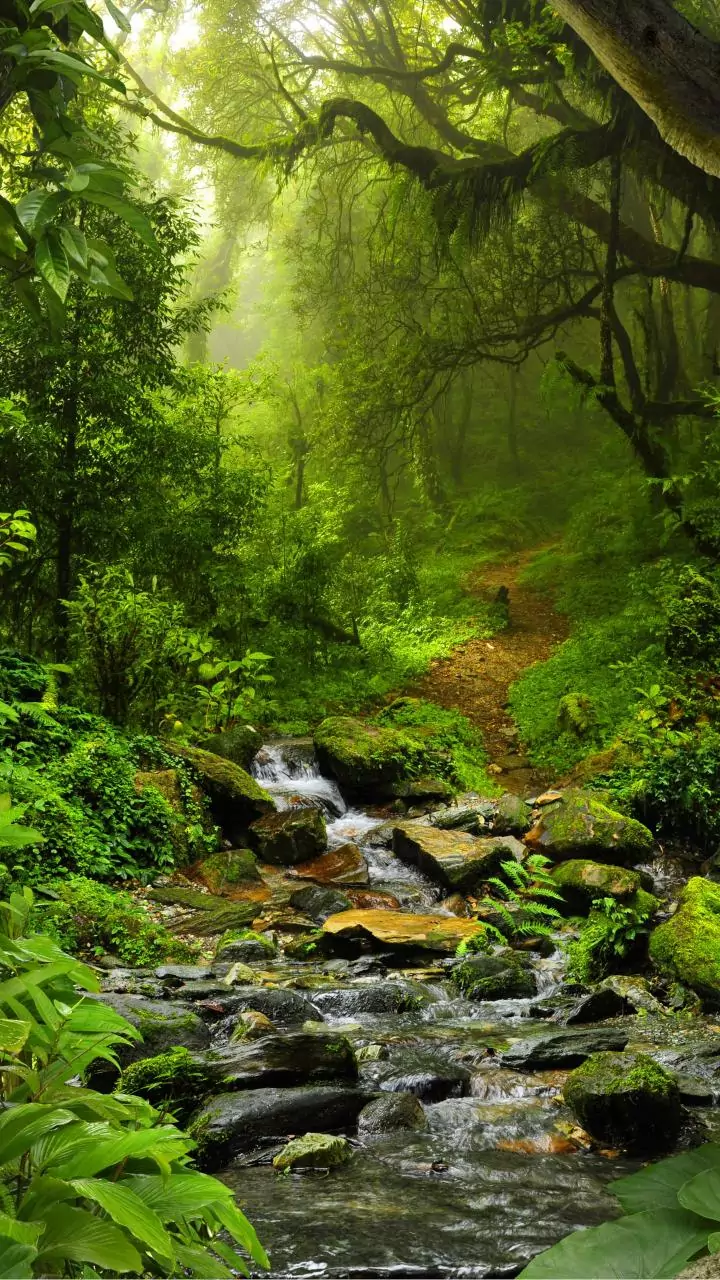
So, what makes Coorg the destination of choice? The appeal is multi-faceted. Beyond the obvious scenic beauty and tranquil environment, local homestays and estate owners have been quick to adapt to this new clientele. Many now offer long-stay packages with discounted monthly rates, transforming traditional holiday homes into productive workspaces. A key concern for any remote worker—internet connectivity—has been proactively addressed. Properties now advertise high-speed Wi-Fi, dedicated workstations, and even power backups, ensuring that a video call from a plantation is as seamless as one from a city office. After logging off, professionals can trek through verdant hills, explore stunning waterfalls like Abbey and Iruppu Falls, or learn about the coffee cultivation process firsthand.
More Than Just a Pretty View
This trend is creating a symbiotic relationship. For remote workers, it's a cost-effective way to improve mental health and find inspiration in nature. For Coorg's local economy, it provides a steady stream of income, especially outside the peak tourist seasons. These long-term visitors support local cafes, shops, and tour operators, contributing more consistently than weekend tourists. Homestay owners, who often serve traditional Kodava cuisine like Pandi Curry and Kadubu, get to share their unique culture with a new audience. This arrangement allows for a deeper cultural immersion for the visitor and a more stable business model for the host. Many properties are family-run estates, and this trend helps them sustain their heritage and livelihood in the face of fluctuating coffee prices and labour challenges.
The Practical Side of Paradise
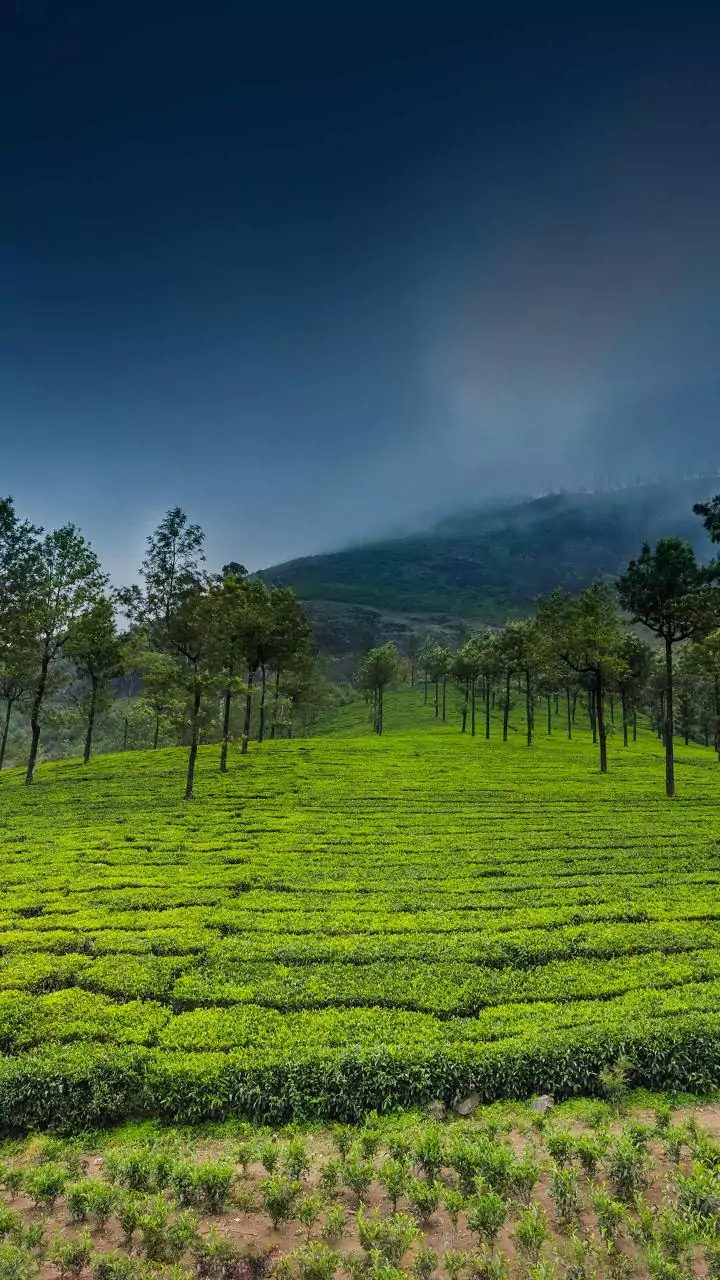
While the idea is romantic, a successful workation requires planning. The best time to visit is generally from October to March, post-monsoon, when the landscape is lush and green. However, some prefer the magic of the monsoons from June to September. Prospective workationers should verify the internet speeds and power backup situation with their chosen homestay before booking. While many places are well-equipped, reliability can vary in more remote estates. It’s also a lifestyle that requires a degree of self-discipline to ensure work deadlines are met amidst the temptations of nature. But for those who can strike the right balance, the reward is a fulfilling integration of professional ambition and personal well-being, proving that a productive day's work and a peaceful life don't have to be mutually exclusive.