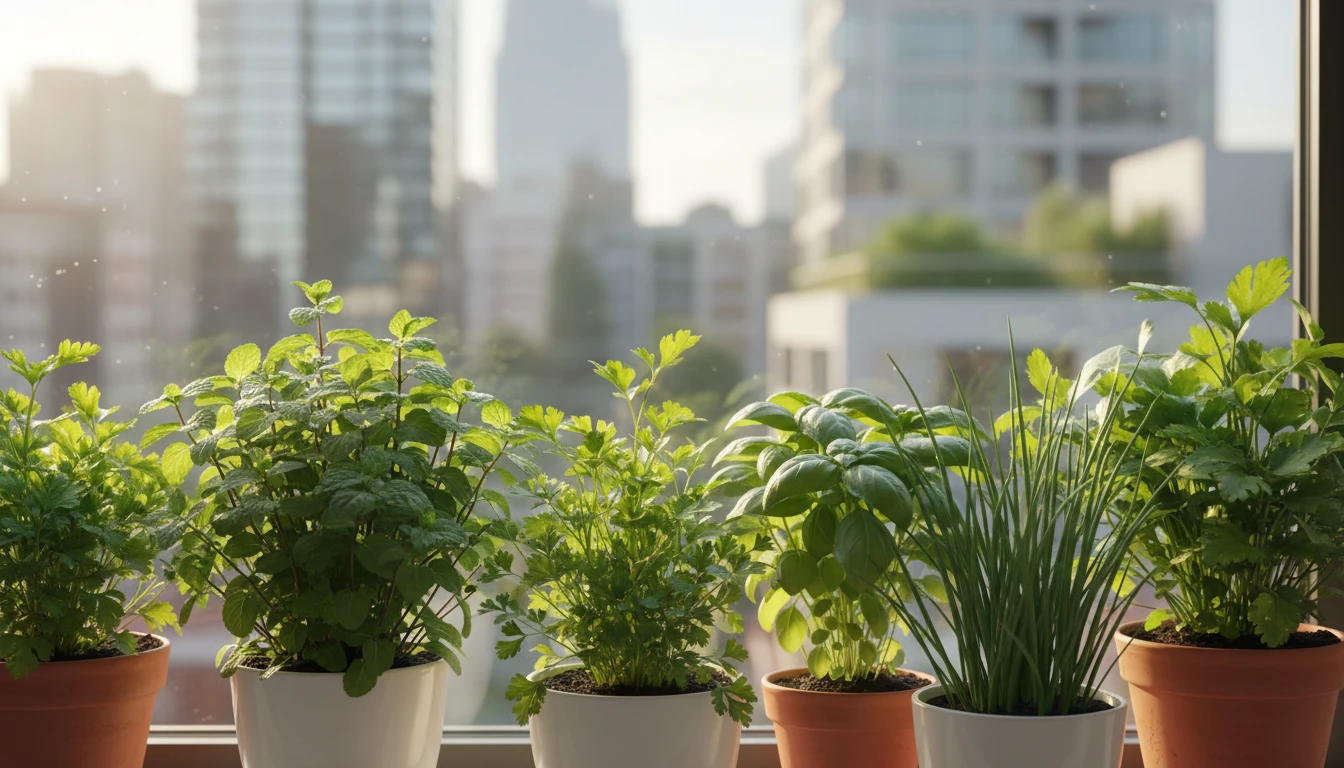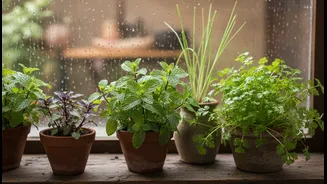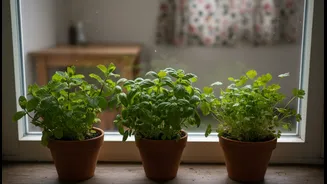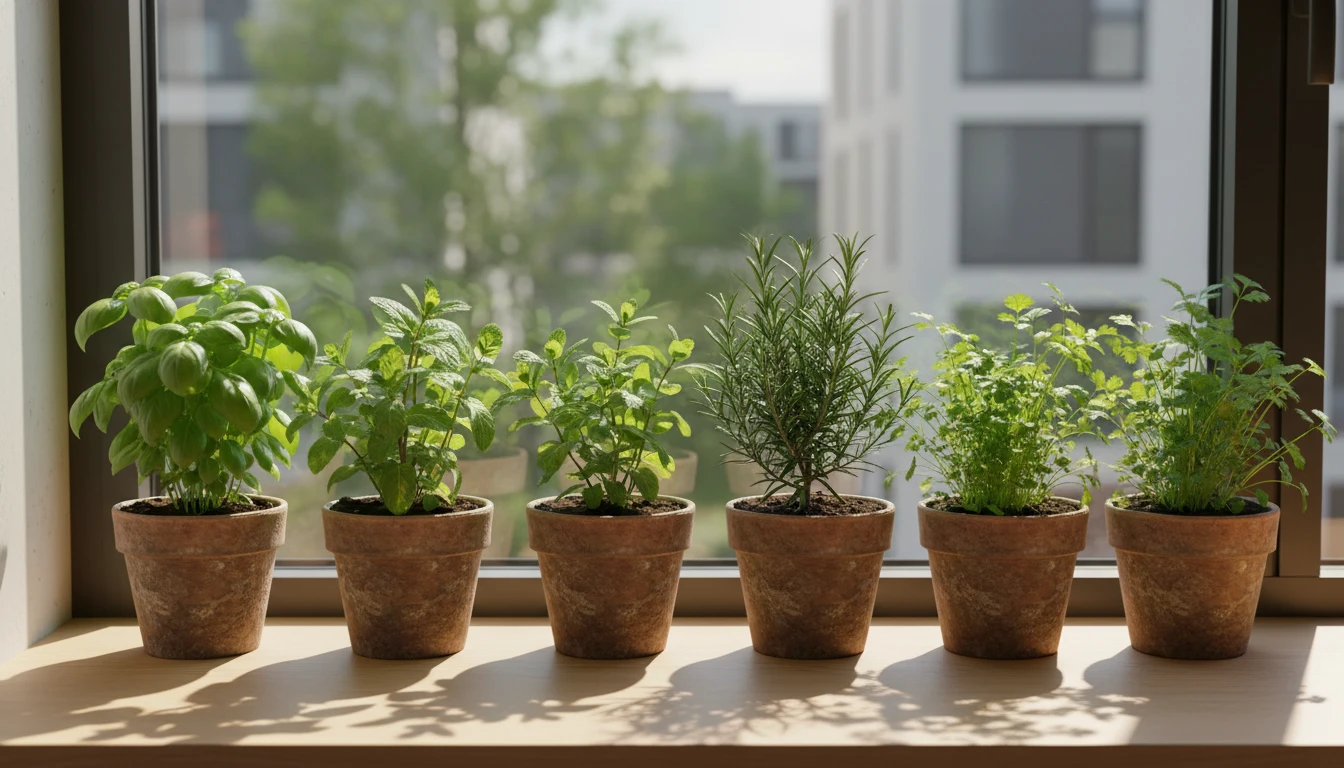




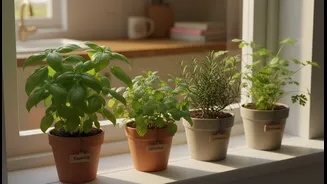




The Power of Sensory Gardening
Before we dive into specific plants, it's worth understanding why this practice is so impactful. Engaging with plants through what is known as 'sensory gardening' connects us to nature on a deeper level. The simple act of touching a soft leaf, smelling
a fresh aroma, or tasting a homegrown herb can be a powerful form of mindfulness. This interaction helps reduce stress, improve mood, and ground you in the present moment. Cultivating plants that are both aromatic and edible means you get a double reward: a calming sensory experience and a fresh, flavourful ingredient. It transforms your balcony or windowsill into a small sanctuary that nurtures both body and soul.
The Magic of Mint (Pudina)
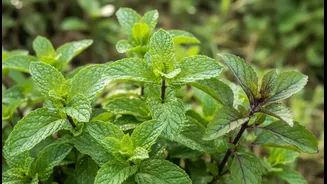
Mint is arguably one of the easiest and most rewarding herbs to grow in an Indian home. Its refreshing, cool aroma is instantly uplifting. Just brushing past a mint plant releases a wave of invigorating fragrance. The daily ritual of watering it and seeing it thrive provides a small but consistent sense of accomplishment. The real magic happens when you pluck a few leaves. Muddle them into a glass of water for a refreshing drink, drop them into your morning chai for a zesty twist, or whip up a quick pudina chutney. That simple act of harvesting something you've grown provides a powerful connection to your food and a moment of genuine self-care. Mint is known for its ability to energize the mind and soothe digestion, making it a wellness powerhouse hiding in a simple pot.
The Sacred Calm of Holy Basil (Tulsi)
For centuries, Tulsi has held a sacred place in Indian households for its spiritual and medicinal properties. Beyond tradition, growing Tulsi is a rewarding daily practice. Its unique, slightly spicy and sweet aroma is known to be a natural stress-reliever. Tending to a Tulsi plant can be a calming morning ritual. The simple act of plucking a leaf or two for your tea is an act of wellness in itself. Tulsi tea is renowned for its ability to boost immunity and promote mental clarity. Having fresh, pesticide-free leaves available turns a simple cup of tea into a potent health ritual. This plant doesn’t just decorate your home; it actively contributes to a calmer, healthier state of being.
The Zest of Lemongrass
With its bright, citrusy scent, Lemongrass is like sunshine in plant form. It’s remarkably easy to grow in a pot and its tall, grass-like leaves add a touch of green elegance. The aroma itself is a natural mood-booster and can help reduce feelings of anxiety. The daily reward comes from using it. Snip a stalk and bruise it to release its essential oils before adding it to boiling water for a fragrant, digestive-aiding tea. You can also add it to soups, curries, and broths for a fresh, zesty flavour. The process of preparing lemongrass—the crisp snap of the stalk, the burst of citrus scent—is a sensory experience that can make cooking feel less like a chore and more like a creative, rewarding activity. Its anti-inflammatory properties are an added bonus.
The Freshness of Coriander (Dhania)
No Indian kitchen is complete without the fresh, unmistakable aroma of Coriander, or Dhania. Growing your own ensures you have a constant supply, free from pesticides. The leaves, with their floral, citrusy notes, are delicate and best added at the end of cooking to preserve their flavour. The daily reward of growing coriander is the ability to snip a handful of fresh leaves to garnish a dal, curry, or salad, instantly elevating the dish. This simple act connects you directly with the food you're about to eat. Even the stems are packed with flavour and can be finely chopped and added to the base of curries. Beyond its culinary uses, coriander is rich in vitamins and aids in digestion.