







The Electric Vehicle Conundrum
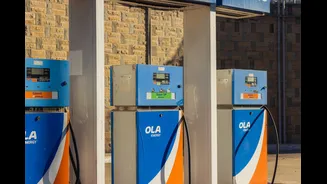
Switching from petrol and diesel cars to electric vehicles (EVs) feels like an obvious win for the climate. With zero tailpipe emissions, they promise cleaner city air and a significant reduction in our carbon footprint. In India, the push for EVs is accelerating,
driven by government incentives and rising environmental awareness. However, the story of an EV begins long before it hits the road. The production of their high-capacity batteries requires mining minerals like lithium and cobalt, often in environmentally disruptive ways. Furthermore, the true green credentials of an EV depend heavily on the electricity used to charge it. If the grid is powered by coal, as much of India's is, then we are effectively shifting emissions from the tailpipe to the power plant. High upfront costs, range anxiety, and a still-developing charging infrastructure are also significant hurdles to widespread adoption, particularly in developing economies.
Not as Simple as Planting a Tree
The idea of mass afforestation is powerful and intuitive: trees absorb carbon dioxide, so planting more of them should help cool the planet. While true, large-scale tree planting schemes are fraught with complexity. A major challenge is that it takes decades for a newly planted seedling to absorb the same amount of carbon as a mature tree, meaning the benefits are long-term. In the short term, preventing deforestation remains a more effective strategy. Furthermore, the type of forest matters. Planting vast monocultures can harm biodiversity and be less resilient than native, diverse ecosystems. There are also significant risks related to land and water use. Afforestation can compete with agriculture for land, potentially impacting food security, or drastically increase local water demand, creating scarcity in drier regions.
The Double-Edged Sword of Renewables
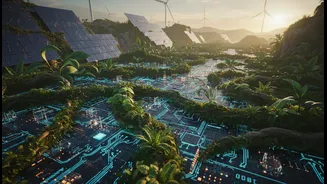
Solar and wind power are the cornerstones of the global energy transition. Their costs have fallen dramatically, and they produce electricity without emitting greenhouse gases. Yet, these technologies have their own environmental footprint. Large-scale solar and wind farms require vast amounts of land, sometimes ten times more per unit of power than a fossil fuel plant. This can lead to habitat loss and conflicts over land use, displacing agriculture or natural ecosystems. The biggest hidden cost, however, is intermittency. Solar panels only work when the sun shines, and turbines only spin when the wind blows. To ensure a stable supply, grids need massive investment in backup power—often from natural gas plants—or expensive battery storage, which adds significantly to the overall cost. The manufacturing of panels and turbines also consumes energy and raw materials, adding to their lifecycle impact.
The Allure of Carbon Capture
What if we could capture carbon emissions at the source before they enter the atmosphere? This is the promise of Carbon Capture and Storage (CCS) technology. It's often touted as a way for heavy industries, like cement and steel, to decarbonise. However, the reality is that CCS has a history of under-delivering on its promises. The technology is extremely expensive, energy-intensive, and faces significant technical and regulatory hurdles. There are also concerns about the long-term safety and permanence of storing CO2 underground. Critics argue that CCS can be a way for the fossil fuel industry to delay a genuine transition to renewable energy, and many current projects are linked to enhanced oil recovery, a process that extracts more oil from the ground. Public perception remains a major challenge, with skepticism about its effectiveness and safety.