



What Are the Orionids?
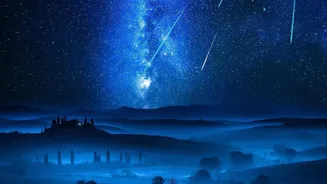
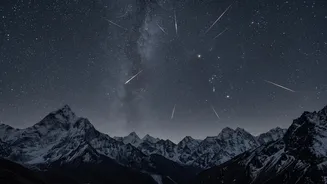
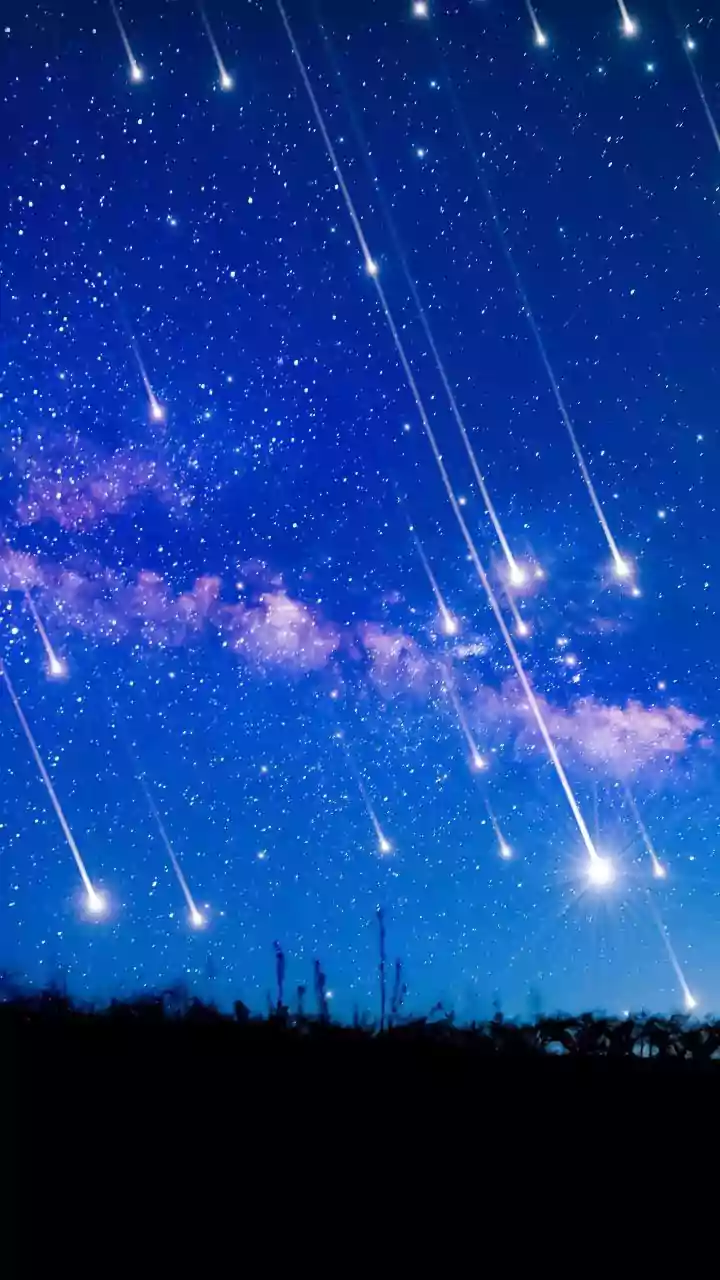
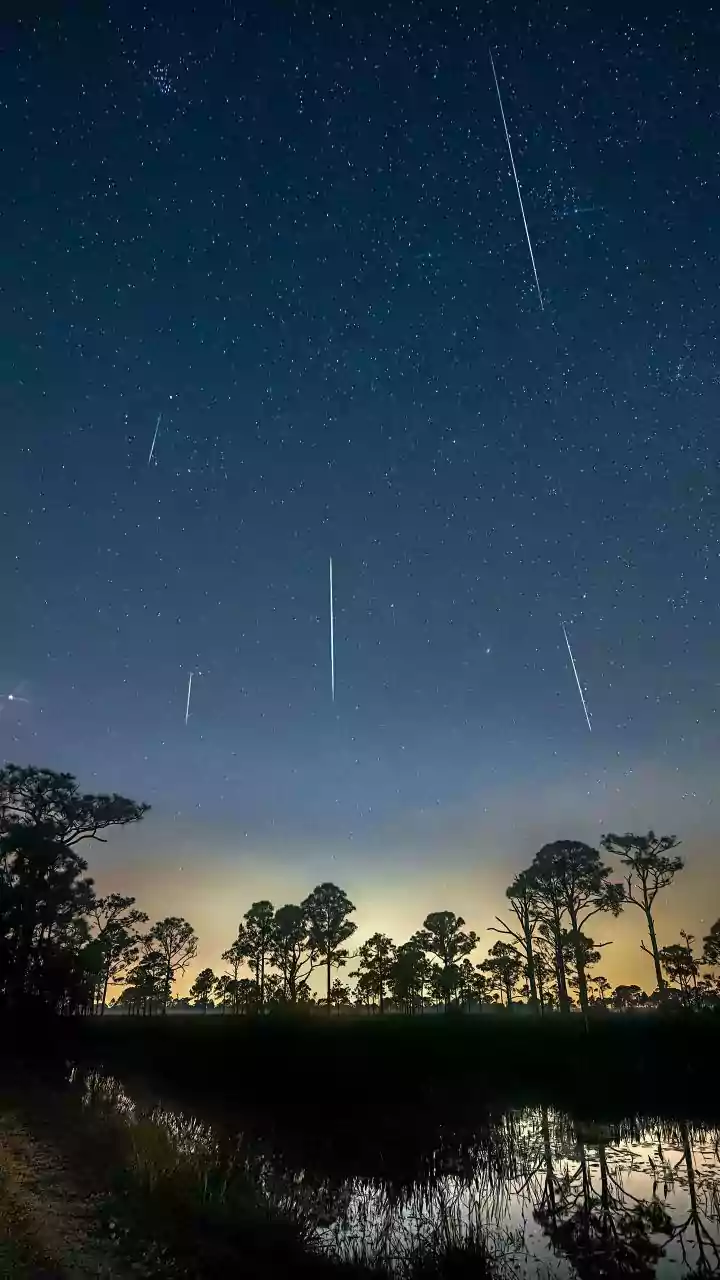
The Orionid meteor shower is an annual event that occurs when our planet travels through the stream of debris left behind by the famous Comet 1P/Halley. These tiny particles, often no bigger than a grain of sand, burn up upon entering Earth's atmosphere
at incredible speeds of around 66 kilometres per second. This results in fast, bright streaks of light that we call meteors, or 'shooting stars'. The shower is named the Orionids because the meteors appear to radiate from a point in the constellation Orion, the Hunter. While they can be seen across the sky, their paths trace back to this celestial landmark. The shower is active from early October to early November, but its intensity builds to a specific peak.
Best Dates and Times to Watch in 2026
For viewers in India and across the Northern Hemisphere, the Orionid meteor shower is predicted to peak on the night of October 21-22, 2026. The best viewing window will be in the pre-dawn hours of October 22. However, there is a significant challenge this year: a bright waxing gibbous moon will be present for much of the night. The Moon will be about 77-80% illuminated, and its glare will wash out fainter meteors. All is not lost, though. The Moon is expected to set around 3 a.m. local time. This creates a prime viewing window between moonset and the start of dawn, roughly from 3 a.m. until just before 5 a.m. During this dark period, you can expect to see about 15 to 20 meteors per hour from a truly dark location.
Finding Your Perfect Dark-Sky Spot
The single most important factor for a successful meteor shower viewing is getting away from city lights. Light pollution from urban centres can reduce the number of visible meteors from dozens to just a handful, or even zero. To truly experience the shower, you need to find a location with a Bortle Scale rating of 4 or lower (the scale runs from 1 for a perfect sky to 9 for an inner-city sky). For those in North India, the high-altitude deserts of Ladakh and Spiti Valley offer some of the darkest skies in the world. Other excellent options include remote areas in the Thar Desert near Jaisalmer, the salt flats of the Rann of Kutch, or hill stations like Narkanda in Himachal Pradesh. In South India, consider heading to the coffee plantations of Coorg, parts of the Western Ghats, or designated spots near observatories like the one in Kodaikanal. Even travelling an hour or two outside a major city like Delhi, Mumbai, or Bengaluru can make a significant difference.
What to Pack for a Night Under the Stars
You don’t need a telescope or binoculars to watch a meteor shower; your eyes are the best tools for the job. The key is comfort and preparedness. Pack a reclining chair or a thick blanket to lie on, as looking straight up for long periods can strain your neck. Even in October, nights can get chilly, especially in remote or high-altitude locations, so bring warm layers of clothing, a cap, and gloves. A thermos with a warm drink and some snacks can also make the experience more pleasant. One crucial item is a torch, but make sure it has a red light setting. Red light helps preserve your night vision, which is essential for spotting faint meteors. Avoid using your bright phone screen, as it will reset your eyes' adaptation to the dark.
Tips for the Best Viewing Experience
Once you have found your dark spot, the most important virtue is patience. It takes about 20 to 30 minutes for your eyes to fully adapt to the darkness, so arrive early and avoid looking at any bright lights. Lie back, relax, and look up at the widest possible expanse of the sky. While the meteors radiate from Orion, they can appear anywhere. Don't just stare at the radiant point; a broader view will increase your chances of catching the long, impressive streaks. The show happens in spurts, so you might see several meteors in a few minutes and then none for a while. Resist the urge to check your phone. Just enjoy the quiet, the stars, and the occasional flash of ancient comet dust burning up in the atmosphere.