
Gravity Is Still Very Much in Charge
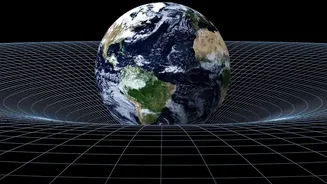
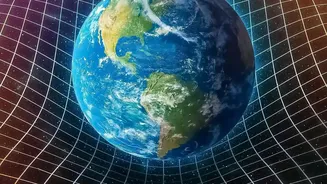
The single biggest misconception about spaceflight is that once you leave the atmosphere, you've escaped Earth's gravity. In reality, gravity is everywhere. It’s what keeps the Moon locked in orbit around the Earth and the Earth revolving around the Sun.
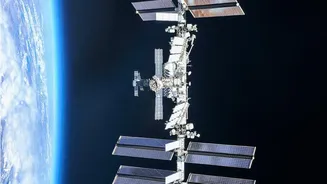
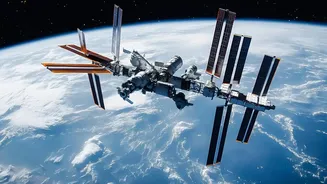
At the altitude of the ISS, around 250 miles up, Earth's gravitational pull is still about 90% as strong as it is on the surface. If you could build a ladder that high and step off, you would fall straight back down. So if gravity is still pulling on the astronauts, why are they floating?
The Secret Is Constant Freefall
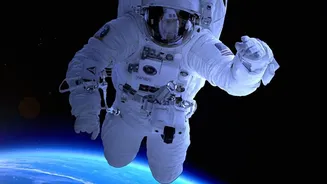
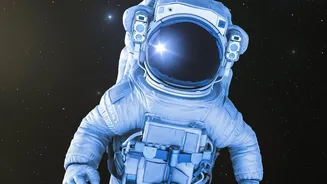
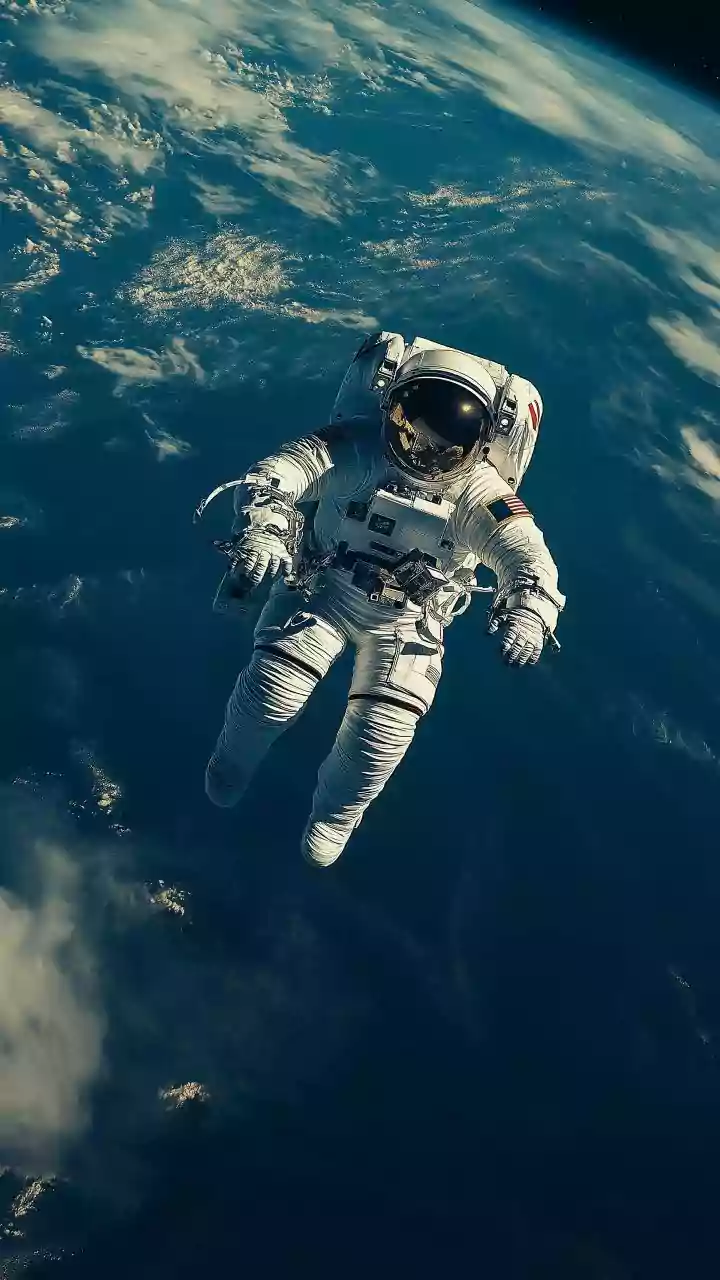
The answer lies in a concept that’s both simple and mind-bending: astronauts are floating because they are in a constant state of freefall. Imagine you’re in an elevator and the cables snap. For the few terrifying seconds before it hits the bottom, you and everything else in the elevator car would float. You're all falling at the same rate. This is precisely what’s happening on the ISS, but on a much grander and more elegant scale. The station, its crew, and every piece of equipment are all falling toward Earth together. Because everything is falling at the exact same speed, objects and people appear to be weightless relative to the station itself.
Falling With Style... Sideways
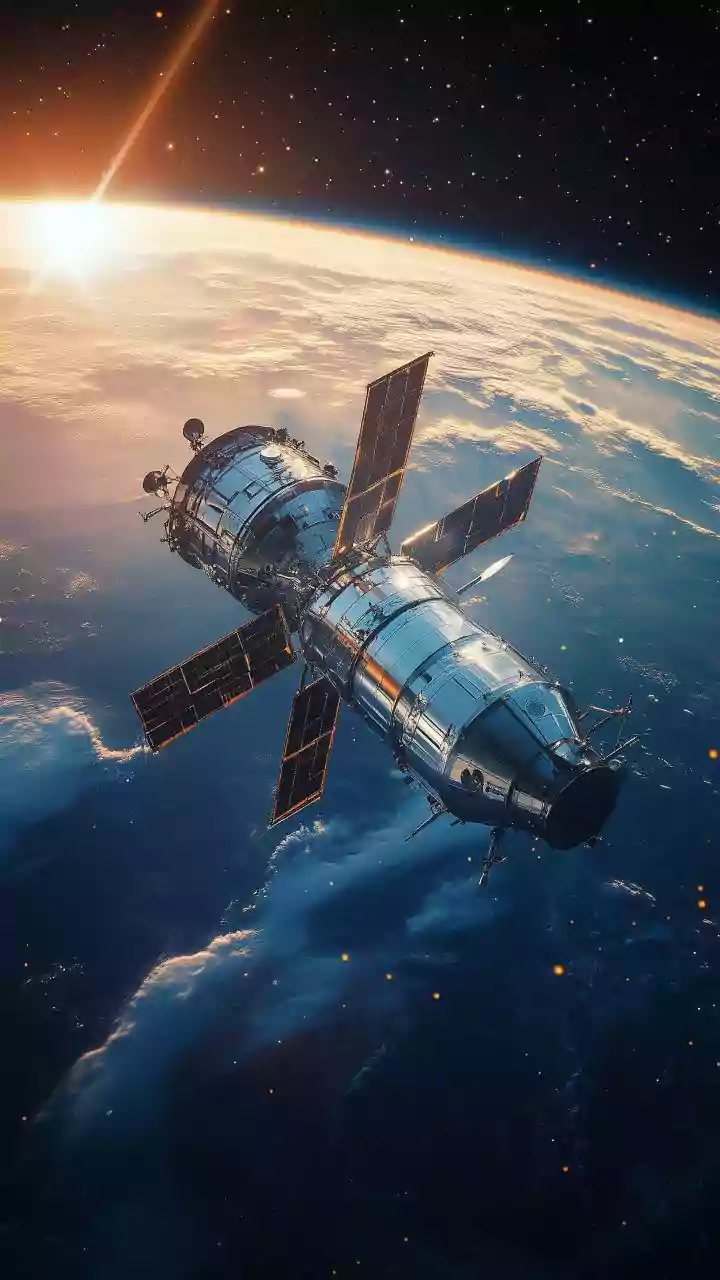
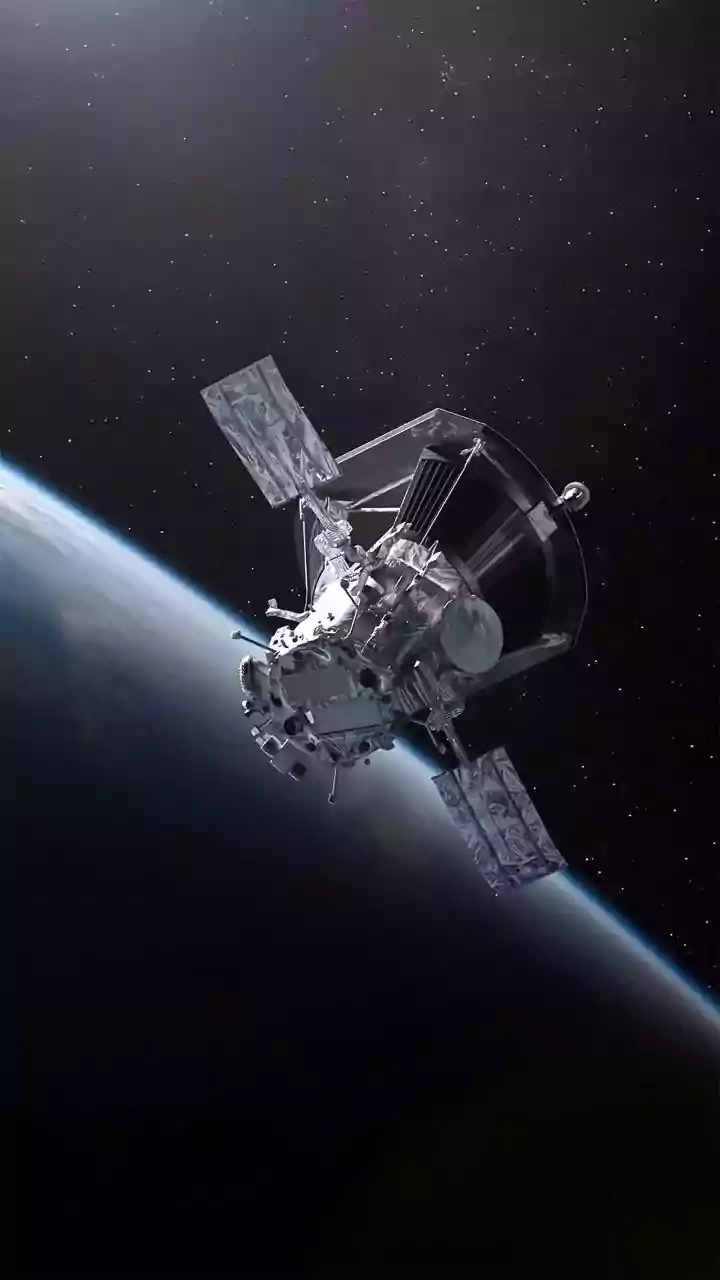
So why doesn't the ISS crash into the planet? This is where speed comes in. The station is traveling horizontally at an incredible 17,500 miles per hour. At that velocity, as gravity pulls the station downward, the Earth's surface curves away beneath it at the exact same rate. The station is perpetually 'missing' the ground. It's not flying; it’s falling in a continuous circle around the planet. This state of being pulled by gravity but moving fast enough to remain at the same altitude is what we call being in orbit.
So, What Makes It 'Micro' Gravity?
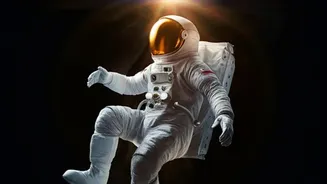
If 'zero gravity' is wrong, 'microgravity' is the scientifically accurate term. The 'micro' prefix acknowledges that while the feeling of weightlessness is nearly perfect, it isn't absolute. There are tiny, almost imperceptible forces at play that prevent a true 'zero-g' environment. These include minuscule amounts of atmospheric drag on the station, vibrations from machinery, and even the movement of the astronauts themselves pushing off walls. These factors create residual accelerations that are about one-millionth of Earth's surface gravity, hence the name 'microgravity'.