




The Triple-Layer Waterproofing Strategy
Keeping your gear dry is the single most important rule for a monsoon trek. Relying on just a backpack rain cover is a common mistake; sustained rain will eventually seep through. A smarter, lighter approach involves three layers of protection. First,
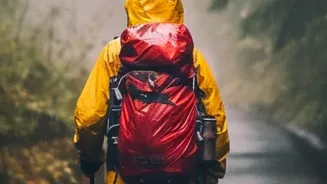
line the inside of your backpack with a large, heavy-duty plastic bag or a dedicated pack liner. This is your primary barrier. Second, use smaller dry bags or even simple zip-lock pouches to compartmentalise essentials like electronics, spare clothes, and your first-aid kit. This not only keeps them organised but also provides a second waterproof layer. Finally, use a snug-fitting rain cover for your backpack as the third and final shield against the downpour. This system ensures that even if the outer layers are breached, your critical gear remains bone-dry.
Clothing: Think Quick-Dry, Not Cotton
When it comes to clothing, one word is key: synthetic. Cotton is a liability in the monsoon; it absorbs moisture, takes forever to dry, and leaves you feeling cold and damp. Instead, build a layering system with lightweight, quick-drying fabrics. Your base layer should be a synthetic t-shirt that wicks moisture away from your skin. Over this, a light fleece can be added for warmth, as temperatures can drop, especially at higher altitudes or in the evening. The final and most crucial layer is your rain protection. A good quality waterproof and breathable rain jacket or a poncho is non-negotiable. A poncho offers the advantage of covering you and your daypack, though a jacket provides a better fit in windy conditions. Pack two sets of trekking pants, also made of quick-dry material.
Footwear: Grip is Everything
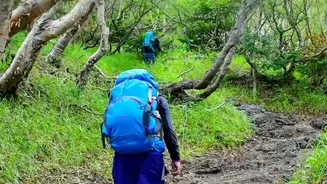
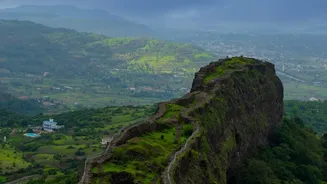
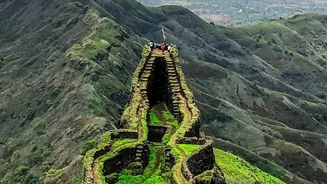
The trails in the Western Ghats become notoriously slippery during the monsoon, with wet rocks and muddy slopes. Your choice of footwear is therefore critical for safety and comfort. Look for trekking shoes with a soft rubber sole and deep lugs that provide excellent grip on wet surfaces. While fully waterproof shoes seem appealing, they can fill with water during stream crossings and take a long time to dry; a better option for many is a water-resistant or quick-drying shoe paired with multiple pairs of moisture-wicking socks. Carrying 3-4 pairs of synthetic or wool socks allows you to have a dry pair to change into, which is a huge morale booster and helps prevent blisters. Ankle support is another important feature to protect against twists on uneven terrain.
The Lightweight Essentials Kit
Beyond clothing, a few carefully chosen items can make a huge difference. A headlamp or torch is essential, as treks can be delayed and you might find yourself hiking in low light. A power bank is crucial for keeping your phone and navigation tools charged, as remote areas often lack electricity. Your first-aid kit should be tailored for the monsoon, including antiseptics, band-aids, pain relief spray, and personal medications. Crucially, add items to deal with leeches, which are common in the region; carrying a small container of salt, a sanitiser spray, or anti-leech socks is highly recommended. Also include an anti-fungal powder to prevent skin issues caused by prolonged dampness.
Smart Extras That Earn Their Place
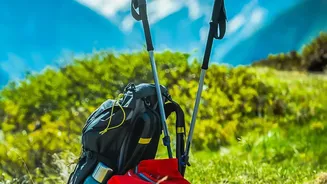
Packing light means every item must justify its weight. A trekking pole provides an extra point of contact, significantly improving stability on slippery descents and stream crossings. High-energy snacks like trail mix, energy bars, and dates are lightweight and provide a quick fuel boost on the trail. Staying hydrated is vital, so carry at least a one-litre water bottle and consider bringing water purification tablets or a portable filter. Lastly, pack a few extra plastic bags or ziplocks; they weigh almost nothing and are invaluable for segregating wet and dirty clothes or protecting small items.