







A New Astronaut Class: The Student Entrepreneur
The profile of a space pioneer in India is changing. Once synonymous with seasoned scientists at the Indian Space Research Organisation (ISRO), the face of space innovation now often belongs to university students. A quiet revolution is taking place across
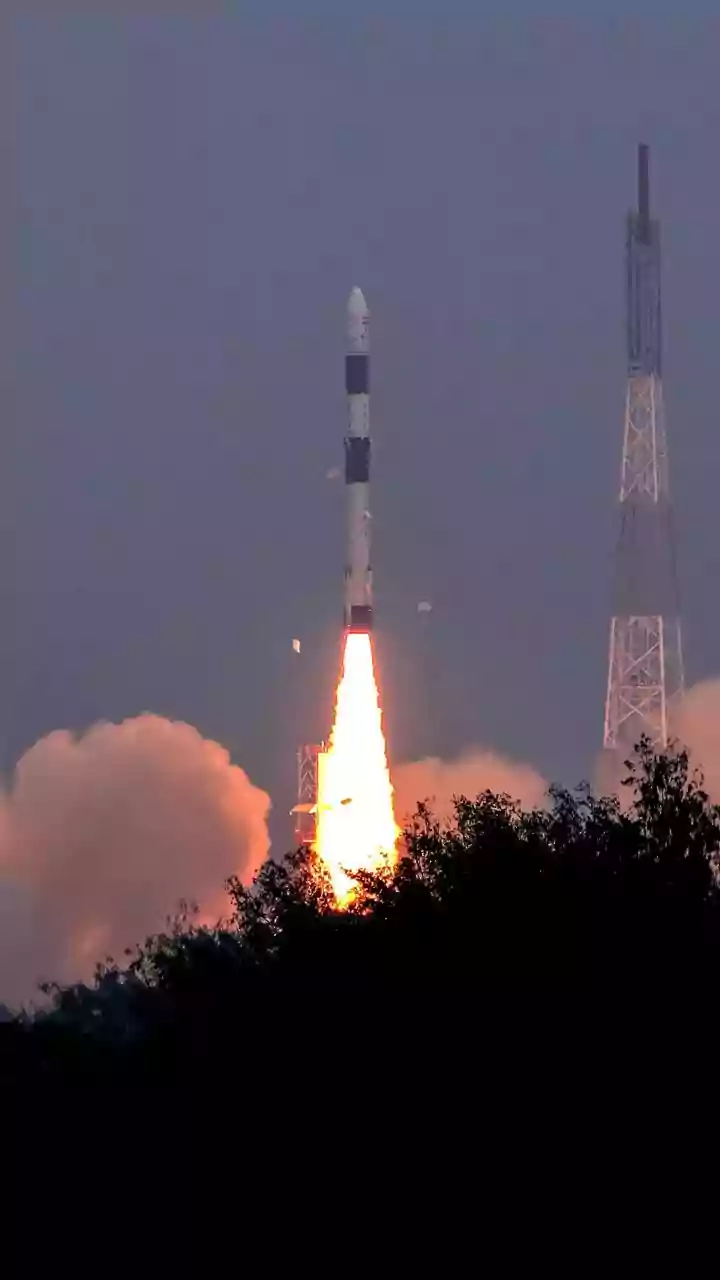
the country’s top engineering institutes, where ambitious students are not just dreaming of space but are actively building the tools to conquer it. This new wave of entrepreneurs is leveraging a more liberalised space sector to transform classroom projects into viable commercial enterprises. The government's decision in 2020 to open the space sector to private players created a fertile ground for this growth. Agencies like the Indian National Space Promotion and Authorisation Centre (IN-SPACe) are now actively nurturing this ecosystem, providing mentorship, authorising student-designed satellites, and creating a framework for the next generation of space leaders.
From Campus Labs to Launchpads
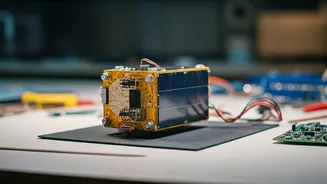
This trend is not merely theoretical; it's visible on launchpads. Startups born from student initiatives are making significant strides. Pixxel, founded by Awais Ahmed and Kshitij Khandelwal while they were still students at BITS Pilani, is a prime example. What started from identifying a gap in satellite data has grown into a leading space-tech company building a constellation of hyperspectral imaging satellites to monitor the planet's health. Similarly, GalaxEye, which spun out of IIT Madras, was founded by alumni who had worked on a SpaceX Hyperloop competition. They are developing a satellite with a unique sensor that can see through clouds, a technology with massive implications for defence, agriculture and disaster management in a country like India. Then there is Dhruva Space, whose founder built his first satellite as a 19-year-old university student. The Hyderabad-based company has become a full-stack space engineering solutions provider, launching its own satellites and satellite deployers with ISRO's support.
The Fuel Behind the Rocket Boost
Several factors are converging to propel this student-led surge. The primary driver is policy. The Indian government's strategic shift to privatise and liberalise the space domain has been a game-changer, signalling to young entrepreneurs that space is open for business. This has been complemented by ISRO's active encouragement and support, which has a long history of launching student-built satellites like STUDSAT and ANUSAT, providing invaluable hands-on experience. Furthermore, the cost of building and launching smaller satellites, or CubeSats, has decreased dramatically, making it more feasible for startups to get off the ground. This combination of government backing, institutional support, and falling technology costs has created a perfect launch window for student innovation to flourish and attract investment.
Navigating the Path Forward
While the rise of student-led space startups is exciting, the path ahead is not without its challenges. These young companies face the universal hurdles of any startup: securing long-term funding, scaling operations, and navigating a complex regulatory landscape. The jump from a successful prototype to a profitable, large-scale constellation of satellites is immense and requires significant capital and business acumen. Competition, both domestic and international, is fierce. However, the energy is palpable. Educational initiatives like the Atal Tinkering Lab space challenges are fostering an interest in space from an early age, creating a robust talent pipeline for the future. These new companies are not just launching satellites; they are launching a new vision for India's place in the global space economy.