






The Rise of 'Tech Neck'
In our digitally driven lives, spending hours hunched over a computer is the norm for many professionals and students across India. This prolonged screen time has given rise to a common ailment known as 'tech neck' or 'text neck'. This condition develops
from maintaining a forward head posture for extended periods. The human head weighs approximately 5 to 6 kilograms. However, when you lean your head forward, the force on your cervical spine increases significantly. This added pressure forces the muscles in your neck, shoulders, and upper back to work overtime to support your head's weight, leading to muscle strain, stiffness, and pain. Over time, this poor posture can contribute to chronic pain, headaches, reduced mobility, and even place stress on the spinal discs.
Why Stretching at Your Desk Works
The solution to this pervasive problem doesn't require expensive equipment or significant time away from your work. Simple, targeted chair stretches offer a powerful antidote. When you stretch, you counteract the negative effects of a static posture. Stretching increases blood flow and oxygen to your muscles, which helps to reduce fatigue and alleviate tension. Regular stretching improves flexibility and range of motion, helping to realign your posture and prevent the muscle imbalances that cause pain. Taking short, active breaks to stretch can also serve as a mental reset, reducing stress, improving focus, and boosting your overall productivity throughout the day. By incorporating a few key movements into your daily routine, you can actively manage and prevent neck strain.
The Gentle Neck Tilt
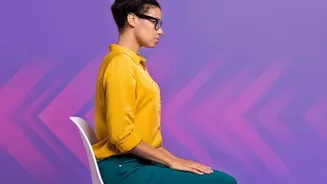
This is one of the most effective stretches to relieve tension along the sides of your neck. Sit up straight in your chair with your feet flat on the floor and your shoulders relaxed. Slowly tilt your head to the right, as if trying to touch your right ear to your right shoulder. Stop when you feel a gentle stretch along the left side of your neck. It's important not to force the movement or lift your shoulder to meet your ear. For a deeper stretch, you can place your right hand on top of your head and apply very light pressure. Hold the position for 15 to 30 seconds, breathing deeply. Return your head to the centre and repeat on the left side.
The Corrective Chin Tuck
The chin tuck is a crucial exercise for counteracting forward head posture and strengthening the deep muscles at the front of your neck that support proper alignment. While sitting tall, look straight ahead and gently draw your head and chin backward, as if creating a 'double chin'. You should feel a stretch at the back of your neck. Be careful not to tilt your head up or down; the movement is a straight glide backward. Hold this retracted position for about 5 seconds, then relax. Aim to repeat this movement 10 times. Performing this exercise consistently throughout the day helps retrain your muscles to maintain a healthier neck posture.
Shoulder Blade Squeeze
Neck pain is often connected to tension in the shoulders and upper back. The shoulder blade squeeze, or scapular retraction, helps to open up the chest and relieve the strain on the upper back muscles that become overworked from hunching forward. While seated or standing, sit tall and relax your shoulders away from your ears. Gently squeeze your shoulder blades together as if you are trying to hold a pencil between them. You should feel the muscles in your upper back engage. Hold the squeeze for 5 to 10 seconds, and then release. Repeat this 10 to 15 times for a quick and effective reset for your upper body posture.
The Upper Back and Shoulder Stretch
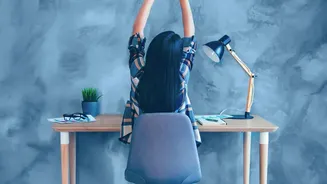
This stretch targets the upper back and the area between your shoulder blades, which often becomes tight. While seated, extend your arms straight out in front of you at shoulder height. Interlace your fingers and turn your palms away from you. As you reach forward, gently round your upper back and drop your chin toward your chest. You should feel a good stretch between your shoulder blades. Hold this position for 20 to 30 seconds, remembering to breathe. This movement provides a great counterbalance to the hunched posture we adopt while typing or looking at a screen.
Creating a Healthy Habit
For these stretches to be effective, consistency is key. Aim to perform a few of them every 30 to 60 minutes throughout your workday. Set a timer on your phone or computer as a reminder to take a movement break. Listen to your body and never stretch to the point of sharp pain; you should only feel a gentle pull or tension. Combine these stretches with other healthy habits, such as ensuring your monitor is at eye level, your chair provides good back support, and you get up to walk around periodically. These small adjustments can make a world of difference in preventing neck strain.