




The Simple Science of Cooking Protein
At a molecular level, proteins are long chains of amino acids twisted into complex, folded shapes. When you apply heat, these proteins undergo a process called denaturation, where their intricate structures unravel. This initial step is crucial for digestibility,
as it exposes the protein chains to your body's digestive enzymes. The next stage is coagulation, where these unraveled proteins link together, forming a network that traps water and solidifies the food. This is what turns a liquid egg firm and opaque or makes a soft piece of fish flaky. The goal in the kitchen is to manage this process carefully. Proper denaturation makes protein easier for our bodies to use, but over-coagulation—caused by too much heat or time—can squeeze out moisture and make proteins pack together too tightly, resulting in a tough, dry, and less digestible meal.
High Heat vs. Low and Slow
The two primary approaches to cooking protein involve either high, direct heat or low, slow heat. High-heat methods like grilling, searing, or frying are fast and create a delicious browned crust through the Maillard reaction. This is ideal for tender cuts of meat that don't have much tough connective tissue, such as a filet mignon, a pork loin, or a skinless chicken breast. The quick cooking time helps preserve a juicy interior. On the other hand, low and slow methods like braising, stewing, or smoking are perfect for tougher cuts of meat rich in collagen, like brisket, pork shoulder, or chuck roast. The prolonged, gentle heat gives the tough collagen time to break down into rich, unctuous gelatin, resulting in fall-off-the-bone tenderness that high heat can't achieve. These gentler, moist-heat methods can also preserve more nutrients and avoid the formation of potentially harmful compounds that can be created by excessive charring.
Mastering Meat and Poultry
Matching the cut to the cooking method is key. For tender, fatty steaks like a ribeye, a quick, high-heat sear in a pan or on the grill creates a perfect crust while keeping the inside tender and juicy. Leaner proteins like chicken breast or pork loin do best with more moderate heat to ensure they cook through without drying out. For tougher cuts loaded with connective tissue, embrace the slow cooker, a braise, or a low-temperature smoker. Methods like stewing and braising use liquid to gently cook the meat over hours, ensuring it becomes succulent and easy to shred. Remember to let meat rest after cooking; this allows the juices to redistribute throughout the muscle, significantly improving its final texture and moisture.
The Delicate Touch for Fish and Eggs
Unlike tough cuts of meat, fish and eggs have delicate proteins that coagulate very quickly. This is why they can go from perfectly cooked to rubbery and dry in a matter of moments. Gentle, controlled cooking methods are often best. Poaching is an excellent technique, submerging the food in a flavorful liquid kept just below a simmer. It preserves moisture and results in a very tender texture, ideal for both eggs and delicate fish fillets. Similarly, steaming provides gentle, moist heat that cooks these proteins evenly without the need for added fats. For fish, techniques like baking or pan-searing on a moderate heat work well, but timing is critical to avoid overcooking.
Getting Plant-Based Proteins Right
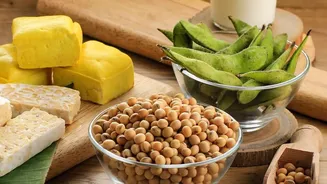
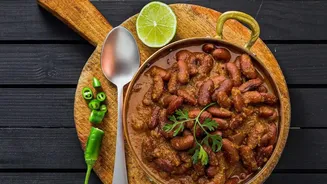
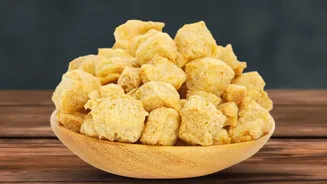
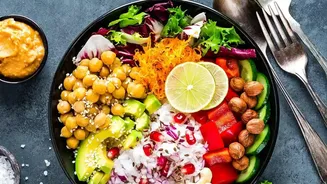
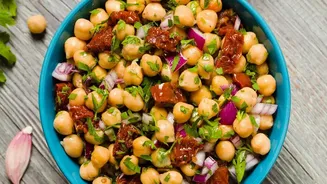
Plant-based proteins found in legumes like beans and lentils also benefit greatly from proper cooking. These foods contain anti-nutrients and complex structures that can hinder digestion if not prepared correctly. Thorough cooking is essential to break down these compounds and make the proteins more accessible to your body. Methods like boiling and simmering until they are very tender are crucial. With lentils, the cooking time can significantly affect their final digestibility. For tofu, pressing out excess water before cooking is a game-changer. This allows it to absorb marinades better and achieve a crispier, firmer texture when pan-fried, baked, or grilled, transforming it from spongy to satisfying.