





A Hunger for Health and Transparency
A primary driver of this shift is a growing consciousness around health and wellness. Indian consumers are increasingly reading labels and seeking out products with clean, natural, and recognizable ingredients. This trend, accelerated in the post-pandemic
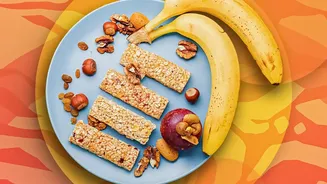
era, has created a significant demand for foods free from artificial additives and preservatives. Small brands are excelling by offering products that cater to specific health needs, such as gut health, high-protein options, and functional benefits like immunity support or stress relief. Many consumers, particularly in urban areas, now actively seek brands that provide detailed nutritional information and ingredient transparency, showing a willingness to pay more for products that align with their wellness goals.
The Irresistible Pull of Authenticity
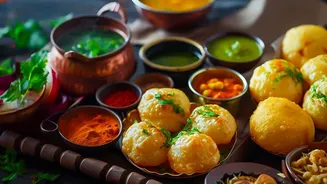
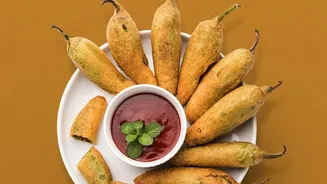
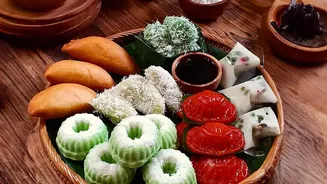
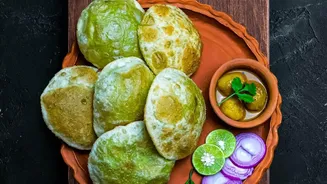
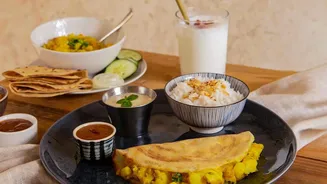
In a market once dominated by mass-produced flavours, there is a renewed craving for authenticity. Consumers are drawn to products that celebrate India's rich culinary diversity, from hyperlocal ingredients like Konkan kokum to regional recipes passed down through generations. Smaller brands are tapping into this desire by offering niche products that large corporations often overlook. Whether it's a specific regional namkeen, a traditional beverage, or a spice blend with a story of its origin, these brands build a strong connection by offering a taste of home and heritage. This focus on regional specificity and provenance makes their products feel more personal and trustworthy.
The Digital Advantage for Small Players
The local food boom would be impossible without technology. E-commerce platforms, social media, and quick-commerce apps have dramatically lowered the barrier to entry, allowing small brands to bypass traditional retail gatekeepers. The direct-to-consumer (D2C) model enables these companies to build a direct relationship with their customers, gather feedback, and create a loyal community. Digital marketing, often through targeted social media campaigns and influencer collaborations, allows them to tell their brand story in a compelling and cost-effective way. This digital agility gives them a competitive edge, helping them reach discerning consumers who are actively looking for new and interesting products online.
More Than a Product: A Story to Share
For many of these smaller brands, the product is only part of the offering. They are selling a story, a mission, and a set of values. Consumers are not just buying a snack or a drink; they are buying into a brand that champions sustainability, ethical sourcing, or a founder's passion. This narrative-driven approach creates a powerful emotional connection that fosters loyalty beyond just taste or price. By being transparent about their manufacturing process, sourcing, and even their challenges, these brands build a level of trust that mass-market players struggle to replicate. This community-focused engagement makes customers feel like stakeholders in the brand's journey.
Value, Convenience, and Indulgence
While health and authenticity are key, smaller brands also deliver on the core tenets of value and convenience. By eliminating intermediaries through a D2C model, many can offer premium products at more competitive prices. They are also innovating in formats that fit modern lifestyles, such as single-serve portions, ready-to-cook meals, and functional beverages that serve a specific purpose. At the same time, they are redefining indulgence, moving away from simple excess towards multi-layered sensory experiences with unique textures and flavour profiles. This combination of accessible pricing, convenience, and elevated experience makes their offerings highly attractive to a broad range of Indian diners.