






The New Corner Office
The post-pandemic era has cemented remote and hybrid work as a lasting feature of India's corporate culture. By 2026, a significant portion of the workforce, particularly in the IT sector, continues to operate outside traditional office walls. While this
offers unprecedented flexibility, it has also led to new challenges. For millions living in the high-density urban centres of Mumbai, Delhi, and Bengaluru, the 'work from home' reality often means being confined to small living spaces, battling isolation, and struggling to maintain a healthy work-life boundary. This urban claustrophobia, combined with the 'always-on' nature of remote jobs, has created a widespread need for a 'third place'—a location that is neither home nor office, where one can work, think, and decompress. For many, the answer is just a short walk away.
Nature's Productivity Boost
The idea that green spaces are good for us is not new, but its application to the modern workday is gaining fresh relevance. Scientific studies have consistently shown that spending time in nature can significantly reduce stress, lower blood pressure, and combat mental fatigue. For a remote worker staring at a screen all day, these benefits are invaluable. Exposure to natural environments is linked to improved cognitive function, enhanced creativity, and a greater ability to focus. The simple act of looking up from a laptop to watch leaves rustle in the wind or hear birdsong can help restore attention and prevent the burnout that plagues so many professionals today. Parks offer a dynamic yet calming sensory environment, providing a much-needed antidote to the sterile, static setting of a home office.
From Cubbon Park to Lodhi Garden
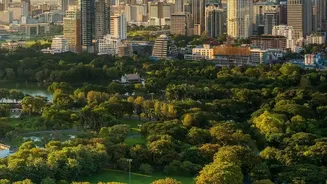
Across India, this trend is taking root organically. In Bengaluru, tech professionals are often seen with their laptops at Cubbon Park or Lalbagh, finding a shaded bench to answer emails or take calls. Mumbai's Marine Drive promenade and the green patches of Five Gardens in Dadar see a similar influx of people looking to combine their work with fresh air. In Delhi, the sprawling lawns of Lodhi Garden and Sunder Nursery have become popular spots for those seeking a tranquil workspace. These parks are no longer just for morning walks or evening recreation; they are evolving into informal, open-air co-working spaces. This shift is driven by a simple desire for a better working environment—one that is free, accessible, and conducive to well-being.
Bridging the Practicality Gap
Despite the clear benefits, using a public park as an office is not without its hurdles. The most significant challenges are infrastructural. Most Indian parks are not designed for work; they lack reliable Wi-Fi, power outlets for charging devices, and comfortable, ergonomic seating. Glare on screens from the sun, unpredictable weather, and concerns about device security are also practical deterrents. While mobile data has improved drastically, it can be inconsistent, making video calls and large file transfers difficult. For parks to truly function as effective third spaces, a new approach to urban planning is needed—one that considers the needs of the modern, flexible workforce. Simple additions like solar-powered charging stations, designated quiet zones, and partnerships with local cafes for better amenities could transform these spaces.
The Future of Work is Green
Forward-thinking urban planners and city governments are beginning to recognise this potential. Initiatives under programmes like the Smart Cities Mission and the Nurturing Neighbourhoods Challenge are already focusing on reimagining public spaces to be more people-centric. The goal is to create multi-functional areas that serve the diverse needs of the community, including those of remote workers. By integrating 'work-friendly' features into park designs, cities can support the well-being of their citizens and foster a more sustainable work culture. This could involve developing a hierarchy of green spaces, from small neighbourhood parks with basic amenities to larger city-level parks equipped as full-fledged outdoor work hubs. This vision treats green spaces not as a luxury, but as essential public infrastructure for a healthier, more productive urban future.