





The Golden Guardian: Turmeric (Haldi)
Turmeric is a cornerstone of Indian cooking, but its role becomes even more vital during the monsoon. The rainy season often brings a spike in infections, and turmeric’s active compound, curcumin, is celebrated for its powerful anti-inflammatory, antioxidant,
and antibacterial properties. This golden spice helps modulate the immune system, activating key immune cells that act as the body's first line of defence. For generations, a glass of warm 'haldi doodh' has been the go-to remedy for fighting off seasonal sniffles. For better absorption, nutritionists recommend pairing turmeric with a pinch of black pepper and a fat source like ghee, a combination that can increase the body's ability to use curcumin by up to 2000%.
The Warming Duo: Ginger and Garlic
The familiar, pungent aroma of a ginger-garlic paste is the starting point for countless Indian dishes, and for good reason. During the monsoon, when digestion can become sluggish due to humidity, these two ingredients are indispensable. Ginger is a warming spice known to stimulate digestive juices and soothe the stomach. It's also a powerful ally against colds and flu, often brewed into a comforting tea with honey and lemon to soothe sore throats. Garlic, its trusted partner, is hailed as a natural antibacterial powerhouse. It contains allicin, a compound that boosts the immune response of white blood cells, providing a strong shield against the waterborne and airborne infections that are common during this season.
The Protective Spices: Pepper, Cloves, and Cinnamon
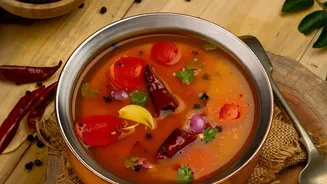
Beyond the essentials, a host of other spices play a protective role. Black pepper (kali mirch) does more than just add heat; it contains piperine, which aids digestion and helps the body absorb nutrients from other foods, most notably turmeric. Its anti-inflammatory properties can also help relieve cold and cough symptoms. Cloves (laung) are packed with antiseptic and germicidal properties, helping the body fight infections. Cinnamon (dalchini) is another warming spice loaded with antioxidants and known for its antimicrobial effects, making it a valuable addition to monsoon teas and 'kadhas'. Together, these spices form a formidable defence against seasonal ailments.
The Light Eaters: Seasonal Gourds
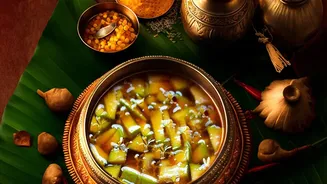
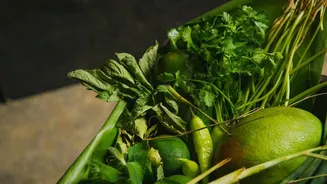
Ayurveda advises eating light, easily digestible foods during the monsoon to avoid taxing a weakened digestive system. This is where seasonal vegetables like bottle gourd (lauki), ridge gourd (turai), and bitter gourd (karela) come in. These vegetables, which grow above ground and have a high water content, are not only easy on the stomach but also hydrating. They are low in calories and rich in fibre, vitamins, and minerals. Simple, home-cooked meals like 'lauki ki sabzi' or a comforting bowl of 'khichdi' made with rice, moong dal, and vegetables are considered ideal monsoon foods.
The Liquid Shield: Herbal Teas and Kadhas
One of the most enduring traditions for monsoon wellness is the practice of drinking warm herbal concoctions. A 'kadha', or Ayurvedic decoction, often combines several of the ingredients mentioned above—like tulsi, ginger, black pepper, and cinnamon—simmered in water. These drinks are designed to boost immunity, soothe the respiratory system, and provide warmth. Tulsi, revered as the “Queen of Herbs,” is particularly prized during this season for its antimicrobial and antiviral properties that help the body combat infections and reduce stress. A simple cup of ginger tea or tulsi tea can provide both comfort and a powerful dose of wellness on a rainy day.