




The Unprecedented Demand for Cool Air
India's need for cooling is growing at an explosive rate. Driven by rising incomes, rapid urbanisation, and increasingly frequent and intense heatwaves, millions of households are purchasing air conditioners (ACs) for the first time. In the summer of 2024
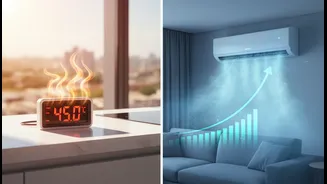
alone, a record 14 million AC units were sold. Cooling appliances like ACs, coolers, and fans now account for a staggering 40% of all household electricity consumption. This surge is reshaping the country's energy landscape, with space cooling contributing significantly to peak electricity demand, which has hit all-time highs in recent years. While only a fraction of Indian homes currently own an AC, projections suggest that the country could have over a billion units in operation by 2050, highlighting the immense scale of this growing dependency.
The Vicious Cycle of Cooling
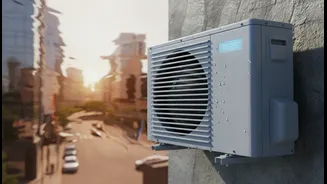
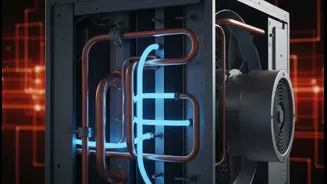
The irony of our primary cooling method is that it makes the broader environment hotter. This phenomenon is often called the 'cooling trap' or a 'vicious cycle'. Air conditioners work by pumping heat from inside a room to the outside. In dense urban areas, the combined heat exhausted from thousands of AC units contributes to the Urban Heat Island (UHI) effect. This effect causes cities to be significantly warmer than surrounding rural areas, as concrete and asphalt absorb and retain heat. Delhi's core urban areas, for example, cool down much less at night than nearby regions, trapping heat around the clock. This increased ambient temperature then drives the need for even more air conditioning, creating a self-perpetuating loop.
The Hidden Costs of Comfort
Beyond the environmental impact, the reliance on ACs brings significant household challenges. The financial burden is the most immediate. An AC uses dramatically more power than a fan or an air cooler, leading to substantial electricity bills that can strain family budgets. Health is another major concern. Prolonged exposure to air conditioning in poorly ventilated rooms can lead to dry eyes, skin irritation, and respiratory issues. Dirty AC filters can circulate dust, mould, and allergens, triggering allergies and worsening conditions like asthma. Moreover, constantly moving between extreme heat outdoors and cold indoor environments can cause thermal stress on the body. There's also the risk of losing our natural adaptation to heat, a crucial resilience factor in a warming world.
Breaking Out of the Trap
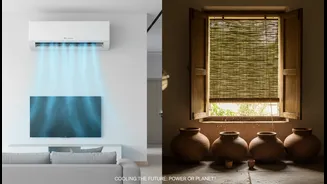
Recognising this challenge, the government launched the India Cooling Action Plan (ICAP) in 2019. The plan provides a 20-year roadmap for sustainable cooling, with ambitious goals to reduce cooling demand by 20-25% and cooling energy requirements by 25-40% by 2037-38. A key focus is promoting 'passive cooling' strategies. These are design-based solutions that reduce the need for mechanical cooling in the first place. This includes better building orientation, improved ventilation, reflective 'cool roofs', and traditional architectural elements like jalis (latticework screens) that provide shade while allowing airflow. Innovations inspired by traditional methods, such as using terracotta for evaporative cooling, are also gaining traction as low-energy alternatives.
Smarter Ways to Stay Cool
While large-scale changes are crucial, individuals can also adopt smarter cooling habits. The Bureau of Energy Efficiency now recommends a default AC temperature setting of 24°C, a simple step that significantly reduces energy use. Using a ceiling fan in conjunction with an AC allows you to feel cooler at a higher thermostat setting, improving air circulation without overworking the compressor. Regular maintenance, especially cleaning the air filters, is vital for both efficiency and health. When purchasing a new appliance, opting for a model with a high star rating from the Bureau of Energy Efficiency ensures better energy performance. These small, conscious choices, when adopted collectively, can help ease the strain on both our wallets and the power grid, paving the way for a more sustainable approach to comfort.