






An Unappetising Discovery
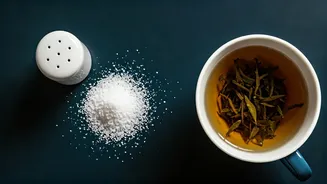
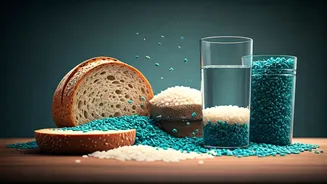
Recent research in India has sent a ripple of concern through the country, confirming the presence of microplastics in two of our most consumed items: salt and tea. One study led by the environmental research organisation Toxics Link investigated various
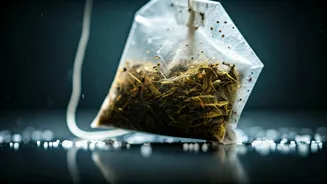
popular salt and sugar brands, finding that 100% of the samples contained these tiny plastic particles. Iodised table salt was found to have the highest concentration, while organic rock salt had the lowest. The contamination isn't limited to salt. Other studies have highlighted the issue with tea, especially when it comes in plastic-based tea bags. Research revealed that a single plastic tea bag steeped in hot water can release billions of microplastic and even smaller nanoplastic particles into your cup, levels thousands of times higher than those found in other foods.
What Exactly Are We Consuming?
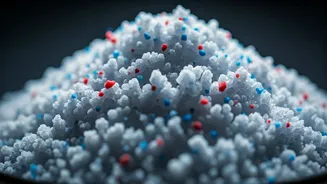
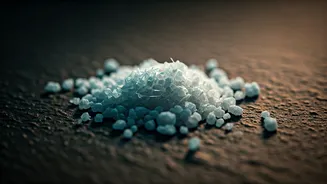
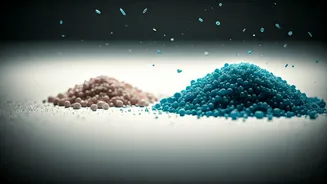
Microplastics are tiny plastic fragments less than five millimetres in size, making them practically invisible to the naked eye. They come from two main sources. Primary microplastics are intentionally manufactured small, like the microbeads once common in cosmetics. Secondary microplastics, however, are the bigger problem. They form when larger plastic items—like bags, bottles, and fishing nets—break down over time due to sun, wind, and water exposure. These particles are now found everywhere, from the deepest oceans to the highest mountains, and have comprehensively entered our food chain. The recent Indian studies found various forms in our food, including fibres, films, and fragments, composed of common polymers like polyethylene and polypropylene.
From Our Coasts to Our Kitchens
How do these particles end up in a sealed packet of salt or a tea bag? The journey is a direct consequence of widespread plastic pollution. A national survey conducted by the National Centre for Coastal Research (NCCR) identified riverine inputs and abandoned fishing gear as major sources of microplastic pollution along India's coasts. When seawater, heavily contaminated with these particles, is evaporated to produce sea salt, the microplastics are left behind and get mixed into the final product. Similarly, plastic waste contaminates soil and water sources used in agriculture, potentially leading to plastic particles being absorbed by tea plants. The plastic used in packaging and the material of tea bags themselves also contribute significantly to the contamination, especially when exposed to heat.
The Unsettling Health Questions
The discovery of microplastics in our food logically leads to one major question: are they harmful? The scientific community is racing to find a definitive answer. Currently, the World Health Organization notes that evidence on direct health impacts is limited, but concern is growing. Studies in animals and human cells have linked microplastic exposure to a range of issues, including inflammation, immune system disruption, and cell damage. These particles can act like tiny Trojan horses, carrying harmful chemicals like pesticides and heavy metals into our bodies, where they can be released. They have been found in various human organs, blood, and even the placenta, prompting urgent calls for more research into their long-term effects, which are suspected to include impacts on reproductive health and increased cancer risk.
What Can We Do About It?
While eliminating microplastic exposure completely is nearly impossible given their prevalence, consumers can take steps to reduce their intake. Opting for loose-leaf tea instead of tea bags (especially plastic ones) is a significant step. When it comes to salt, studies suggest that rock salt tends to have lower concentrations of microplastics compared to sea salt. Beyond specific product choices, broader habits can make a difference. Reducing reliance on single-use plastics, such as bottled water and takeout containers, is crucial. Storing food in glass or stainless steel instead of plastic, and never microwaving food in plastic containers, can also limit leaching. Ultimately, the most effective solution lies in tackling plastic pollution at its source through better waste management and a global reduction in plastic production.