



Understanding Your Gut's Best Friends
First, let's clear up a common confusion: prebiotics are different from probiotics. While probiotics are the live 'good' bacteria found in fermented foods like curd, prebiotics are the food for these beneficial microbes. They are specific plant fibres
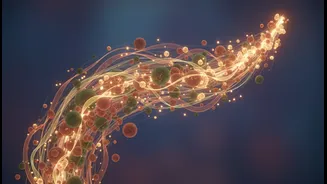
that your body cannot digest. Instead, they travel to your lower digestive tract, where they are fermented by healthy bacteria. This process produces short-chain fatty acids, which nourish your gut lining, improve mineral absorption, help regulate blood sugar, and reduce inflammation. In simple terms, if probiotics are the friendly workers in your gut, prebiotics are the nutritious meals that keep them strong and active.
Why Variety is the Spice of Gut Life
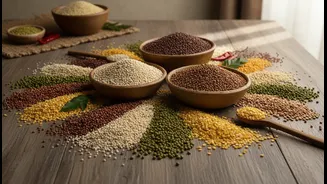
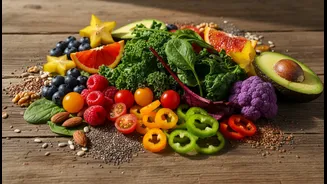
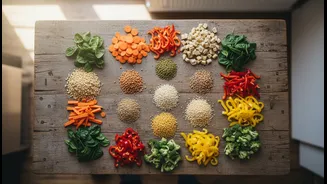
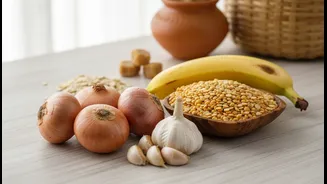
Just as a balanced diet is good for you, a diverse diet is crucial for your gut microbiome. Different types of prebiotic fibres feed different families of beneficial bacteria. For example, the galactooligosaccharides (GOS) found in legumes like chana and rajma nourish certain bacteria, while the inulin in onions and garlic feeds others. Whole grains like oats and barley are rich in beta-glucan, another distinct prebiotic fibre. When you eat a wide array of these foods, you support a more diverse and resilient gut ecosystem. This diversity is associated with better stability and the ability to withstand disruptions, preventing an imbalance where harmful bacteria could proliferate. Simply sticking to one or two 'superfoods' is less effective than consuming a broad portfolio of plant-based ingredients.
The Power Trio: Dals, Grains, and Vegetables
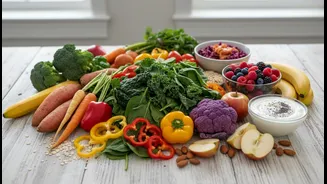
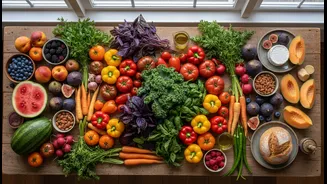
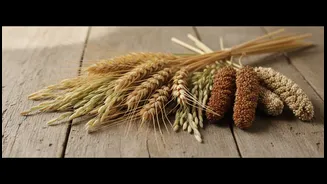
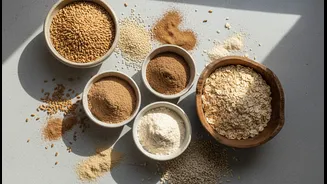
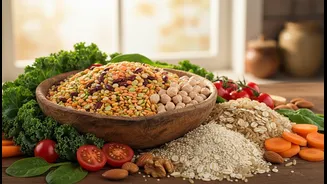
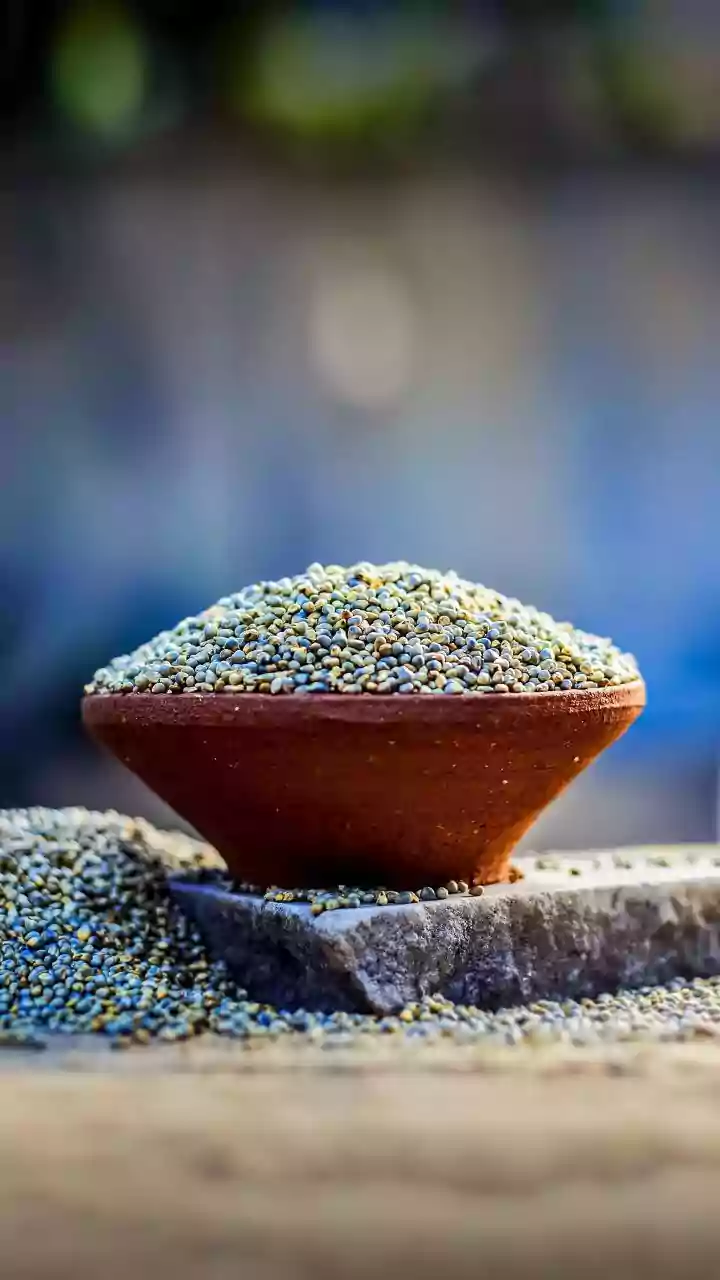
The traditional Indian thali, with its combination of dal, grains, and sabzi, is an inherently gut-friendly model. Dals and legumes, the cornerstone of Indian protein intake, are packed with prebiotic fibres like GOS and resistant starch. Lentils (masoor), chickpeas (chana), and kidney beans (rajma) are all excellent choices. Traditional whole grains like jowar, bajra, and ragi are rich in fibres and resistant starch that refined grains lack. Millets, in particular, are prebiotic powerhouses that support microbial diversity. Finally, many common vegetables are superb prebiotic sources. Onions and garlic are rich in inulin, one of the most well-studied prebiotics. Others like peas, leafy greens, and even underripe bananas contribute valuable resistant starch and other fibres.
Putting It All Together: Your Prebiotic Plate
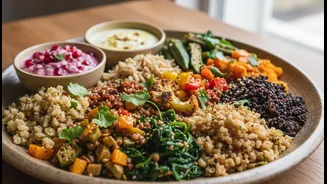
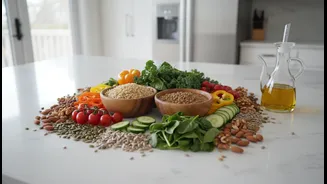
Creating prebiotic-rich meals is simpler than it sounds. It's about combining these three food groups thoughtfully. Think of a simple mixed-dal tadka, using a blend of toor, moong, and masoor, served with brown rice or millet roti. A hearty khichdi made with bajra and moong dal, loaded with vegetables like carrots, peas, and onions, is another fantastic option. When making sabzi, be generous with onions and garlic as their prebiotic content remains beneficial even after cooking. Sprouted moong salad with finely chopped raw onion offers a potent prebiotic punch. The goal is to move beyond a single-grain, single-dal meal and embrace combinations. Even a simple change like adding a colourful vegetable kachumber (salad) with raw onion to your regular lunch introduces more fibre diversity.
Simple Swaps for a Healthier Gut
You don't need a complete diet overhaul to increase your prebiotic intake. Start with small, sustainable changes. Swap polished white rice for traditional grains like kodo millet or foxtail millet a few times a week. Instead of using only one type of dal, buy smaller quantities of three or four different kinds and mix them when cooking. When you make dosa or idli batter, consider adding some ragi flour. Choose whole-grain atta for your rotis. Add flaxseeds (alsi) to your curd or smoothie. Including a side of lentils with a meal can significantly increase its prebiotic content. These simple adjustments, when done consistently, compound over time to foster a healthier and more diverse gut environment, demonstrating that good gut health begins with the everyday foods already in our pantries.