







The One Simple Switch
The single most impactful change you can make to your breakfast isn't about cutting calories, carbs, or fat. It's about prioritising one crucial nutrient: protein. Shifting your morning meal from being carbohydrate-dominant to protein-forward can fundamentally
alter how your body functions for the rest of the day. Forget complex diets or restrictive eating plans. The goal is simple: ensure your breakfast contains a substantial serving of high-quality protein. This isn't about eliminating your favourite poha or upma, but rather rethinking the balance on your plate to make protein the star player.
The Science of Satiety
Why does this one change work so well? It starts with satiety, the feeling of fullness and satisfaction after a meal. Protein is significantly more satiating than carbohydrates or fats. When you eat a protein-rich breakfast, you are more likely to feel full for a longer period. This happens because protein reduces the level of ghrelin, the body's primary hunger hormone. At the same time, it boosts the levels of peptide YY, a hormone that signals fullness to your brain. A breakfast of eggs, Greek yoghurt, or a dal chilla will keep you satisfied for hours, drastically reducing the urge to snack on high-sugar, low-nutrient foods mid-morning.
Ending the Energy Rollercoaster
Many traditional breakfast foods—like toast with jam, sugary cereals, or even a simple paratha—are high in refined carbohydrates. These foods cause a rapid spike in your blood sugar, giving you a quick but fleeting burst of energy. This is inevitably followed by a 'crash' that leaves you feeling tired, irritable, and mentally foggy. Protein, on the other hand, has a minimal effect on blood sugar. When eaten as part of your breakfast, it slows down the absorption of carbohydrates, leading to a much more stable and sustained release of energy. This means no more mid-morning slump, just steady fuel to power you through until lunch.
A Subtle Metabolic Boost
Your body uses energy to digest and process the food you eat. This is known as the thermic effect of food (TEF). Among the three macronutrients, protein has the highest TEF. Your body burns more calories digesting protein than it does digesting fats or carbohydrates. While this won't lead to dramatic weight loss on its own, a consistent, protein-forward diet contributes to a slightly higher metabolic rate over time. Think of it as a small, consistent bonus that supports your overall health and body composition goals. Furthermore, starting your day with adequate protein is crucial for muscle repair and maintenance, which is vital for a healthy metabolism at any age.
Easy Ways to Add Protein
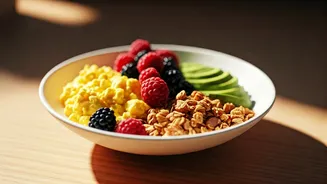
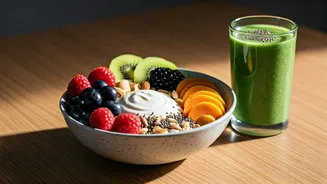
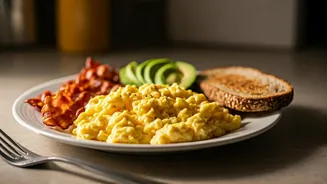
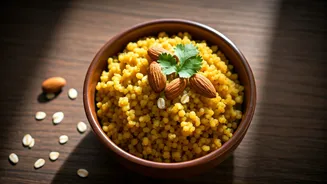
Incorporating this change doesn't have to be complicated or time-consuming. There are plenty of delicious and easy ways to protein-pack your Indian breakfast. * **Vegetarian Options:** Instead of a plain dosa, opt for a besan or moong dal chilla. Add a side of paneer bhurji to your poha or upma. A bowl of thick dahi (Greek yoghurt) topped with nuts and seeds is a fantastic quick option. Even a simple sprout salad with chopped vegetables can be a powerful start. * **Non-Vegetarian Options:** Eggs are the classic protein powerhouse. Whether scrambled, boiled, or as an omelette packed with vegetables, they are a quick and effective choice. Leftover chicken or keema from the previous night can also be easily repurposed into a filling morning meal. * **For Those in a Hurry:** A smoothie can be a great vehicle for protein. Blend fruit with milk or yoghurt and add a scoop of high-quality protein powder, a spoonful of nut butter, or a handful of chia seeds to significantly increase its protein content.