

The dream of floating in space is a powerful one, but for the human body, it’s a biological nightmare. Without Earth’s gravity, our muscles and bones quickly realize they’re out of a job, triggering a rapid process of deconstruction.
The 'Use It or Lose It' Principle on Overdrive
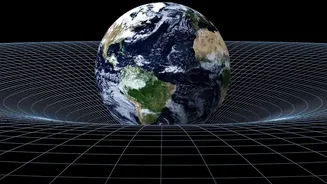
Here on Earth, gravity
is the invisible gym we use every second of every day. Just standing up forces our skeleton and postural muscles to bear our body's weight, a constant, low-level resistance workout. This mechanical loading signals our body to maintain strong bones and toned muscles. In the microgravity environment of space, this signal vanishes. The body, ever efficient, begins to conserve resources by dismantling the now-unnecessary infrastructure. This isn't a malfunction; it's a powerful and swift adaptation to a new environment where super-strong bones and bulky leg muscles are dead weight. The principle of 'use it or lose it' goes into hyperdrive, posing one of the biggest challenges for long-duration spaceflight.
Why Bones Weaken in Zero-G
Your bones are not static, inert structures; they are constantly being remodeled. Specialized cells called osteoblasts build new bone tissue, while cells called osteoclasts break down old bone. On Earth, this process is balanced. In space, the lack of weight-bearing stress throws this system out of whack. The activity of bone-building osteoblasts decreases, while the bone-dissolving osteoclasts continue their work, leading to a net loss of bone mass. Astronauts can lose bone mineral density at a startling rate of 1% to 2% per month in critical areas like the hips and lower spine. This is a rate of decay roughly ten times faster than that of osteoporosis in post-menopausal women on Earth. This 'spaceflight osteopenia' not only increases the risk of fractures upon returning to a gravity environment but also releases calcium into the bloodstream, which can elevate the risk of kidney stones.
Muscle Atrophy's Silent Toll
Muscles face a similar, and even faster, decline. The large, powerful muscles in our legs and back—the ones responsible for posture and locomotion against gravity—are the hardest hit. Without the need to support the body, these muscles begin to atrophy, or waste away. Studies on astronauts have shown muscle mass losses of up to 20% on flights as short as five to 11 days. Over a six-month mission, this could be significantly higher, particularly in the lower body. This loss isn't just about size; it affects strength, endurance, and can even cause issues like the low-back pain frequently reported by astronauts. The body prioritizes shedding the 'expensive' muscle tissue it no longer deems necessary for survival in a weightless world.
The Astronaut's Earth-Bound Workout
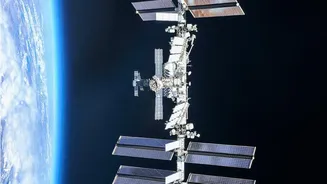
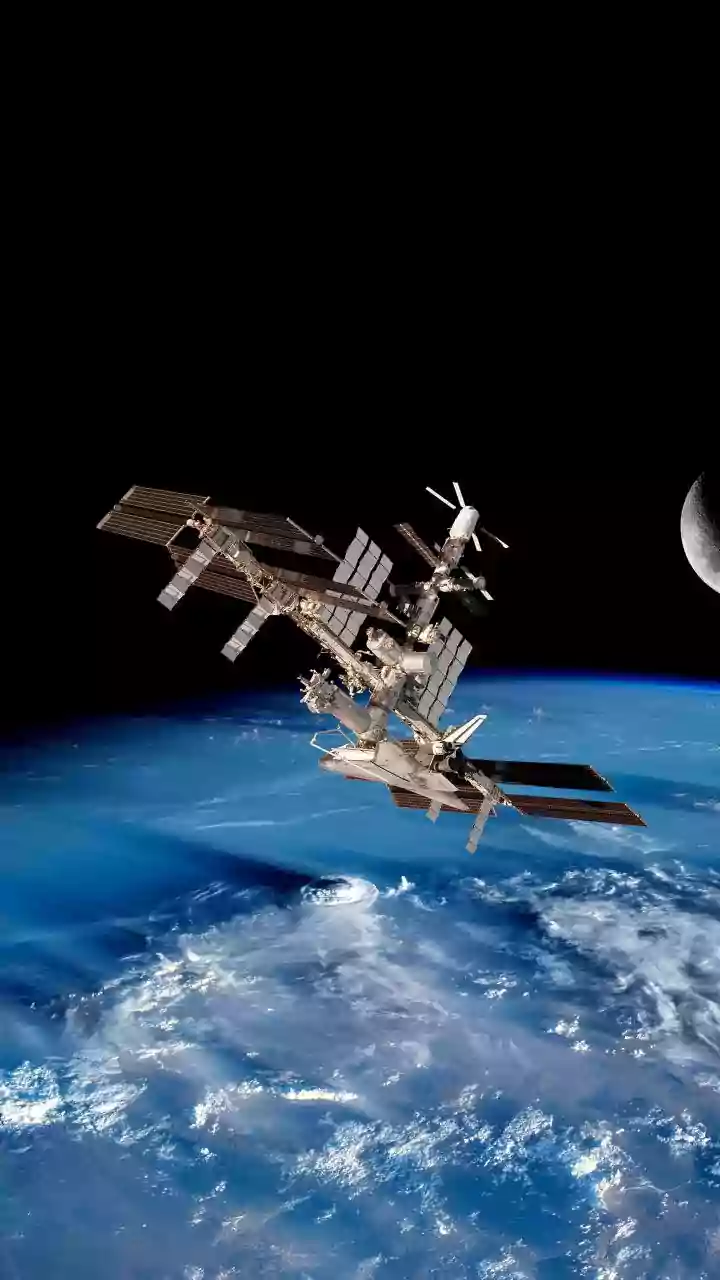
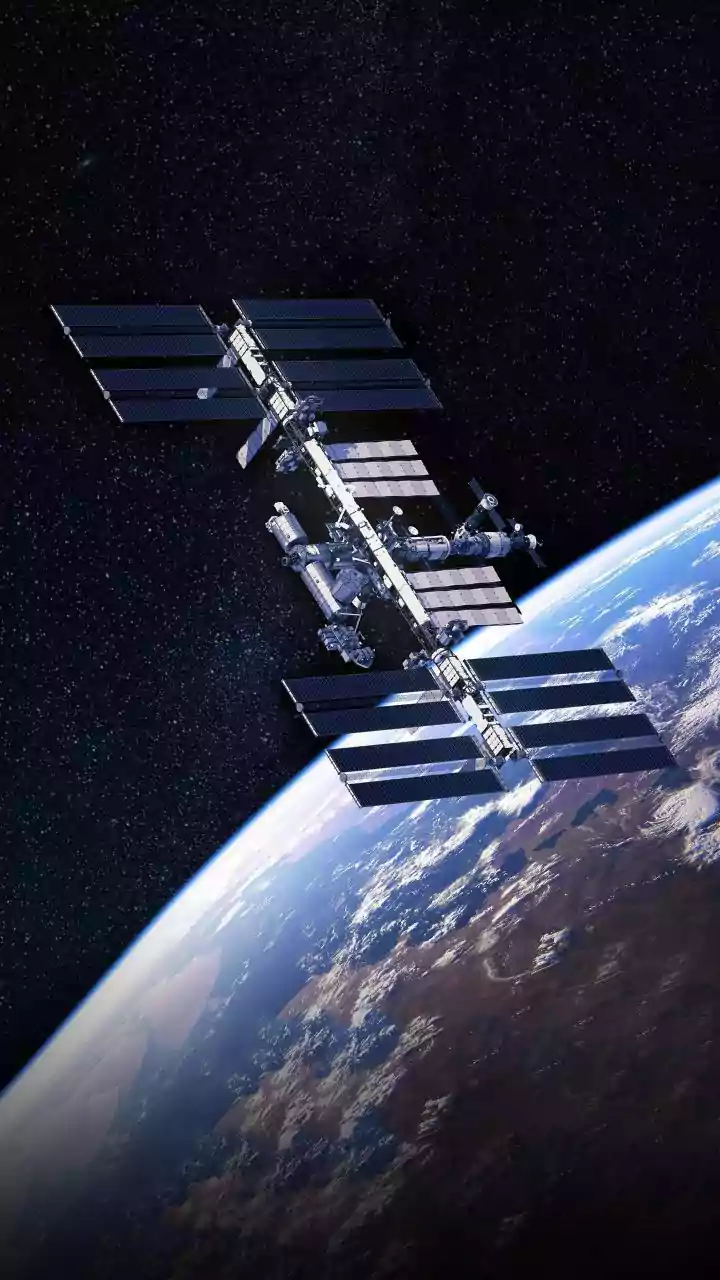
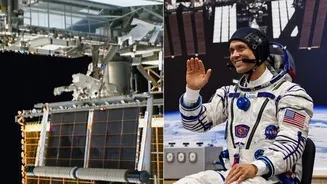
So how do space agencies fight back against this rapid physical decline? With a very intense, highly structured workout regimen. Astronauts aboard the International Space Station (ISS) exercise for about two hours every day. This isn't just a casual jog on a treadmill. NASA has developed sophisticated exercise equipment designed to simulate weight-bearing on Earth. The star of the show is the Advanced Resistive Exercise Device (ARED). This machine uses vacuum cylinders and flywheels to create resistance, allowing astronauts to perform exercises like squats, deadlifts, and bench presses with up to 600 pounds of force. This intense resistance training provides the mechanical load the bones and muscles need to get the signal to stay strong. Combined with cardiovascular workouts on a specialized treadmill and stationary bike, this routine is the single most important countermeasure to keep astronauts healthy for their return to Earth.
The Future of Deep Space Health
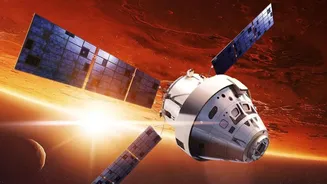
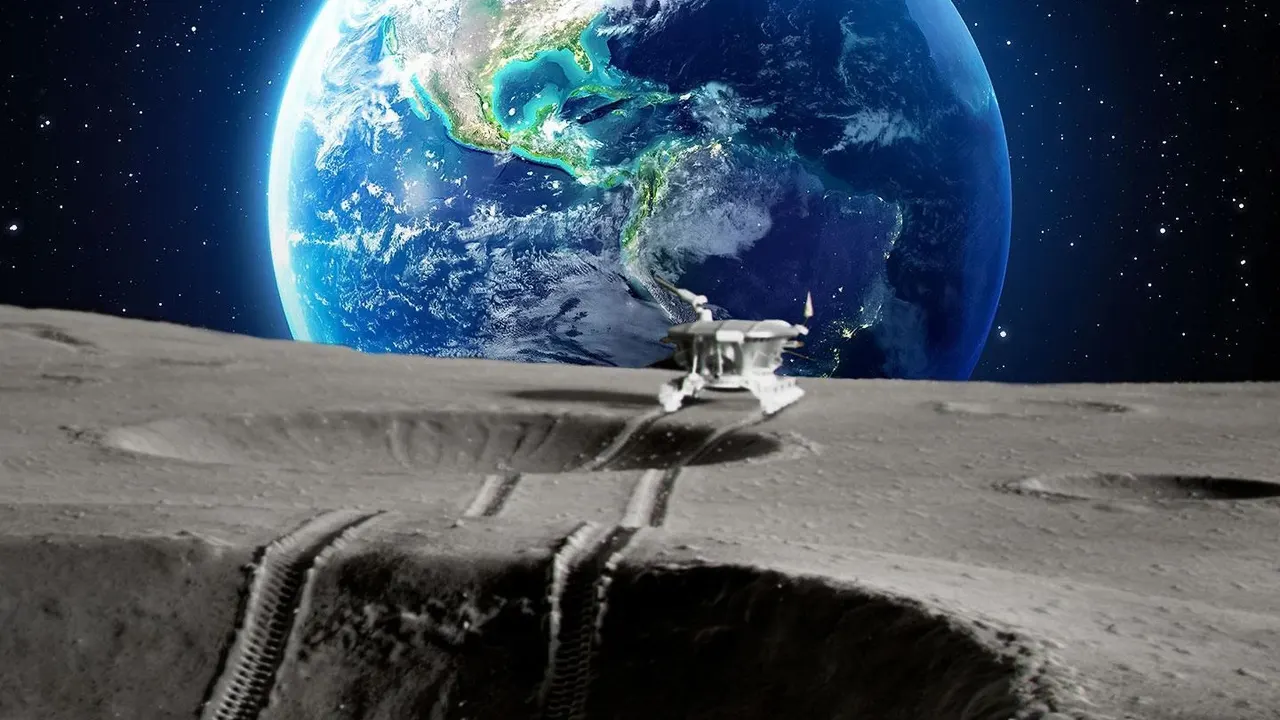
While current exercise protocols are highly effective at mitigating bone and muscle loss, they aren't perfect, and the time commitment is a major operational challenge. As NASA and other agencies plan for long-duration missions to the Moon and Mars, finding more efficient and effective countermeasures is a top priority. Researchers are exploring everything from new exercise modalities and dietary supplements to pharmaceuticals that could help protect the musculoskeletal system. For instance, drugs that block proteins like myostatin, which limits muscle growth, have shown promise in animal studies for preserving both muscle and bone in space. Understanding how to defeat atrophy in space doesn't just help astronauts; the research provides invaluable insights into treating osteoporosis and muscle wasting for millions of people on Earth.