




The Search for Authentic Quiet
In our hyper-connected world, the promise of a peaceful getaway often leads to destinations that have become victims of their own popularity. Crowded viewpoints, long queues, and commercialised experiences can feel like a mere extension of the urban chaos
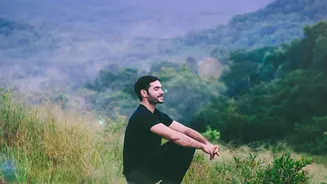
we seek to escape. The real antidote to the 'urban rush' isn't just a change of scenery; it's a change of pace and perspective. This is where the lesser-known trekking trails of the Himalayas come in. Opting for an uncrowded path means trading the noise of tourists for the sound of wind whistling through pine forests and the sight of vast, empty meadows. It offers a chance for genuine solitude, allowing for a deeper connection with nature and oneself. The journey becomes less about ticking off a popular spot and more about the immersive experience of being present in a pristine environment.
Himachal's Hidden Sanctuaries
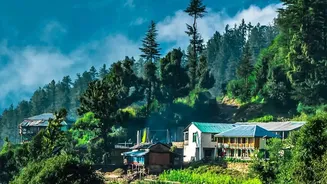
While Himachal Pradesh is famous for bustling towns like Manali and Shimla, its true magic lies in its quiet valleys and secluded trails. The Tirthan Valley, for instance, serves as a gateway to the Great Himalayan National Park and offers gentle riverside walks away from commercial hubs. A walk from a village like Gushaini can lead you along the clear waters of the Tirthan River, through apple orchards and dense forests, offering a glimpse into a simpler way of life. Similarly, the Sainj Valley, often overshadowed by its more famous neighbours, holds serene treasures like the Shangarh Meadow. This vast, green expanse, bordered by deodar trees, remains beautifully preserved and offers unparalleled tranquillity for those willing to venture just slightly off the beaten path. These areas prioritise eco-tourism and offer authentic homestay experiences, allowing for a genuine cultural exchange.
Uttarakhand's Quiet Corners
Often called 'Devbhoomi' or 'Land of the Gods', Uttarakhand is a paradise for trekkers. Beyond the popular pilgrimage circuits and crowded treks like Kedarkantha, there are countless trails that promise solitude. The journey to Mukta Top, starting from the village of Kuflon, is a perfect example. This trail winds through dense forests of oak and rhododendron before opening up to a wide summit with panoramic views of the Gangotri range, offering a true summit experience without the crowds. Another peaceful option is the Panwali Kantha trek, known for its expansive meadows that remain quiet even in peak season. For those seeking even deeper seclusion, treks like the Phulara Ridge offer a unique experience of walking along a high-altitude ridge with uninterrupted Himalayan vistas, far from the more frequented routes.
More Than Just a Digital Detox
The benefits of choosing a quiet trail extend far beyond just escaping crowds. These journeys offer a much-needed digital detox, as limited connectivity in remote areas forces you to disconnect from screens and reconnect with the world around you. The physical act of trekking itself is a form of active meditation; the rhythmic motion of walking and the focus required for navigating the terrain helps clear the mind and reduce stress. Engaging with nature in this immersive way has been shown to lower stress hormones and improve mental clarity. Moreover, these offbeat paths often pass through remote villages, providing opportunities for authentic interaction with local communities and a deeper appreciation for the Himalayan way of life. It’s a holistic experience that heals the body and mind.
How to Plan Your Peaceful Escape
Finding these uncrowded trails requires a bit more research but is incredibly rewarding. Start by looking into regions slightly adjacent to popular hubs. For instance, instead of the main Kullu valley, explore side valleys like Sainj or Tirthan. Instead of the main trail to Kuari Pass, consider the extension to Pangarchulla Peak. Hiring local guides is often the best way to discover truly hidden gems while also contributing directly to the local economy. They possess invaluable knowledge of the terrain, weather, and safe routes. Look for trekking companies that specialise in offbeat or exploratory treks. Remember to practice responsible tourism: leave no trace, respect local customs, and travel in small groups to minimise your impact on these fragile ecosystems. The goal is to enjoy the peace of these pristine places while ensuring they remain that way for others.