



The Enduring Soul of 'Adda'
In Kolkata, a cafe has never been just a place for coffee. It is the crucible of 'adda'—the art of unhurried, freewheeling conversation. For generations, establishments like the Indian Coffee House on College Street have been sanctuaries for intellectuals,
artists, and students. Within their paint-worn walls, over endless cups of tea and coffee, ideas were debated, friendships forged, and creative movements born. This culture of community and intellectual exchange is the bedrock of the city's social fabric, providing a public sphere for dialogue and connection that has defined Kolkata for decades.
A Modern Twist on a Classic Tale
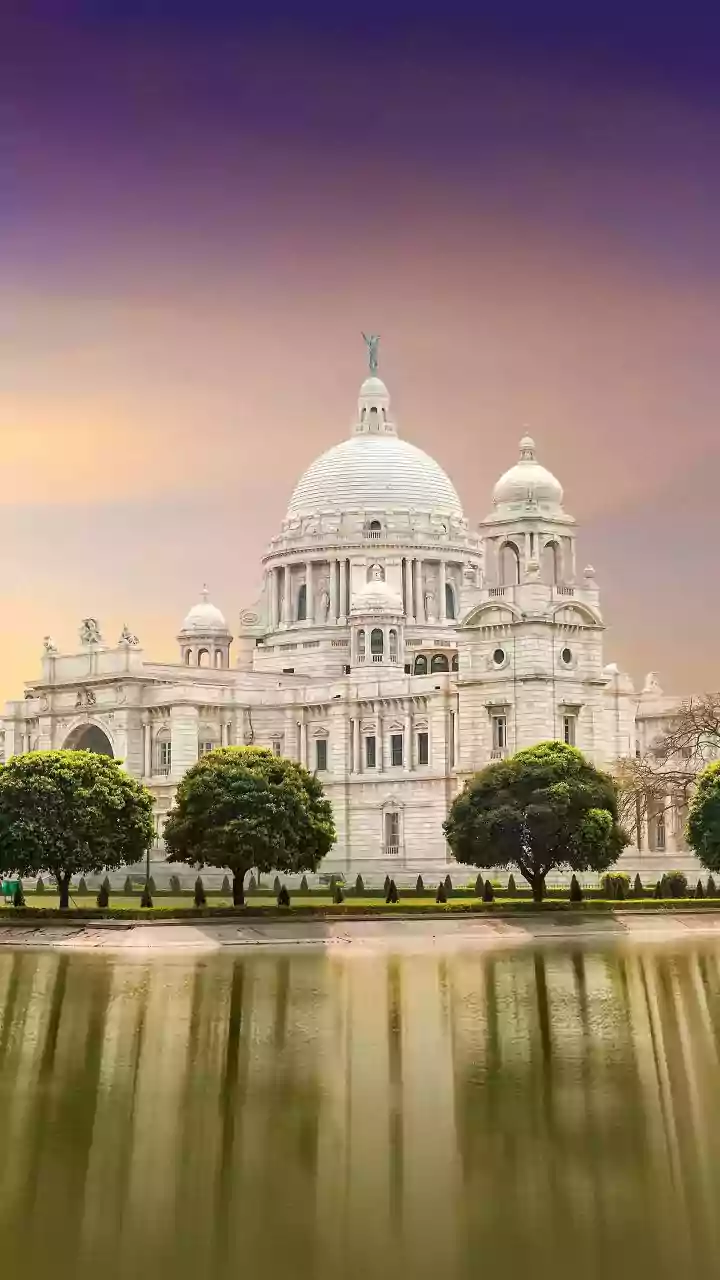
The global shift towards remote and hybrid work has presented these historic institutions with a new challenge and opportunity. As professionals and freelancers seek spaces that offer a change of scenery from home, Kolkata's cafes have begun to evolve. This isn't just about adding Wi-Fi; it's a fundamental reimagining of what a third space can be. The city is now dotted with cafes inside revamped old bungalows and colonial mansions, a trend known as adaptive reuse, where architectural heritage is preserved while being updated for contemporary needs. This fusion allows them to cater to a new clientele without erasing the history that makes them unique.
Old Walls, New Amenities
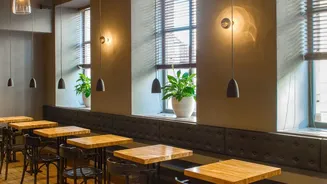
Leading this charge are places that thoughtfully blend past and present. The Red Bari, set in a 90-year-old mansion, now functions as a cafe and coworking space, hosting cultural events that echo the social traditions of old Bengali homes. Similarly, The Bhawanipur House, a restored colonial-era mansion, has become a cultural hub with its open courtyards and curated exhibitions. Even the legendary Flury's, dating back to 1927, now welcomes patrons to log into work meetings amidst its colonial charm. These spaces offer reliable Wi-Fi, ample plug points, and menus suited for longer stays, proving that modern productivity can coexist with historic grandeur.
More Than Just a Desk and Wi-Fi
The appeal of working from these heritage cafes goes far beyond practical amenities. For many, it's about soaking in an atmosphere steeped in history and community. Choosing a vintage cafe over a sterile coworking office is a vote for character and inspiration. Patrons can sit under ornate ceilings, sip coffee surrounded by period details, and feel connected to the city's living history. Cafes like Artsy - Coffee and Culture are designed as creative rooms, understanding that the environment—a mix of art, conversation, and comfort—is as important as the coffee itself for fostering ideas.
Balancing Nostalgia and the New Wave
This revival is not without its complexities. The primary challenge is balancing the quiet focus required for remote work with the boisterous spirit of adda. Furthermore, the cost of maintaining old buildings is high, and the success of these ventures depends on continued public interest. Some critics argue that this trend can sometimes present a stylised version of heritage tailored for a specific demographic. However, by giving these buildings a new, commercially viable purpose, adaptive reuse offers a pragmatic solution to prevent their decay and demolition, ensuring that the stories held within their walls are not forgotten but retold for a new era.