





Embracing the Whole Fruit
In the quest for a more sustainable kitchen, one of the biggest hurdles is food waste. We dutifully compost and try to use up leftovers, but some items seem destined for the bin. Citrus peels are a prime example. After squeezing a lemon for juice or peeling
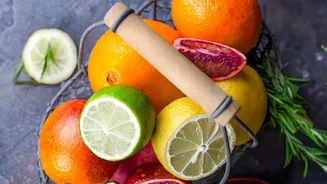
an orange for a snack, the rind is often discarded without a second thought. However, this is a missed opportunity. Zero-waste cooking invites us to see these flavourful, nutrient-packed peels not as rubbish, but as a valuable ingredient. By transforming them into a versatile chutney, you not only divert waste from the landfill but also create a delicious condiment from something you would have otherwise thrown away. It’s a simple, impactful step towards a more resourceful way of cooking.
A Surprising Boost for Your Gut
The claim that citrus rind chutney is “gut-friendly” is rooted in science. Citrus peels are exceptionally rich in a type of soluble fibre called pectin. This fibre acts as a prebiotic, which means it serves as food for the beneficial bacteria living in your digestive system, such as Bifidobacteria and Lactobacillus. When these good bacteria thrive, they help maintain a balanced gut microbiome, which is crucial for overall digestive health. A healthy gut environment can aid in everything from regular bowel movements to reducing inflammation. Furthermore, the peels contain powerful flavonoids and polyphenols that have antioxidant properties. So, while you’re enjoying your tangy chutney, you’re also feeding your gut the fibre it needs to flourish.
Taming the Bitterness
The main challenge when cooking with citrus peels is their natural bitterness, which comes from the white pith (the albedo). Fortunately, this is easy to manage. The key is a process called blanching. By boiling the peels in water and discarding the water, you can remove a significant amount of the bitter compounds, which are water-soluble. For best results, repeat this process two to three times. Simply cover the peels with cold water, bring to a boil for about 10 minutes, then drain. Repeat with fresh water. While some slight bitterness might remain, it adds a pleasant complexity that is beautifully balanced by the sweet and sour elements of the chutney.
A Basic Recipe for Citrus Rind Chutney
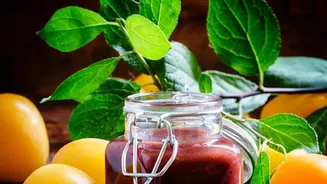
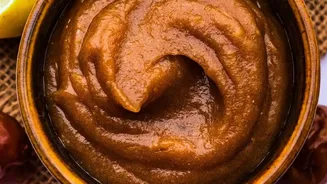
This foundational recipe can be adapted with different spices and citrus fruits. It’s a perfect starting point for your zero-waste culinary adventures.Ingredients: - Peels from 4-5 large oranges or a similar amount of lemons, limes, or grapefruit - 1 cup white vinegar - 1 cup brown or date sugar - 1 medium onion, finely chopped - 1-inch piece of ginger, grated - 2 cloves of garlic, minced - 1 teaspoon of mustard seeds - 1/2 teaspoon turmeric powder - 1/2 teaspoon red chilli flakes (or to taste) - A pinch of salt Method: 1. Prepare the Peels: Wash the citrus fruits thoroughly. Remove the peels and finely chop them. To reduce bitterness, perform the blanching process described above at least twice. 2. Sauté Aromatics: In a heavy-bottomed pan, heat a small amount of neutral oil. Add the mustard seeds and let them splutter. Add the chopped onion, ginger, and garlic, and sauté until the onion becomes soft and translucent. 3. Simmer the Chutney: Add the blanched, chopped citrus peels to the pan along with the vinegar, sugar, turmeric, chilli flakes, and salt. Stir well to combine. 4. Cook Down: Bring the mixture to a boil, then reduce the heat to a low simmer. Let it cook for 45-60 minutes, stirring occasionally, until the peels are tender and the chutney has thickened to a jam-like consistency. 5. Cool and Store: Let the chutney cool completely before transferring it to a clean, sterilised glass jar. It can be stored in the refrigerator for several weeks.
Get Creative with Your Chutney
Once you master the basic recipe, feel free to experiment. You can create a unique flavour profile every time. Try mixing different citrus peels, like orange with a bit of lime for an extra zing. Incorporate other ingredients for texture and taste, such as raisins, chopped dates, or even a tart apple. The spice blend is also highly adaptable. For a warmer flavour, consider adding a cinnamon stick, a few whole cloves, or some star anise to the pot while the chutney simmers. For a more Indian-inspired flavour profile, add a pinch of garam masala or coriander powder. This chutney is incredibly versatile—serve it with cheese and crackers, as a side with grilled meats or fish, or to liven up a simple bowl of dal and rice.